Leave Your Message

7 Best Concrete Block Machines for Global Buyers

Global construction is creating steady demand for reliable masonry production. The United Nations projects that nearly 68% of the world’s population will live in urban areas by 2050. That shift requires faster housing delivery, durable infrastructure, and locally available building materials. Concrete blocks remain practical because they are modular, familiar to contractors, and suitable for many climates.

Industry reports also show why equipment selection deserves closer attention. Grand View Research identifies continued growth in the global concrete blocks and bricks market, supported by urban development and infrastructure investment. The Global Cement and Concrete Association highlights concrete’s essential role in modern construction while stressing the need for lower-carbon production. These findings point toward a simple reality: a Concrete Block Machine is not merely a factory purchase. It affects labor, power consumption, product consistency, curing space, and long-term operating costs.

This guide reviews seven machines for global buyers, including manual, semi-automatic, and fully automatic models. Each option has different strengths. A compact hydraulic machine may suit a small workshop with limited capital. A high-output automatic line may better serve contractors supplying large housing projects. Pay attention to mold changes, vibration quality, cycle time, spare-parts access, and local technical support. These details matter on a dusty production floor.

There is no perfect machine.

Some published capacity figures assume ideal materials, trained operators, and uninterrupted power. Real sites are less predictable. Aggregate moisture changes. Maintenance is delayed. Shipping can complicate repairs. Buyers should verify factory tests, sample blocks, warranty terms, and regional service arrangements before committing. A careful comparison can prevent an impressive specification sheet from becoming an expensive mistake.
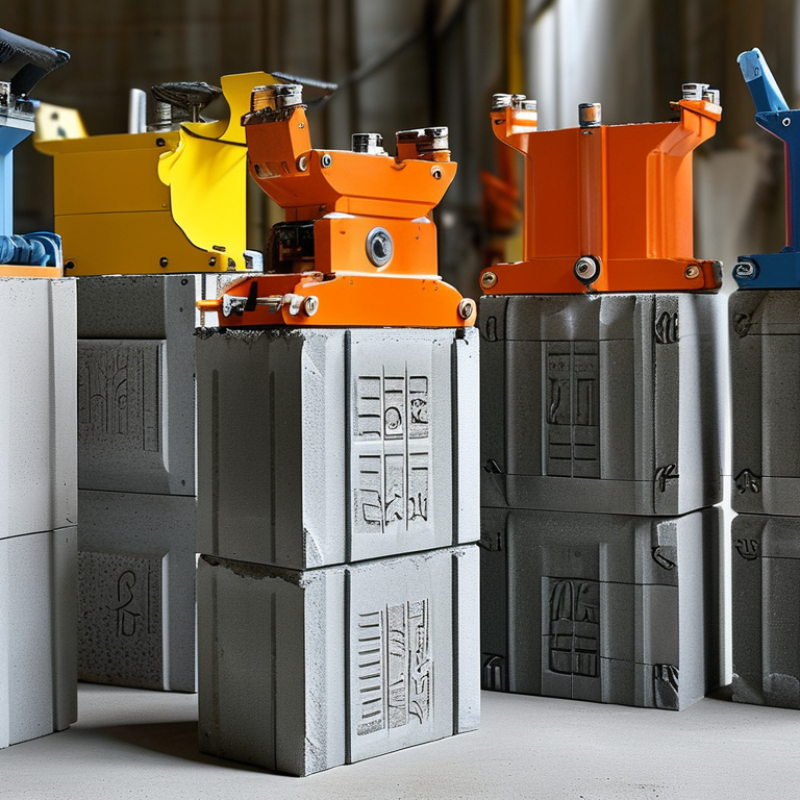
7 Best Concrete Block Machines for Global Buyers

Concrete Block Machine Basics: Vibration, Pressure, and 1,200–20,000 Blocks/Day

Choosing among the seven best concrete block machines starts with understanding three practical factors: vibration, pressure, and daily output. Vibration removes trapped air and helps concrete fill each mold evenly. Weak vibration can leave honeycombs, rough edges, and inconsistent block density. Pressure then shapes the mixture and improves strength. More pressure is not always better. An overly dry mix may crack during demolding.

Production ranges often run from 1,200 to 20,000 blocks per day. The actual number depends on block size, cycle time, mold changes, working hours, and operator skill. A small machine may suit a local project with limited power and simple maintenance. Larger systems need stable electricity, trained technicians, material handling, and enough curing space. It is not magic.

Experienced buyers should inspect vibration frequency, hydraulic pressure, mold steel, control systems, and spare-part access. Ask for tested output using your local cement, sand, and aggregate. A machine producing 20,000 small blocks may produce far fewer heavy units. Measure twice. I have seen production estimates fail because curing space was ignored. The machine performed well, but the yard became crowded within days.

Reliable selection also requires checking block dimensions, compressive-strength targets, electrical standards, and operator safety features. Keep records of cycle times, rejected blocks, moisture levels, and maintenance work. These details reveal the real operating cost better than a brochure. A practical trial is often worth more than a confident sales claim.
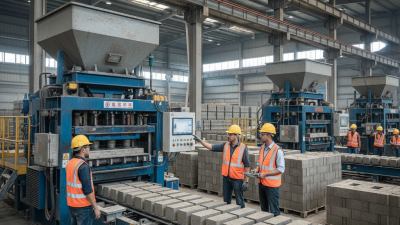
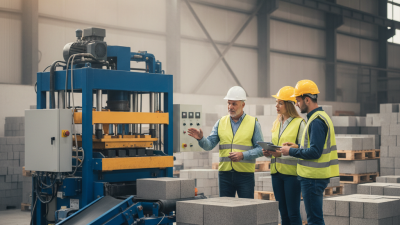
Global Buying Standards: ISO 9001, EN 771-3, and 5–20 MPa Block Strength

7 Best Concrete Block Machines for Global Buyers

Global buyers should assess concrete block machines against documented production controls, not only hourly output. ISO 9001 indicates a managed quality system. It does not certify a machine or guarantee block strength. Ask for audit records, process instructions, calibration logs, and corrective-action reports. EN 771-3 applies to aggregate concrete masonry units. Check whether the machine, molds, and testing process support the requirements in the target market.

Strength targets commonly range from 5 to 20 MPa. Mix design matters greatly. So do vibration, compaction, curing temperature, and moisture control. A machine for 5 MPa blocks may not suit dense 20 MPa units. Request trial production with local aggregates. Measure dimensions, density, water absorption, and compressive strength. Testing should follow recognized procedures and documented sampling plans.

Small details matter. Inspect mold wear and vibration consistency. Review spare-part tolerances and operator training. Factory acceptance testing can reveal uneven filling or weak corners. Site acceptance testing is equally important. A practical concern is often missed: laboratory results may look strong after controlled curing, while outdoor curing performs poorly. That gap deserves honest review. Require traceability from cement batch to finished pallet. Clear records build confidence when production problems appear months later.

Seven Machine Categories Compared by Automation, Mold Size, and Output

For global buyers, the best concrete block machine depends on site conditions, labor, and required output. This comparison focuses on automation, mold size, and production capacity. Manual presses need more labor but offer simple maintenance and lower investment. Semi-automatic machines reduce handling work and suit small factories. Hydraulic machines provide stronger pressure and more consistent block density.

Fully automatic lines deliver high output with fewer operators, but they require trained technicians and stable power. Mobile machines reduce transport needs and work well near construction sites. Vibration-table machines are practical for smaller molds and detailed products, although their output can drop when materials vary. Large-format machines accept bigger molds and produce heavier blocks, but they demand stronger floors and careful material feeding. Mold size matters. A larger mold does not always mean better productivity.

Tips: Test local sand, cement, and moisture before choosing a machine. Ask for sample blocks made with your materials. Check cycle time, mold replacement cost, power consumption, and spare-part access. Output figures often reflect ideal conditions. Real production may be lower. This is where many buying decisions go wrong. Leave space for curing, storage, and occasional downtime. A machine that looks slower on paper may prove more reliable in a dusty, busy workshop.

Manual to Semi-Automatic Machines: 500–2,000 Blocks per Day

For global buyers, the best concrete block machine depends on labor, power, and daily demand. Seven practical options cover this range: a basic hand mold, portable manual press, manual vibration press, hydraulic manual unit, single-layer semi-automatic machine, two-layer semi-automatic machine, and compact pallet machine. Manual equipment suits small yards and irregular electricity. Semi-automatic systems reduce lifting and improve repeatability. Output figures remain estimates, not promises.

A manual press may produce 500–800 blocks per day with two trained workers. A vibrating manual model can reach 700–1,000 blocks when the mix stays consistent. Hydraulic assistance may approach 1,000–1,300 blocks. Semi-automatic machines commonly target 1,200–2,000 blocks daily. These figures assume standard hollow blocks, eight-hour shifts, reliable curing space, and prepared aggregate. Larger blocks lower the count. Poor moisture control lowers it faster. Numbers vary.

Before buying, inspect mold thickness, vibration strength, frame welds, spare-part access, and power requirements. Ask for production tests using local cement and aggregate. Check block dimensions after curing, not only fresh from the machine. Good operators record mix ratios, cycle times, rejected blocks, and maintenance hours. Safety guards and clear operating instructions matter, especially for new crews. The advertised capacity is often optimistic. Budget for training, pallets, curing water, and occasional downtime. A cheaper machine can become expensive when molds wear quickly or local technicians cannot repair it.

7 Best Concrete Block Machines for Global Buyers - Manual to Semi-Automatic Machines: 500–2,000 Blocks per Day

Rank Machine Type Operating Mode Typical Output* Compatible Products Power Requirement Recommended Crew Typical Cycle Best Use Case
1 Manual Egg-Laying Block Machine Hand-operated vibration and demolding 500–800 blocks/day Hollow and solid concrete blocks; pavers with suitable molds Electric vibrator, typically 1.5–3 kW 3–5 workers 30–60 seconds per molding cycle Small construction projects and rural production with limited capital
2 Manual Hydraulic Block Press Manual material loading with hydraulic compaction 600–1,000 blocks/day Solid blocks, hollow blocks, and interlocking pavers Hydraulic power unit, typically 3–5.5 kW 3–5 workers 35–60 seconds per cycle Buyers needing stronger compaction without a fully automated line
3 Manual Vibrating Table Machine Hand-filled molds on a vibrating worktable 500–900 blocks/day Small solid blocks, paving units, curbs, and garden products Vibration motor, typically 1.5–3 kW 3–4 workers 20–45 seconds per cycle Flexible low-volume production using interchangeable molds
4 Semi-Automatic Egg-Laying Machine Powered vibration with manual feeding and movement 800–1,300 blocks/day Hollow and solid blocks in common masonry sizes Typically 3–7.5 kW, depending on mold and vibrator 4–6 workers 20–40 seconds per cycle Small and medium block yards requiring higher consistency
5 Semi-Automatic Stationary Block Machine Automatic vibration and hydraulic demolding; manual pallet handling 1,000–1,600 blocks/day Hollow blocks, solid blocks, pavers, and curbstones Typically 7.5–15 kW 5–7 workers 15–30 seconds per cycle Commercial production where uniform dimensions are important
6 Semi-Automatic Paver and Block Press Powered feeding and pressing with manual pallet transfer 1,200–1,800 blocks/day Interlocking pavers, solid blocks, hollow blocks, and tiles Typically 11–18.5 kW 5–8 workers 12–25 seconds per cycle Producers serving paving, landscaping, and municipal projects
7 Semi-Automatic Multi-Layer Block Machine Automated filling, vibration, and stacking with manual material preparation 1,500–2,000 blocks/day Hollow blocks, solid blocks, pavers, and specialty concrete units Typically 15–30 kW 6–9 workers 10–20 seconds per cycle Growing block yards targeting higher output with limited automation
*Production note: Output figures are typical planning ranges for standard concrete blocks around 390 × 190 × 190 mm, based on an 8-hour workday. Actual production depends on mold configuration, concrete mix, curing method, operator skill, pallet availability, and local power conditions.

Fully Automatic Production Lines: 5,000–20,000 Blocks per Day

For global buyers comparing the 7 best concrete block machines, fully automatic production lines deserve close attention. They can produce 5,000–20,000 blocks per day under stable operating conditions. Actual output depends on block size, mix design, curing time, and working shifts. A standard 400 × 200 × 200 mm block may require different settings than a paving unit. This difference matters.

A reliable line usually includes an aggregate mixer, automatic feeder, vibration press, pallet system, and control cabinet. Servo-controlled movement can improve positioning and reduce material waste. Moisture control is equally important. A mix that looks slightly dry may produce chipped edges and weak corners. Operators should record batch moisture, cycle time, vibration duration, and rejected units. These records support practical quality decisions, not just factory claims. Good machines need disciplined operation.

Capacity figures should be tested with the buyer’s materials. No estimate is perfect. Ask for a trial using local cement, aggregates, and molds before placing an order. Inspect block density, surface texture, demolding strength, and pallet alignment. Energy use, spare-part access, safety guarding, and operator training also affect long-term value. A line producing 20,000 blocks daily may be unsuitable if maintenance delays stop production for several hours. That is easy to overlook. I would also leave room for production mistakes, especially during the first weeks. Real performance often improves after careful adjustment.

7 Best Concrete Block Machines for Global Buyers

Fully Automatic Production Lines: Estimated Output of 5,000–20,000 Blocks per Day

The chart compares common fully automatic concrete block production configurations by indicative daily capacity during an eight-hour production shift. Actual output depends on block size, mold design, cycle time, curing conditions, material consistency, and operating efficiency.