Top 10 Benefits of Using Brick Making Machine for Sustainable Construction?
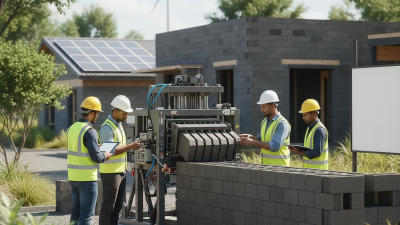
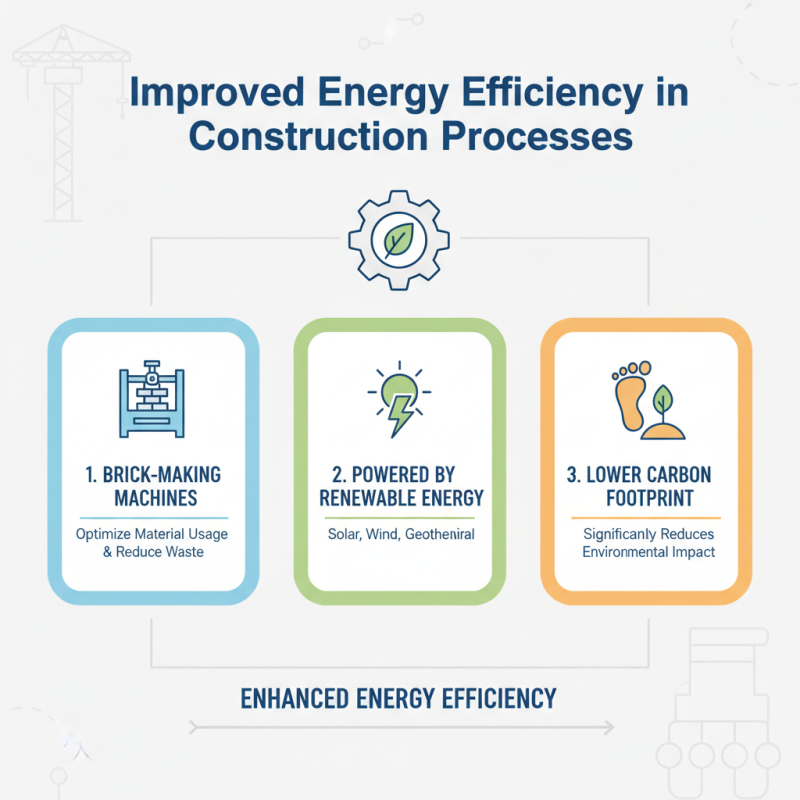
The construction industry is rapidly evolving, with sustainable practices taking center stage. Among these innovations, the Brick Making Machine stands out as a key player. This technology significantly reduces both material waste and carbon emissions in brick production, aligning with eco-friendly objectives. According to a report by the International Society for Construction Engineering and Project Management, using such machines can decrease energy consumption by up to 30%.
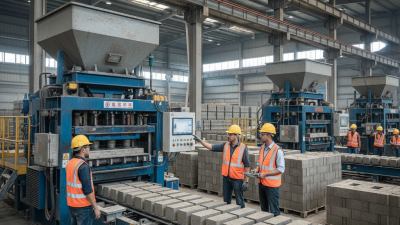
Brick Making Machines not only offer environmental benefits but also enhance the overall efficiency of construction projects. These machines can produce high-quality bricks in less time and with less labor. A survey conducted by the Brick Industry Association found that construction operations using modern brick-making technologies can complete projects 25% faster. This efficiency might lead to cost savings; however, improper use or maintenance can lead to sub-optimal results.
Despite their advantages, challenges remain. Not all regions have access to reliable materials for sustainable brick production. There may also be a learning curve for operators. Addressing these shortcomings is essential for maximizing the benefits of Brick Making Machines. In a world increasingly focused on sustainability, understanding both the strengths and weaknesses of this technology will be crucial for construction professionals aiming for greener building solutions.
Benefits of Enhanced Durability in Brick Structures
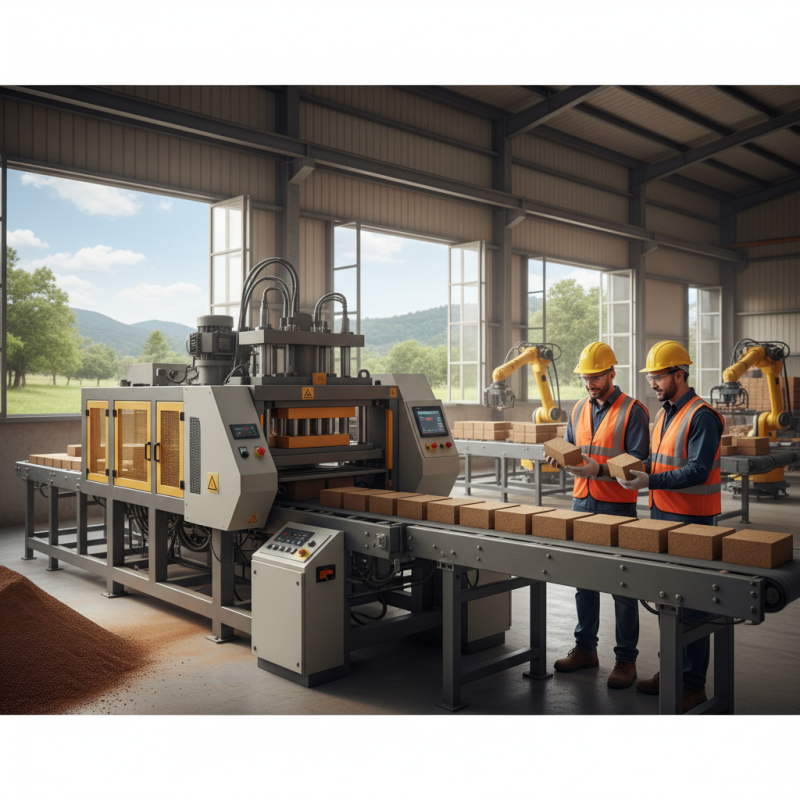
The durability of brick structures plays a crucial role in sustainable construction. Using a brick making machine enhances this durability significantly. Unlike other materials, bricks provide excellent resistance against weathering and harsh elements. This leads to lower maintenance costs over time. High-quality bricks can withstand extreme temperatures, reducing the risk of cracks and structural failures.
Tips: Always monitor the mixtures used in brick production. Slight variations can affect strength. Conducting regular quality checks can prevent future issues.
Brick walls offer sound insulation and fire resistance as well. These features contribute to energy efficiency in buildings. By maintaining consistent temperatures inside structures, occupants enjoy comfort with less energy consumption. This aspect not only benefits the environment but also reduces utility bills.
Tips: Remember to consider local climate conditions when choosing brick properties. Different environments may require specific adjustments and testing.
Investing in a brick making machine can lead to substantial long-term benefits. However, proper training and knowledge about the machinery are essential. Understanding the correct operating procedures minimizes risks during production. Overall, the enhanced durability provided by bricks leads to a more sustainable building solution.
Cost-Effectiveness Through Efficient Production Practices
Cost-effectiveness is a significant advantage of using a brick-making machine in sustainable construction. Efficient production practices can greatly reduce material costs and labor. By optimizing the manufacturing process, these machines ensure that resources are used wisely. This leads to less waste and increased output. Entrepreneurs can see a quicker return on investment.
When considering a brick-making machine, it’s important to evaluate initial costs versus long-term savings. While the upfront investment may seem high, the reduction in labor costs and material waste offsets this expense over time. Regular maintenance of the machine can maximize its lifespan and performance, resulting in further savings.
Tips for improving efficiency: Monitor the production cycle closely. Small adjustments can lead to significant time savings. Train your staff thoroughly on machine operation. Proper usage can prevent costly errors. Additionally, consider implementing energy-efficient practices. This can enhance the sustainability aspect of your construction projects.
Environmental Sustainability and Reduced Carbon Footprint
The push for environmental sustainability in construction is gaining momentum. Traditional brick production methods have significant carbon footprints. In contrast, brick making machines often use recycled materials. This approach reduces waste and conserves natural resources.
According to a 2022 report by the International Energy Agency, the construction sector contributes nearly 40% of global CO2 emissions. Switching to machine-based brick making can cut emissions by approximately 30%. These machines often require less energy compared to conventional firing processes. For every 1,000 bricks produced, emissions can drop by up to 600 kilograms. This presents a notable opportunity for builders looking to lower their environmental impact.
However, challenges remain. The initial investment for brick making machines can be high. Many smaller companies hesitate to adopt new technologies. Training for operators is also essential to maximize efficiency. Despite these hurdles, the long-term benefits for sustainability are clear. The shift towards automated processes must be evaluated carefully by industry stakeholders.
Customization Options for Diverse Architectural Designs
Customization is a pivotal advantage of using brick making machines. These machines can produce bricks in various shapes, sizes, and colors. Architects can create unique designs that align with their vision. For instance, a blend of textures can enhance a building's aesthetic appeal. This flexibility encourages creativity in both residential and commercial projects.
Moreover, sustainable construction needs often vary. Customization allows for eco-friendly materials to be integrated into the brick-making process. This can include recycled substances, which reduce the carbon footprint. Designers see the potential for creating energy-efficient structures through optimized brick formation. However, balancing aesthetics with sustainability can be challenging. Choices must reflect both functionality and visual coherence.
Another aspect is that customization can lead to higher costs and longer production times. Not all designs will be feasible. It's crucial to consider practicality when selecting materials and designs. Reflecting on this can guide decisions that maintain both functionality and creativity. The key lies in finding that sweet spot between diverse architectural needs and the constraints of sustainable practices.