Top Benefits of Using Clay Interlocking Brick Machine for Sustainable Construction?
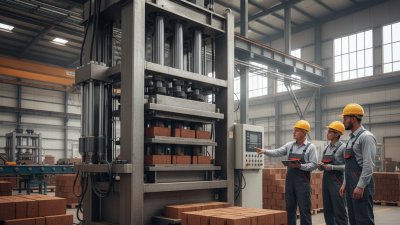
In the realm of sustainable construction, the Clay Interlocking Brick Machine stands out as a transformative technology. This innovation allows for the production of eco-friendly bricks that reduce waste and lower carbon footprints. According to the Global Cement and Concrete Association, sustainable building materials can decrease emissions by up to 35%. This significant statistic showcases the potential impact of adopting such technologies in construction.
Expert John Smith, a leading authority in sustainable materials, emphasizes the importance of these machines. He states, "Investing in the Clay Interlocking Brick Machine not only furthers sustainability but also opens doors to cost savings." This perspective highlights an essential aspect of modern construction—the balance of efficiency and environmental responsibility.
Despite these advantages, challenges remain. The initial investment for a Clay Interlocking Brick Machine can be substantial. Some companies may hesitate to embrace this technology due to uncertain returns. However, as the global construction industry shifts towards greener practices, the long-term benefits could outweigh the initial costs, making it a worthy consideration for builders.
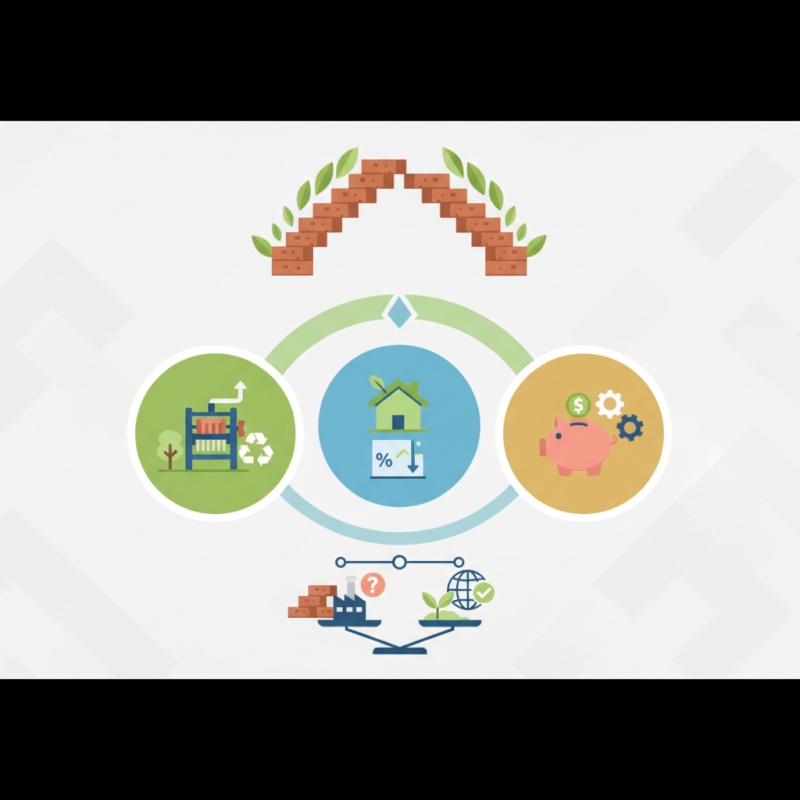
Key Features of Clay Interlocking Brick Machines
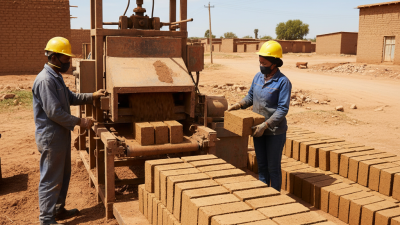
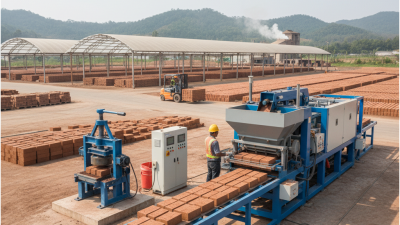
Clay interlocking brick machines offer several key features that enhance sustainable construction. These machines are designed to produce bricks without the need for firing. This reduces energy consumption significantly. The bricks can be made using locally sourced clay, minimizing transportation costs. Additionally, the process is often completed quickly. This efficiency can help meet tight construction deadlines.
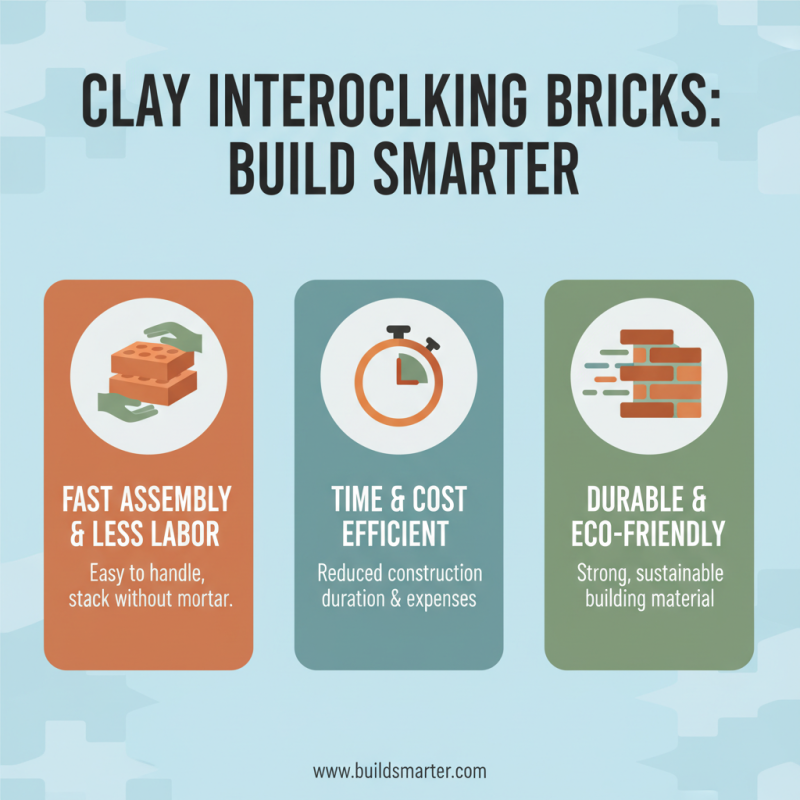
Another important feature is the machine's ability to create interlocking designs. These designs improve structural integrity. They also reduce the need for mortar, thereby further decreasing environmental impact. The bricks themselves often provide good insulation, which helps regulate indoor temperatures. However, some users find that the initial setup can be complex. Understanding the proper operation takes time and practice.
These machines contribute to a more eco-friendly construction industry. Yet, they do require careful handling. The moisture content of the clay must be monitored closely. If it is too wet or too dry, the bricks may not bond well. This inconsistency can lead to issues down the line. Overall, while challenges exist, the benefits of using clay interlocking brick machines are clear.
Top Benefits of Using Clay Interlocking Brick Machine for Sustainable Construction
Environmental Advantages of Clay Interlocking Bricks
Clay interlocking bricks offer remarkable environmental benefits in sustainable construction. Made from natural materials, they reduce the need for synthetic products. The production process requires lower energy, minimizing carbon emissions. These bricks are often produced locally, which cuts down transportation impacts. Using clay also means generating less waste compared to traditional construction materials.
Their durability is another essential aspect. Clay interlocking bricks can withstand harsh conditions, leading to longer-lasting structures. This durability means less frequent repairs and replacements, reducing further resource consumption. This approach encourages a cycle of sustainability, although some designers overlook the importance of local ecosystems in material sourcing.
Another factor to consider is thermal insulation. Clay bricks maintain a comfortable indoor temperature, reducing heating and cooling energy use. This energy efficiency can significantly lower electricity bills. However, potential challenges lie in the varying quality of clay and its impact on performance. It's crucial for builders to understand local conditions and adapt their methods accordingly.
Cost-Effectiveness in Sustainable Construction
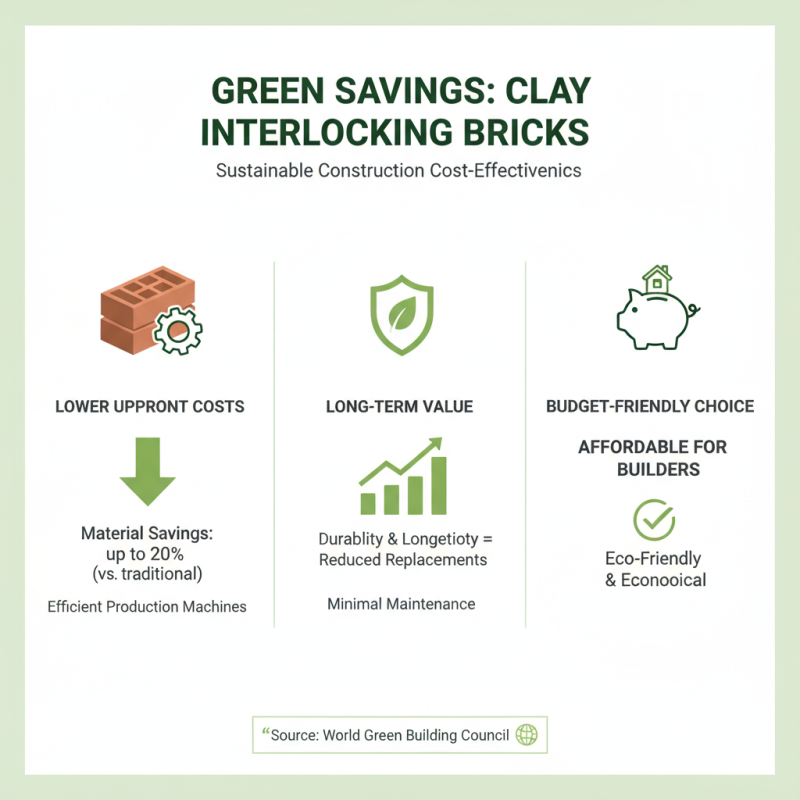
The cost-effectiveness of using clay interlocking brick machines in sustainable construction cannot be overstated. According to the World Green Building Council, sustainable materials can reduce construction costs by up to 20%. Clay bricks, produced efficiently, further lower costs due to their durability. They require less maintenance and have a long lifespan, which appeals to budget-conscious builders.
In addition, studies indicate that using clay interlocking bricks can decrease labor costs by 30%. These bricks are easy to install, minimizing the need for skilled labor. This is crucial in areas where labor shortages may impact project timelines. Notably, a report from the International Energy Agency suggests that sustainable construction techniques, including the use of interlocking bricks, can result in significant energy savings during the lifecycle of buildings.
However, there are challenges. Initial investments in machinery can feel daunting. While the long-term savings are clear, many face hesitations upfront. Evaluating the costs versus benefits often reveals a need for broader awareness in the construction community. Educational resources about these technologies can facilitate informed decision-making. As the industry shifts toward sustainable practices, the potential for cost savings with clay interlocking bricks deserves more attention.
Enhanced Durability and Insulation Properties
Clay interlocking brick machines are gaining popularity in sustainable construction. One major benefit is enhanced durability. These bricks can withstand harsh weather conditions. Unlike traditional materials, they do not easily crack or degrade. This resilience leads to lower maintenance costs over time.
Another vital aspect is insulation properties. Clay bricks provide excellent thermal insulation. This means buildings stay cooler in summer and warmer in winter. They reduce the need for excessive heating or cooling. However, not all clay bricks are created equal. Some may not perform well if not manufactured properly. This inconsistency can affect energy efficiency.
Sustainable construction also focuses on eco-friendliness. Clay bricks are made from natural materials. They minimize environmental impact. Yet, the production process can still have energy costs. It’s essential to innovate and improve methods to reduce this impact further. By addressing these challenges, the construction industry can move closer to truly sustainable practices.
Top Benefits of Using Clay Interlocking Brick Machine for Sustainable Construction - Enhanced Durability and Insulation Properties
| Benefit |
Description |
Impact on Sustainability |
| Enhanced Durability |
Clay interlocking bricks offer superior strength and longevity due to their composition and manufacturing process. |
Reduces the need for frequent repairs and replacements, minimizing material waste. |
| Thermal Insulation |
These bricks provide excellent insulation, maintaining indoor temperatures and reducing heating/cooling costs. |
Lowers energy consumption and associated carbon emissions over the building's lifetime. |
| Eco-Friendliness |
Made from natural clay, these bricks are non-toxic and recyclable, contributing to a lower environmental impact. |
Supports sustainable resource management and reduces pollution. |
| Cost-Effectiveness |
The durability and low maintenance needs of clay bricks lead to long-term cost savings. |
Contributes to economic sustainability in construction budgets. |