Top 10 Benefits of Using an Interlocking Block Machine for Construction?
In the ever-evolving construction industry, innovation is key. The Interlocking Block Machine stands out as a transformative tool. It simplifies the building process and enhances efficiency. This technology offers significant advantages for various construction projects.
Using the Interlocking Block Machine can lead to cost savings. It reduces labor costs by streamlining the construction process. Additionally, the blocks produced are often stronger and more durable than traditional materials. This durability translates to long-lasting structures that require less maintenance.
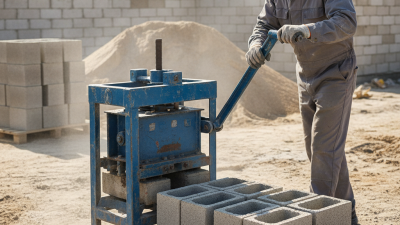
Many builders have reported positive experiences with this machine. Its design allows for easy stacking and alignment, contributing to faster project completion. However, some users have faced challenges in mastering the machine's operation. This learning curve can be daunting. Yet, with practice, the benefits become clear, showcasing the potential of the Interlocking Block Machine in modern construction.
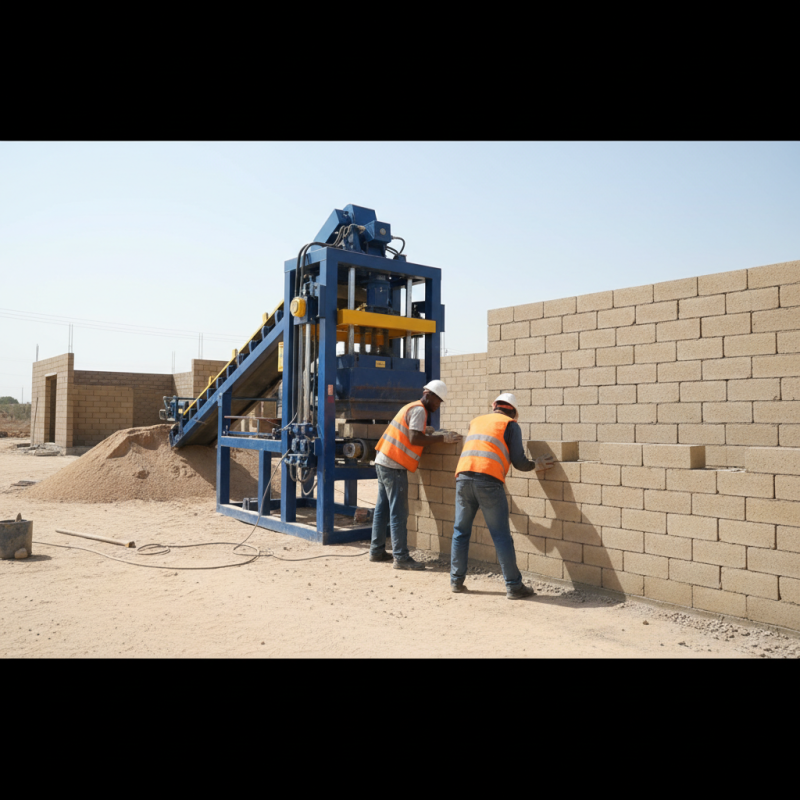
Benefits of Interlocking Block Machines in Reducing Construction Costs
Interlocking block machines play a pivotal role in modern construction. They significantly reduce construction costs, making projects more affordable. According to a report by the International Journal of Engineering Research and Applications, using interlocking blocks can cut labor costs by up to 40%. This efficiency is due to the reduced need for mortar and the simplicity of the installation process.
Additionally, interlocking block machines minimize waste. Research indicates that traditional construction methods generate about 30% more waste than interlocking block systems. This not only lowers material costs but also lessens environmental impact. By using a more efficient method, builders can save an estimated 20% on material expenses.
However, the initial investment in an interlocking block machine can be daunting for some. The capital outlay may seem high, especially for small companies. This challenge makes some hesitate, even with the long-term savings. Exploring financing options could alleviate this concern. Investing in training for workers is also crucial. Skilled labor ensures that the blocks are used efficiently, maximizing the benefits. Making these adjustments may prove vital for future projects.
Enhanced Construction Speed Through Interlocking Block Technology
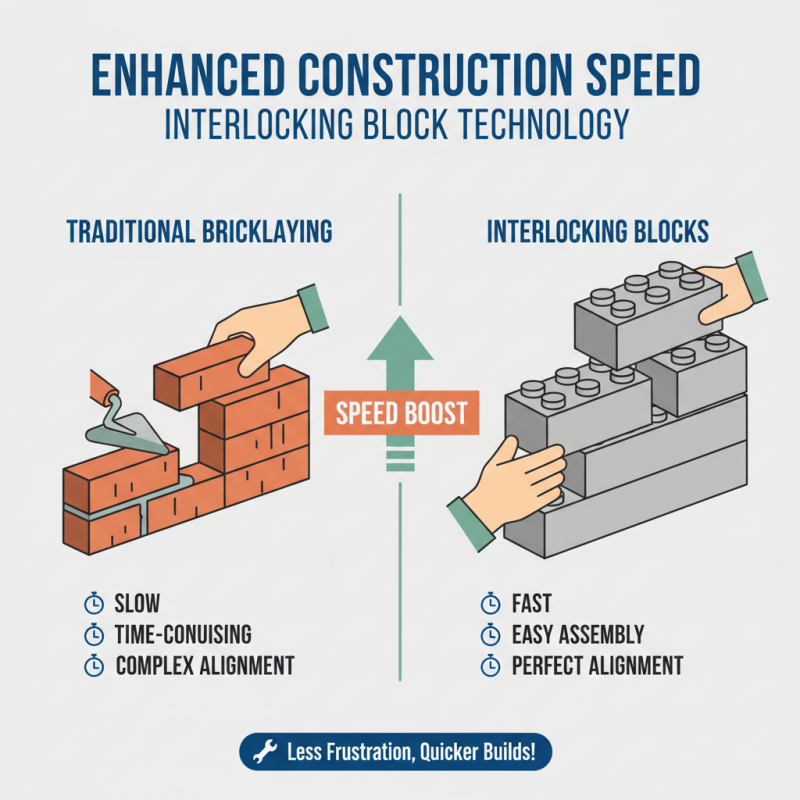
Interlocking block technology significantly enhances construction speed. Traditional methods often involve meticulous brick laying, which can consume considerable time. In contrast, interlocking blocks are designed for easy fitting. This design simplifies the process, allowing for quicker assembly on-site. Workers experience less frustration since blocks align seamlessly.
Additionally, this technique reduces the need for extensive mortar application. Fewer materials mean less work and lower costs. The efficiency gained does come with its challenges. Proper training is necessary to ensure all workers understand the system fully. Misalignment can lead to structural issues. But when done correctly, the speed of construction is remarkable.
The adaptability of interlocking blocks allows for various designs and applications. From residential buildings to larger structures, their versatility cannot be overlooked. However, one must consider the local climate and soil conditions. Not all areas will benefit equally from this technology. Overall, interlocking blocks provide a blend of speed and adaptability, making them a popular choice in modern construction.
Improved Structural Integrity with Interlocking Blocks in Building Projects
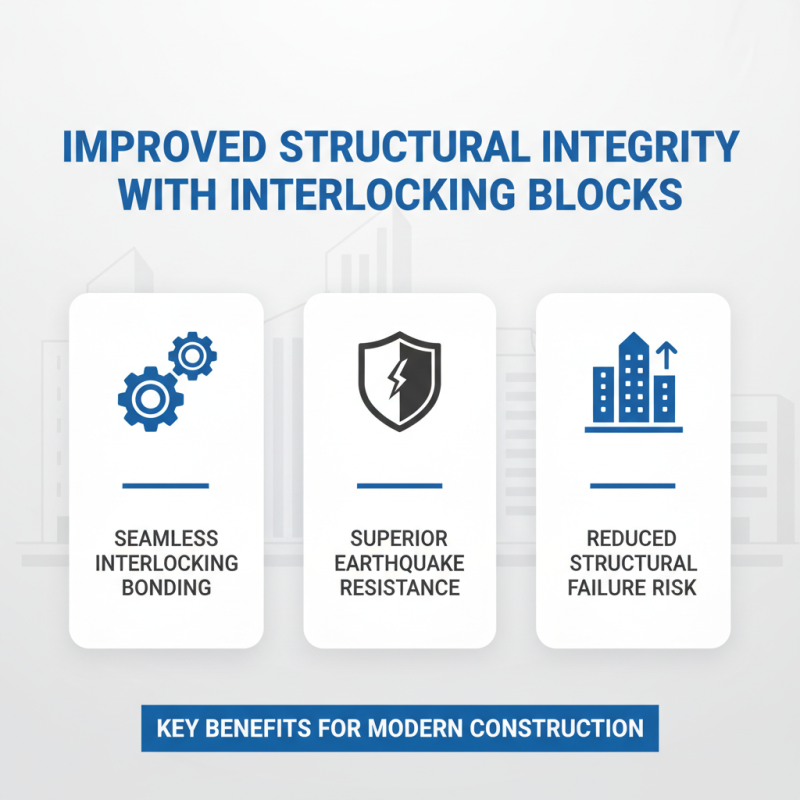
Interlocking block machines are revolutionizing the construction industry, particularly in terms of structural integrity. These blocks interlock seamlessly, providing a stronger bond than traditional methods. According to recent research, buildings made with interlocking blocks can withstand seismic activities better than those constructed with conventional materials. This is crucial in areas prone to earthquakes, where structural failure poses significant risks.
Moreover, interlocking blocks contribute to enhanced stability and durability. They reduce the need for external reinforcements, streamlining the construction process. The International Journal of Construction and Building Materials reports that structures utilizing interlocking systems exhibit increased longevity, with lifespan projections extending over 100 years. This longevity can lead to reduced maintenance costs, further solidifying their long-term viability.
However, it's essential to consider the learning curve associated with adopting new technologies. Initial investments in equipment and training can be substantial. Some engineers still express concerns about the adaptability of existing designs to interlocking systems. Embracing change can be challenging, but the potential for improved structural integrity and safety presents a compelling case.
Eco-Friendly Benefits of Using Interlocking Blocks in Construction
Interlocking blocks are revolutionizing construction with their eco-friendly benefits. These blocks are made from local materials, reducing transportation emissions. An estimate by the Global Alliance for Buildings and Construction indicates that construction generates 39% of global CO2 emissions. By using interlocking blocks, we can substantially lower this figure.
The design of interlocking blocks enhances energy efficiency. They provide better thermal insulation compared to traditional bricks. According to the International Energy Agency, improved insulation can reduce heating and cooling costs by up to 30%. This not only saves money but also lessens the demand for energy produced from fossil fuels.
Moreover, interlocking blocks facilitate waste reduction. Their precise assembly minimizes the use of mortar and other materials. As reported by the United Nations, construction waste accounts for about 30% of total waste generated globally. By focusing on efficient building methods, we can mitigate this pressing issue. However, it's vital to address the initial cost concerns of adopting these technologies. Balancing upfront investments with long-term savings requires careful consideration.
Top 10 Benefits of Using an Interlocking Block Machine for Construction
| Benefit |
Description |
Environmental Impact |
| Sustainability |
The interlocking block system uses less cement and binder materials compared to traditional methods, reducing resource depletion. |
Lower carbon footprint due to decreased material usage. |
| Cost-Effectiveness |
The production process reduces costs associated with labor and materials. |
Promotes economic efficiency in construction. |
| Energy Efficiency |
Construction using interlocking blocks enhances thermal insulation. |
Reduces energy consumption for heating and cooling. |
| Quick Construction |
Interlocking blocks are easy to assemble, which accelerates building time. |
Less time spent on site minimizes disruption to the environment. |
| Minimal Waste |
The interlocking block system minimizes off-cuts and waste materials. |
Reduces landfill usage and environmental pollution. |
| Versatility |
Can be utilized in various types of projects, from residential to commercial buildings. |
Promotes resource optimization across different construction types. |
| Good Aesthetic |
Interlocking blocks can be designed for appealing visuals. |
Enhances the local environment's architectural appeal. |
| Water Resistance |
Properly constructed interlocking blocks show excellent resistance to water infiltration. |
Minimizes water-related environmental hazards. |
| Durability |
Built to withstand harsh conditions and last longer than traditional methods. |
Decreases the need for frequent repairs or replacements. |
Versatility of Interlocking Block Machines for Diverse Construction Needs
Interlocking block machines are gaining popularity in construction due to their versatility. They allow for various applications, from small residential buildings to large commercial structures. These machines can produce blocks in different shapes and sizes, catering to diverse architectural designs. Whether you need wall blocks or decorative stones, interlocking block machines meet those needs efficiently.
However, challenges exist. The initial investment can be significant, and proper training is required for effective operation. Some operators may struggle to master the machine's functions. Moreover, while these blocks offer high durability, improper mixing of materials can lead to quality issues. It is crucial to monitor the production process closely.
The adaptability of interlocking block machines also extends to different construction environments. They can be used in remote areas where traditional building materials are hard to find. This flexibility facilitates sustainable building practices. Yet, it’s essential to assess local conditions before relying solely on these machines. Balancing these benefits with potential drawbacks can ensure successful construction projects.
Top 10 Benefits of Using an Interlocking Block Machine for Construction