Best Diesel Block Machine for Global Buyers in 2026?
In 2026, the demand for Diesel Block Machines is expected to surge globally. According to a recent market analysis, the diesel block machine industry is projected to grow by 15% annually. This growth is driven by increased construction activities and a rising need for durable building materials. Countries like China and India are leading the way, displaying a 20% increase in production capacity.
However, the choice of a diesel block machine can be daunting for international buyers. Factors such as technology, cost-effectiveness, and efficiency play crucial roles. The variety of options available may confuse potential buyers. Reports indicate that more than 40% of users face challenges with machine maintenance, highlighting the need for reliable support services.
Investing in the right Diesel Block Machine is critical. Buyers must evaluate their local conditions and requirements. Regional differences can impact efficiency and effectiveness. Thus, a thorough assessment is necessary to make an informed decision. Companies should continuously refine their products to address the evolving market demands.
Overview of Diesel Block Machines and Their Global Significance
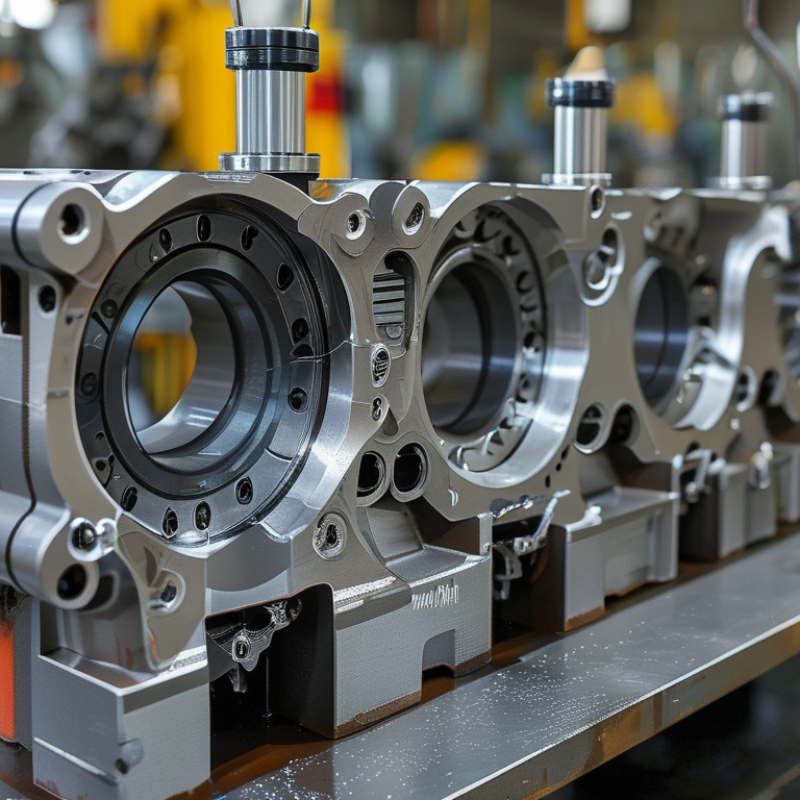
Diesel block machines are crucial in the construction and manufacturing industries. They offer efficiency and durability, making them significant for global buyers. Many regions rely on these machines for tasks like producing concrete blocks. The blocks assist in building infrastructure, from homes to commercial spaces. The use of diesel technology allows for robust performance in various environments, including remote locations.
However, there are challenges. Diesel machines sometimes produce emissions that can affect air quality. Many countries are pushing for greener alternatives. Buyers must weigh the benefits of these machines against their environmental impact. Advances in technology may provide solutions, but skepticism remains. The focus should be on creating machines that are both effective and eco-friendly.
Moreover, access to these machines can be inconsistent. Some regions may struggle with sourcing reliable technology due to market fluctuations. This inconsistency creates a need for adaptability in construction methods. Buyers must stay informed and ready to adjust their strategies as the industry evolves. Paying attention to these dynamics is essential for making informed purchasing decisions.
Key Features to Consider When Choosing a Diesel Block Machine
When selecting a diesel block machine, several key features stand out. One crucial aspect is the engine's efficiency. A machine with a powerful yet fuel-efficient engine can reduce operational costs significantly. Buyers should seek models that provide a good balance between power and emissions. Understanding engine specifications and their impact on production can help informed decisions.
Another essential feature is the machine's durability. A robust construction ensures longevity and reduces maintenance costs. Check for high-quality materials and craftsmanship. Also, a reliable warranty is a sign of a manufacturer's confidence in their product. Buyers should consider machines tested in various environments to ensure they can withstand harsh conditions.
Ease of operation is also vital. A user-friendly interface can minimize training time and reduce errors. Machines with intuitive controls enhance productivity. Finally, consider available support and customer service. Efficient after-sales support can make a considerable difference in the machine’s usability over its lifetime. Balancing these features can be challenging but is essential for a successful purchase.
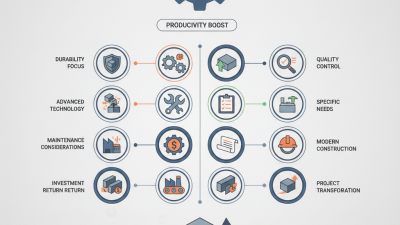
Best Diesel Block Machine Features Comparison in 2026
Top Diesel Block Machine Brands and Their Market Presence in 2026
As the global market for construction machinery evolves, diesel block machines have become increasingly popular among builders and contractors. Reports indicate that the demand for diesel block machines is projected to grow by 5% annually through 2026. This growth aligns with the rising need for durable construction materials worldwide. Regions such as North America and Asia-Pacific lead in consumption. Their construction sectors favor machines that offer efficiency and reliability.
While factors like fuel efficiency and durability are critical, trusted brands have established strong market presence due to their innovation. Industry experts highlight that approximately 65% of buyers prioritize reliability when selecting a diesel block machine. Notably, many brands are incorporating sustainable practices to appeal to environmental concerns. This shift is significant, as a growing segment of buyers, about 30%, now consider eco-friendly options as essential.
However, no market is without flaws. Some manufacturers face challenges in maintaining consistent quality across their product lines. Frequent feedback indicates that user experience can vary significantly, affecting operational efficiency. The need for continuous improvement is evident. As 2026 approaches, brands must address these inconsistencies to retain customer trust. The landscape remains dynamic, offering potential growth alongside inherent challenges.
Comparative Analysis of Diesel Block Machines Based on Performance
In recent years, diesel block machines have evolved significantly, influencing global construction practices. Reports indicate that these machines increase efficiency by up to 30% compared to older models. Performance metrics such as power output and fuel consumption have become critical in evaluating options. A recent analysis highlighted that machines with a higher compression ratio produced better block density, enhancing overall durability.
However, buyers must consider trade-offs. Higher power often leads to increased fuel consumption, which can be a concern for sustainability. One study notes that machines with lower emissions were favored by 70% of contractors working on eco-friendly projects. Despite this, some manufacturers still struggle to balance power and environmental impact. This inconsistency highlights the need for thorough research before making a purchase.
Moreover, user reviews suggest that ease of maintenance directly correlates with machine longevity. A survey found that 40% of users experienced downtime due to complicated repair processes. This feedback emphasizes the importance of understanding both performance and maintenance requirements. Buyers are encouraged to investigate these factors to make an informed choice.
Future Trends in Diesel Block Machine Technology and Innovation
The landscape of diesel block machine technology is rapidly evolving. By 2026, advancements in design and functionality will reshape the market. The Diesel Engine Manufacturers Association reported a 12% annual increase in demand for efficient machinery. This trend indicates a shift toward innovative solutions that prioritize fuel efficiency and emission reductions.
Manufacturers are actively seeking eco-friendly alternatives. The integration of smart technology will enable real-time monitoring and diagnostics. Reports suggest that machines equipped with IoT connectivity can reduce operational costs by up to 30%. It’s essential for buyers to consider sustainability alongside performance when selecting equipment.
When evaluating diesel block machines, keep an eye on compatibility with existing systems. Maintenance requirements can vary significantly between models, impacting overall productivity. Investing in equipment with lower maintenance demands could enhance operational efficiency. Choosing wisely will pave the way for a more sustainable construction future.