2026 Best Hydraulic Brick Making Machine Options for Every Builder
In the ever-evolving construction industry, the importance of a reliable Hydraulic Brick Making Machine cannot be overstated. Industry expert, Dr. Harold Evans, once stated, "The right machine can transform the brick-making process." As builders look for efficiency and durability, these machines stand out in creating high-quality bricks with minimal effort.
Hydraulic brick making machines offer builders the chance to increase production while saving on labor costs. They combine automation with precision, making it easier to produce bricks that meet the highest standards. However, selecting the ideal machine can be a challenge. With various options available, understanding the features and benefits of each is essential.
Despite the advantages, not all machines are perfect. Some may require extensive maintenance, leading to unexpected downtime. Builders must weigh the pros and cons carefully. Choosing the right Hydraulic Brick Making Machine can greatly affect project outcomes, so thoughtful consideration is necessary.
Overview of Hydraulic Brick Making Machines in 2026
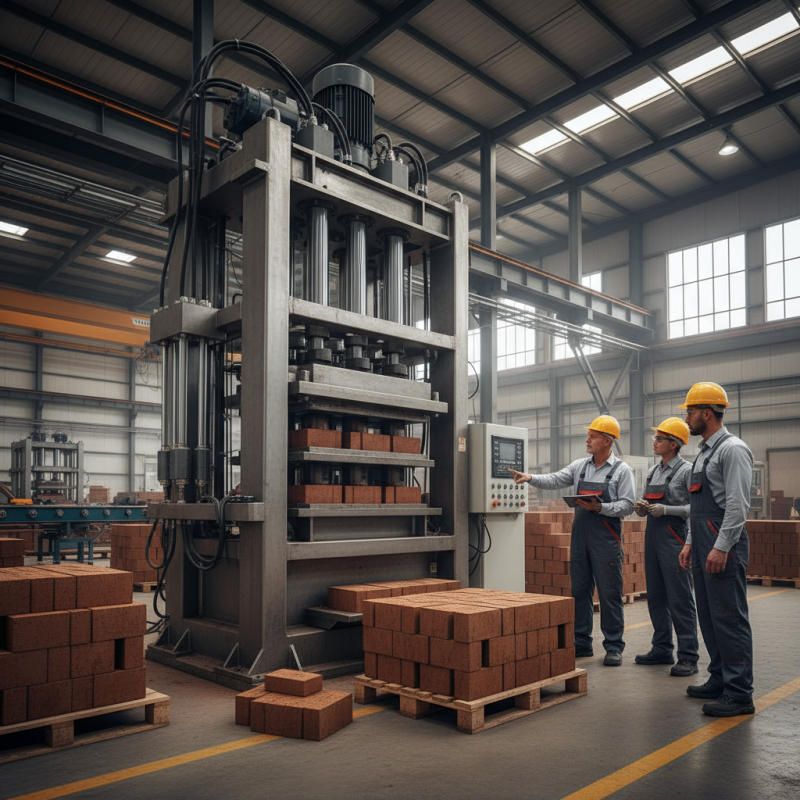
In 2026, hydraulic brick making machines stand out for their efficiency and technology. They use hydraulic systems to compress raw materials into high-strength bricks. This process enhances the density and durability of the bricks produced. Recent industry reports indicate that the global market for hydraulic brick machines is projected to grow by 5.6% annually. Builders appreciate this growth due to the increasing demand for sustainable construction materials.
Moreover, the advancements in machine technology significantly boost production speeds. Many machines can now produce up to 2,000 bricks per hour. This efficiency is crucial for large-scale projects, where time and resources must be managed effectively. However, not all machines deliver consistent quality. Some builders report variations in brick size and strength. This inconsistency affects the overall project quality.
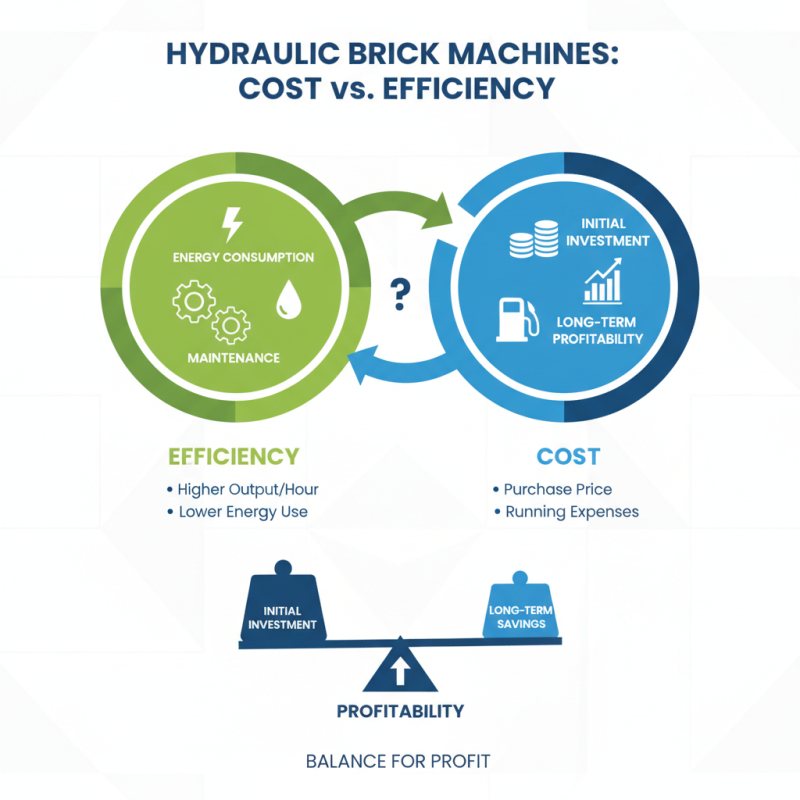
When choosing a hydraulic brick making machine, factors like energy consumption and maintenance need consideration. It's essential to evaluate the total cost of ownership beyond the initial purchase price. The right machine can lead to improved profitability, but errors in choice can lead to costly setbacks. Balancing efficiency with quality will always be a challenge in this evolving market.
Key Features to Consider When Choosing a Hydraulic Brick Maker
When choosing a hydraulic brick maker, several key features should influence your decision. One critical aspect is the machine's capacity. Many top models can produce anywhere from 1,200 to 2,500 bricks per hour. A builder's scale of operation often dictates which capacity to select. For small operations, a lower output may suffice. However, larger projects demand machines with higher production rates.
Another vital consideration is the mold size and versatility. Machines that offer interchangeable molds can adapt to various brick dimensions. This flexibility can cater to different market demands, enhancing profitability. According to industry reports, builders who invest in versatile machinery can see profit margins increase by up to 20%. However, opting for a less flexible model can limit growth potential, making it an essential factor to evaluate.
Moreover, the hydraulic system's efficiency impacts overall productivity. High-efficiency hydraulic systems reduce energy consumption, leading to cost savings over time. It's particularly useful for builders aiming to minimize operational costs. However, some models may require more maintenance, which can lead to unexpected downtime. This variable can challenge even experienced builders, underscoring the need for thorough research and reflection before finalizing a choice.
Top Hydraulic Brick Making Machines for Small-Scale Builders
When considering hydraulic brick making machines for small-scale builders, several options stand out. The demand for affordable housing has surged in recent years, prompting many builders to seek cost-effective solutions. A report by the Building Materials Council indicates that nearly 60% of new construction relies on locally sourced materials. Hydraulic brick making machines allow builders to produce high-quality bricks quickly.
The machines offer flexibility in production. Builders can make bricks in various shapes and sizes. However, performance varies significantly among different models. Some may struggle with consistency in pressure, leading to uneven bricks. Industry experts recommend testing multiple machines to determine the ideal fit. In addition, the initial investment can be substantial for small enterprises.
Efficient machines can boost production rates by over 25% compared to manual methods. However, maintenance and training are crucial for long-term success. Without proper knowledge, production may face numerous setbacks. Small-scale builders must weigh the potential return on investment carefully. When looking for a hydraulic brick making machine, thorough research and careful consideration are vital.
2026 Best Hydraulic Brick Making Machine Options for Every Builder
| Machine Type |
Production Capacity (Bricks/Hour) |
Power (kW) |
Weight (kg) |
Price Range (USD) |
| Semi-Automatic |
800 |
15 |
1200 |
$5,000 - $7,000 |
| Fully Automatic |
1200 |
20 |
2000 |
$10,000 - $15,000 |
| Mobile Hydraulic |
600 |
12 |
800 |
$4,000 - $6,000 |
| Electric Hydraulic |
900 |
18 |
1600 |
$7,000 - $9,000 |
| Pneumatic Hydraulic |
700 |
10 |
950 |
$3,500 - $5,000 |
Best Options for Large-Scale Brick Production in 2026
When considering large-scale brick production in 2026, selecting the right hydraulic brick making machine is crucial. These machines can significantly improve efficiency and output. They are designed to handle large volumes, producing high-quality bricks in various sizes. It's important to evaluate your specific needs before making a choice. Not every machine fits every operation.
Some machines might struggle under heavy workloads. Durability and maintenance become essential factors in the selection process. Look for options that provide ease of maintenance. A machine that often breaks down can lead to lost time and increased costs. Additionally, consider energy efficiency. Lower energy consumption can greatly impact overall production costs.
Operators must also receive proper training to maximize machine capabilities. Misuse can lead to poor quality bricks. The balance between advanced features and user-friendliness is vital. Remember, the machine should help rather than complicate the process. Reflecting on these factors helps ensure that your investment is sound and productive.
2026 Best Hydraulic Brick Making Machine Options
Comparative Analysis of Cost and Efficiency in Hydraulic Brick Makers
When assessing hydraulic brick making machines, cost and efficiency hold pivotal roles. Many builders struggle with balancing these factors. The initial investment can vary, often impacting long-term operational costs. For example, a machine with a lower purchase price may have higher energy expenses. This discrepancy often leads to reflections on overall profitability.
Efficiency isn't just about output. It's also about resource utilization. Machines vary in their ability to use materials effectively. Some may create denser bricks while using less raw material. This is crucial. It reduces waste and can enhance the bottom line. However, assessing efficiency is complex. Builders may not always measure the right metrics.
Maintenance is another aspect often overlooked. A more efficient machine might require frequent upkeep, which can add hidden costs. Builders may find themselves weighing the upfront savings against potential long-term expenses. This balanced approach ensures they choose a machine that meets their needs without compromising on productivity or budget.