2026 Best Mud Bricks Machine for Efficient Construction?
The construction industry is evolving rapidly. Efficient building materials are crucial for sustainable development. Mud bricks have emerged as a prominent choice due to their environmental benefits. According to a report by the International Journal of Environmental Science, mud bricks can reduce carbon footprints by up to 45% compared to conventional materials.
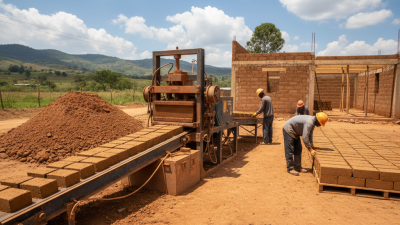
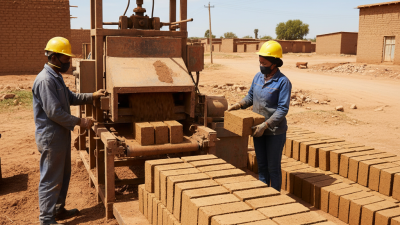
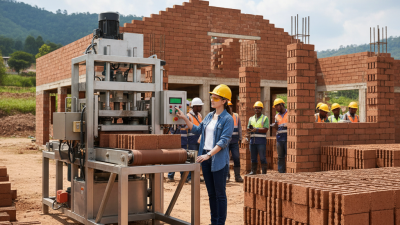
The Mud Bricks Machine is key to this process. It automates the production of mud bricks, increasing efficiency and reducing labor costs. The market for such machines is projected to grow significantly, with an expected CAGR of 7.5% over the next five years. Companies are focusing on innovations that enhance durability and insulation properties of mud bricks, addressing some common challenges faced in the construction industry.
However, not all machines are created equal. Reliability and performance can vary significantly. The right Mud Bricks Machine must balance cost and functionality. As we look toward 2026, it’s essential to critically evaluate available technologies and their long-term benefits. The future of construction might depend on these innovations.
Overview of Mud Brick Machines for Efficient Construction in 2026
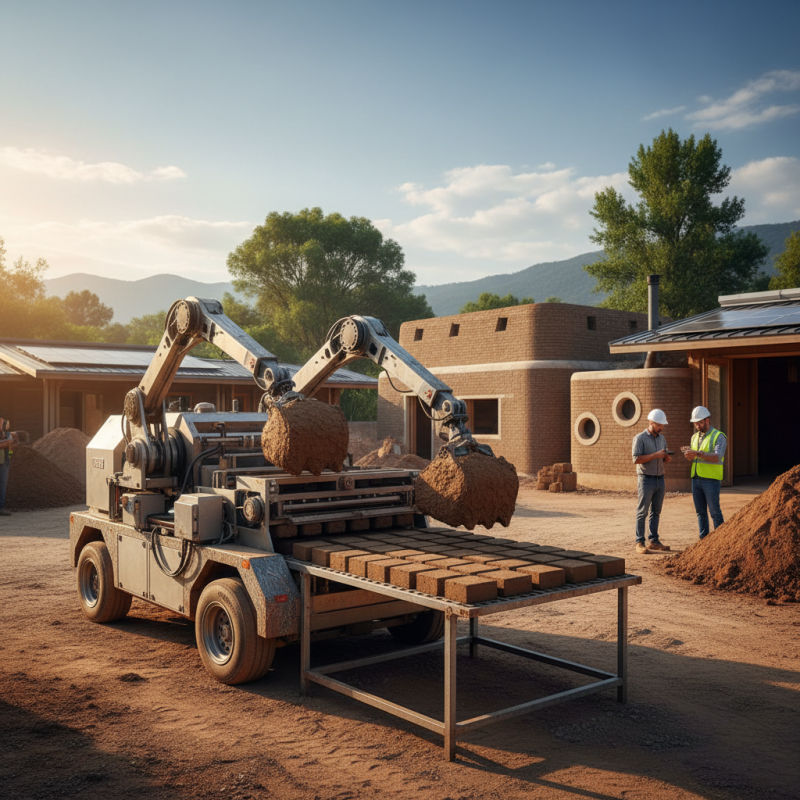
In 2026, the construction industry continues to evolve, highlighting the importance of mud brick machines. These machines play a crucial role in sustainable building practices, particularly in regions where clay is abundant. Recent studies reveal that mud bricks have an impressive thermal mass, significantly reducing heating and cooling costs in buildings. Approximately 60% of construction firms reported enhanced energy efficiency when utilizing these materials.
The efficiency of mud brick machines varies significantly. Some models can produce over 2,000 bricks per hour, streamlining the construction process. However, not every machine performs optimally in every environment. Factors like moisture content and clay quality can affect output and brick integrity. This variability means builders must carefully assess their local conditions.
Investments in advanced machinery also come with challenges. While high-tech options promise better performance, their initial costs can deter smaller enterprises. Industry reports indicate that small builders often struggle to justify these expenses, leading to a reliance on outdated machines. In contrast, well-invested companies can achieve greater precision and reduce waste, offering a clear competitive advantage. Balancing technology costs with benefits remains a critical consideration for the industry.
Types of Mud Brick Machines and Their Technological Advancements
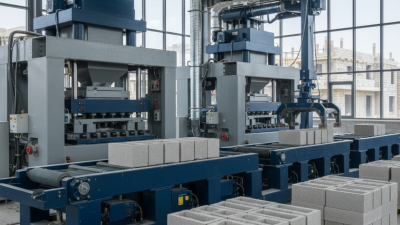
The construction industry is rapidly evolving, with mud brick machines seeing significant advancements. These machines have become essential due to their efficiency and environmental benefits. Studies show that mud brick construction uses less energy and produces fewer emissions compared to traditional methods. Modern machines can produce over 1,500 bricks per day, optimizing productivity.
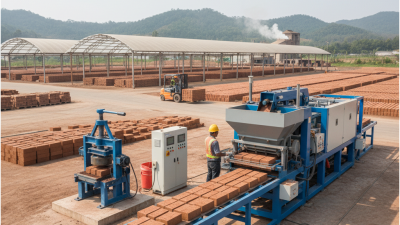
Various types of mud brick machines exist, each designed for specific construction needs. Manual hydraulic presses remain popular, yet automated models have surged in use. Automation improves consistency and reduces labor costs. A report by the International Journal of Construction Technology indicates that automated machines can increase production by up to 40%. However, capabilities of these machines differ. Some may struggle with varying soil compositions. This is a challenge that manufacturers must address for broader usability.
Technological advancements include options for computer-controlled mixing and moisture management. These innovations lead to stronger bricks with lower water content. Yet, the learning curve for operators can be steep. Training is crucial to maximize the benefits. The industry must reflect on this, balancing automation with skilled labor. As technology evolves, so must the workforce's adaptability.
Key Features to Consider When Choosing a Mud Brick Machine
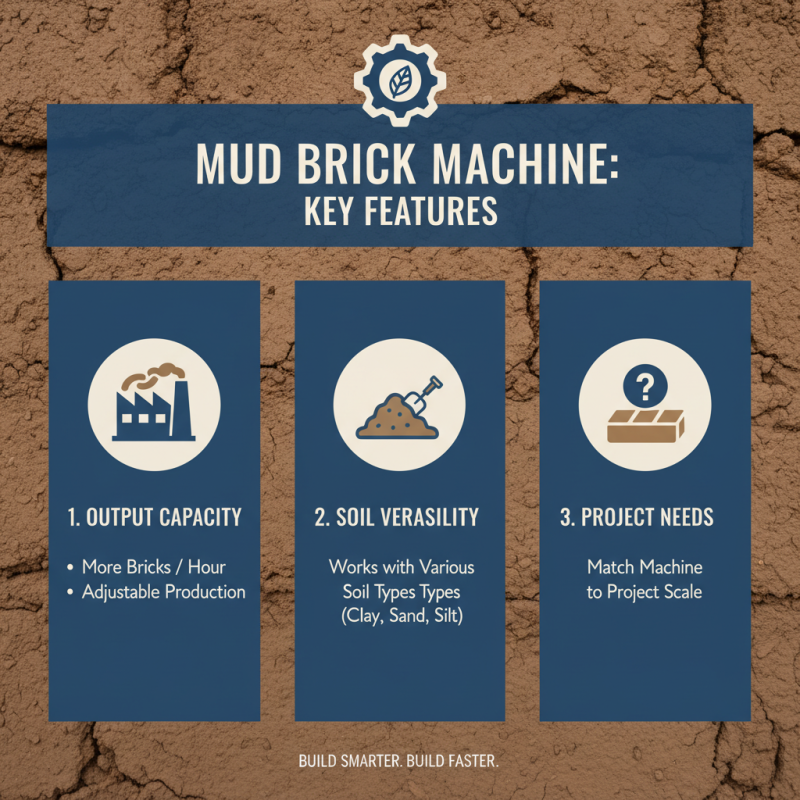
When selecting a mud brick machine, consider several key features for efficient construction. The machine's output capacity is crucial. A higher capacity means more bricks produced in less time. Look for models that allow for adjustable output to match project needs. Additionally, the type of soil used affects the machine’s performance. Machines that work well with various soil types offer flexibility.
Durability should not be overlooked. A robust machine can withstand heavy use and rough conditions. Check for user reviews that speak to long-term performance. The ease of maintenance is another factor. Machines requiring less downtime for repairs will be more productive in the long run.
**Tip: Always test a machine with your soil before purchase.** This ensures compatibility and helps avoid future issues. Pay attention to the user interface, too. A simple, intuitive design can save hard work and reduce errors. Spending time on these details can lead to a smoother construction process.
**Tip: Take note of local terrain.** If uneven, ensure the machine can handle such conditions effectively. While many machines promise high efficiency, real-world performance can be different. A thorough evaluation based on firsthand experience will guide better choices.
Benefits of Using Mud Brick Machines in Sustainable Construction
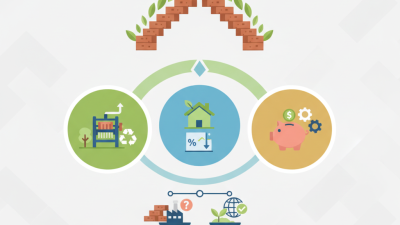
Mud brick machines play a crucial role in sustainable construction. They enable the efficient production of mud bricks, which are an eco-friendly building material. Research from the International Journal of Sustainable Engineering indicates that mud bricks have a lower carbon footprint compared to fired bricks. They require less energy for production, making them an excellent choice for environmentally conscious builders.
Beyond their environmental benefits, mud bricks also offer excellent thermal mass properties. This means buildings made from mud bricks maintain stable indoor temperatures. According to a report by the Global Alliance for Buildings and Construction, using mud bricks can reduce energy consumption in buildings by up to 30%. However, the success of mud brick construction relies heavily on proper machine calibration and local soil composition.
One challenge is that not all manufacturers produce high-quality mud brick machines. This inconsistency can lead to bricks with varying compressive strengths. Flaws such as improper moisture content can lead to breakage. Builders must test the soil and calibrate machines accordingly to ensure durability. This process could be perceived as time-consuming but is vital for achieving sustainable and energy-efficient buildings.
Top Brands and Models of Mud Brick Machines for 2026
In recent years, the demand for mud brick machines has surged, reflecting the growing interest in sustainable construction methods. The industry report from the Global Construction Materials Company indicates that the mud brick market is projected to grow by 15% annually through 2026. This rise underscores the importance of selecting the right equipment for efficient production.
Popular models in the market vary in capacity and technology. Some machines can produce up to 1,000 bricks per hour, significantly reducing labor time. One notable trend is the shift toward automated machines, which are easier to operate and maintain. However, many operators still face challenges with initial setup and ongoing maintenance. This highlights the necessity for comprehensive training and user manuals.
The landscape of mud brick manufacturing is evolving. New models integrate eco-friendly features that utilize less energy and raw materials. Yet, achieving consistency in brick quality remains a common issue. Variability in soil composition often impacts the final product. Operators should conduct regular soil tests to optimize production and minimize waste. Investing time in understanding these variables can enhance overall output quality.