Top Cement Block Machine Manufacturers in China for Global Buyers?
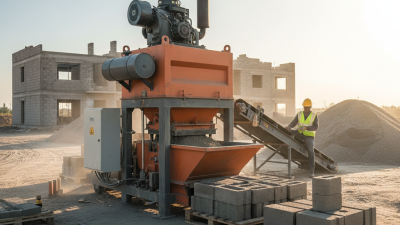
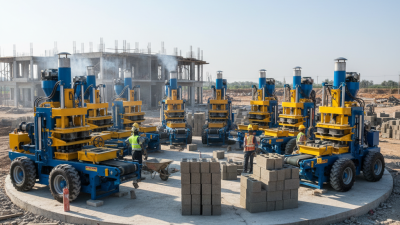
Cement block machines play a crucial role in modern construction. These machines are essential for producing concrete blocks used in building projects worldwide. In China, several manufacturers stand out for their quality and innovation. They have grown to meet the increasing global demand for efficient construction solutions.
China's cement block machine manufacturers offer diverse options that cater to various needs. They provide machines that range from manual models to fully automatic systems. This variety allows buyers to choose based on their specific requirements and project scales. However, it is important to evaluate each manufacturer carefully. Not all machines deliver the same quality or efficiency.
While many manufacturers boast advanced technology, some may not meet international standards. Prospective buyers should conduct thorough research to assess each company’s reputation and reliability. Understanding these factors can help avoid potential pitfalls. Investing in a cement block machine requires thoughtful consideration of both performance and reliability.
Overview of the Global Cement Block Machine Market
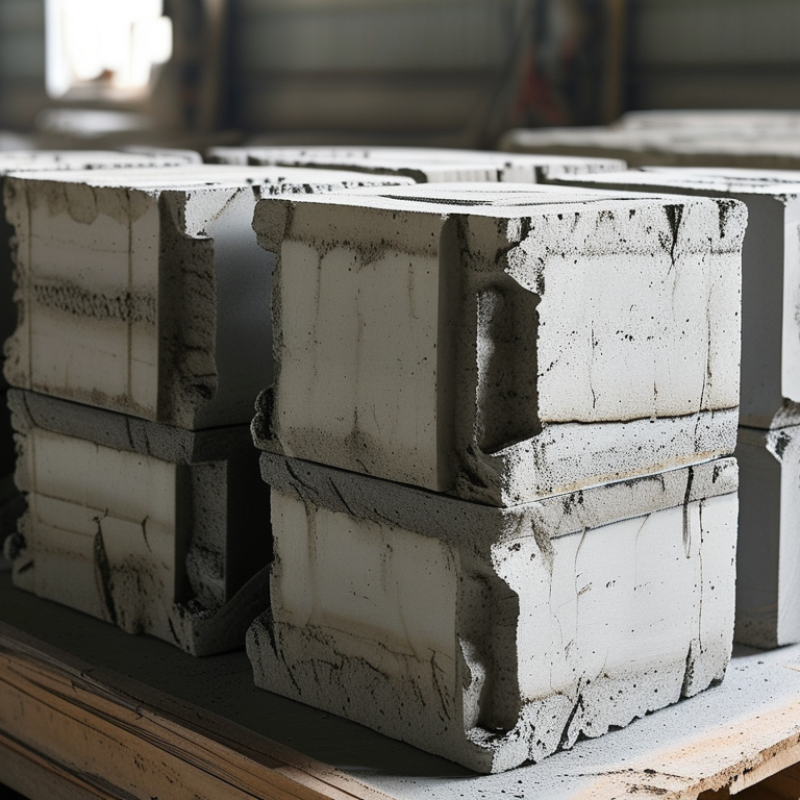
The global cement block machine market is experiencing significant growth, driven by urbanization and construction needs. In 2022, the market was valued at approximately $1.2 billion, with expectations to reach $1.9 billion by 2030. This shift highlights a surge in demand, especially in developing economies. The rise in infrastructure projects is fuelling this trend.
China plays a crucial role in this sector, being a major manufacturer of cement block machines. Companies in the region leverage advanced technologies and competitive pricing. A report indicated that China's export of cement machinery reached over $300 million in 2022, a clear sign of its market influence. However, challenges remain, such as stringent environmental regulations and fluctuating raw material prices. These factors can complicate production and profitability.
Emerging markets offer ample opportunities for global buyers. However, potential investors need to evaluate quality and technological capabilities. There can be disparities among manufacturers. Additionally, reliability in supply chains is often inconsistent. Therefore, research and careful consideration are essential for making informed decisions in this dynamic market landscape.
Key Features and Technologies of Cement Block Machines
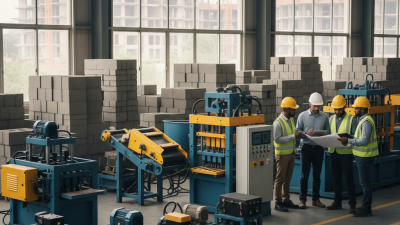
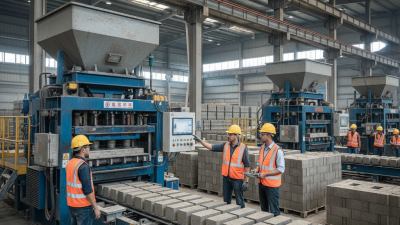
Cement block machines are crucial for construction. They are designed to produce durable and strong blocks. Many manufacturers in China focus on innovative features. These machines vary in automation levels, allowing flexibility for different production scales.
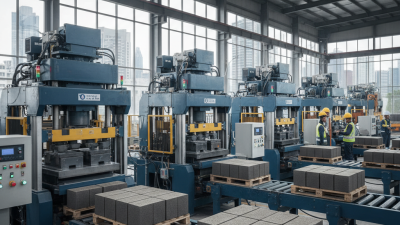
Advanced technologies are applied in cement block machines. Some machines feature fully automated processes, increasing efficiency. Others offer manual or semi-automatic options, catering to smaller businesses. The use of high-performance hydraulic systems enhances block density. This results in better material quality.
Moreover, modern machines often incorporate energy-saving technologies. They can reduce operational costs over time. However, the complexity of some machines can be overwhelming for new users. Training is essential for effective operation. Understanding the machine's capabilities is vital. Users must navigate both potential and limitations for optimal performance.
Top Cement Block Machine Manufacturers in China
China has become a leading hub for cement block machine manufacturing, catering to global buyers. A recent industry report indicates that the cement block machine market is projected to grow at a CAGR of 7.5% from 2022 to 2030. This growth is driven by increasing demands in construction and infrastructure projects worldwide. Quality and innovative technology are critical factors for buyers looking for reliable manufacturing partners.
In the competitive landscape, companies focus heavily on automation and efficiency. Advanced machines can produce thousands of blocks per day. However, not all manufacturers meet these high standards. Many buyers face challenges in identifying the right supplier. Ensuring equipment durability and after-sales service is essential. It's vital for buyers to conduct thorough research and analysis.
Some manufacturers may promise unrealistic production rates. This can lead to disappointment and financial loss. International buyers must prioritize quality certifications and user feedback. Investing time in understanding each manufacturer’s capabilities can save future complications. Keeping in mind the evolving technology will also play a significant role in making an informed choice.
Comparative Analysis of Leading Chinese Manufacturers
When analyzing the cement block machine industry in China, several key manufacturers stand out. The Chinese cement block industry is vast, with a market size projected to reach over $30 billion by 2025. Various manufacturers cater to an international clientele, emphasizing cost-effective solutions and innovative technologies.
A comparative analysis reveals distinct offerings among leading companies. Some specialize in fully automated machines with remarkable output rates, while others focus on energy efficiency, consuming up to 20% less energy than their conventional counterparts. Data indicates that producers who adopt sustainable practices can reduce operational costs significantly. However, not all manufacturers meet stringent quality standards, leading to inconsistencies in product durability.
Additionally, customer feedback highlights the importance of after-sales support. Many buyers express dissatisfaction with inadequate service responses, which can lead to prolonged operational downtimes. This shows a need for manufacturers to invest more in client relations and support structures. Overall, navigating the competitive landscape requires considering both technological advancements and customer service as vital components in selecting the right cement block machine source.
Factors to Consider When Choosing a Cement Block Machine Supplier
When selecting a cement block machine supplier, buyers should weigh various critical factors. The industry is rapidly evolving, with a shift toward automation and eco-friendly practices. According to a report by Grand View Research, the global concrete block market is expected to reach USD 1.18 trillion by 2025. This growth signifies the importance of choosing a supplier who understands current trends and innovations.
One essential aspect is the supplier’s technical support. Reliable manufacturers often provide after-sale services and technical guidance. These services ensure that your machine operates efficiently over time. Inadequate support can lead to operational downtime. Skill gaps in your team can further complicate machine usage, an issue often overlooked in supplier evaluations.
Additionally, consider the supplier's manufacturing standards. Suppliers should adhere to ISO certifications and quality assurance protocols. Machines that meet these standards are generally more reliable. However, some suppliers may prioritize low costs over quality, leading to future maintenance issues. It's vital to strike a balance between cost and quality for long-term benefits. Take time to assess the supplier’s track record and client feedback for a comprehensive view.