2026 How to Choose the Best Electric Block Machine for Your Needs?
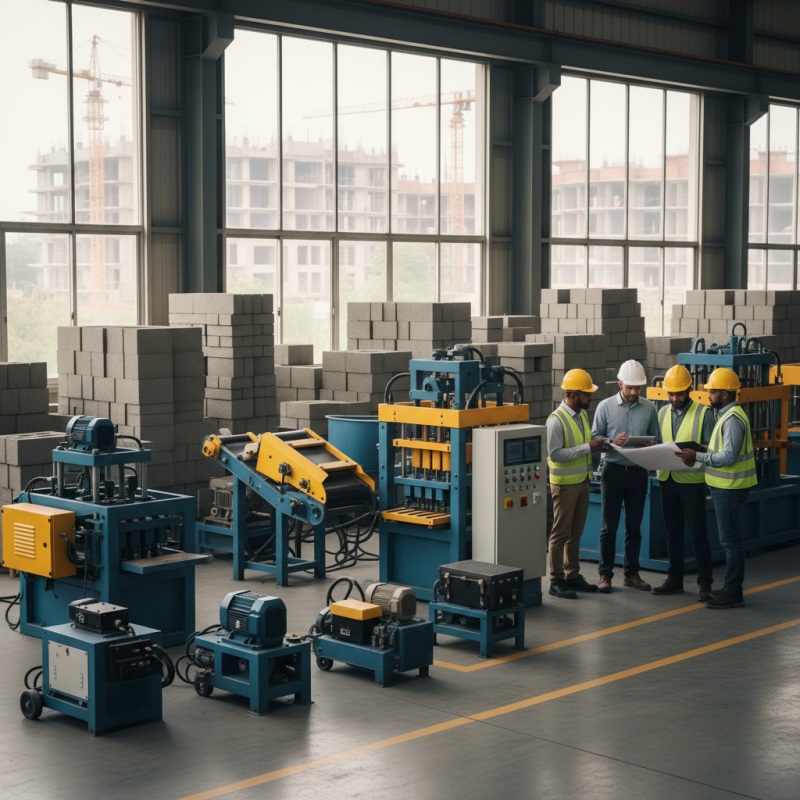
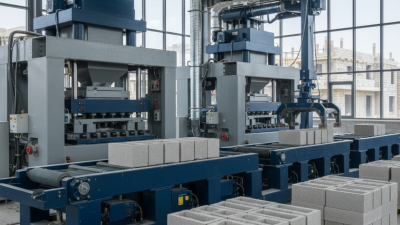
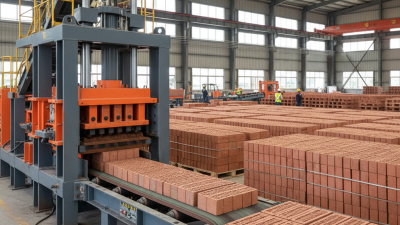
Choosing the right Electric Block Machine is crucial for achieving efficiency in construction projects. These machines play a significant role in producing concrete blocks of various sizes and types. The right choice can impact the final product's quality and overall productivity.
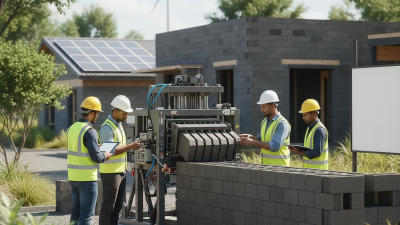
When selecting an Electric Block Machine, consider your specific needs. Think about the scale of your operations and the type of blocks you intend to produce. A compact machine might work for small projects, while larger operations may require more advanced models. Keep in mind that some machines can be complicated to operate.
Reflecting on the performance of your Electric Block Machine will be important after purchase. Regular evaluations can help determine if the machine meets your expectations. Don't overlook factors like maintenance and available support services. Making an informed choice today can save you time and money in the future.
Understanding Electric Block Machines and Their Applications
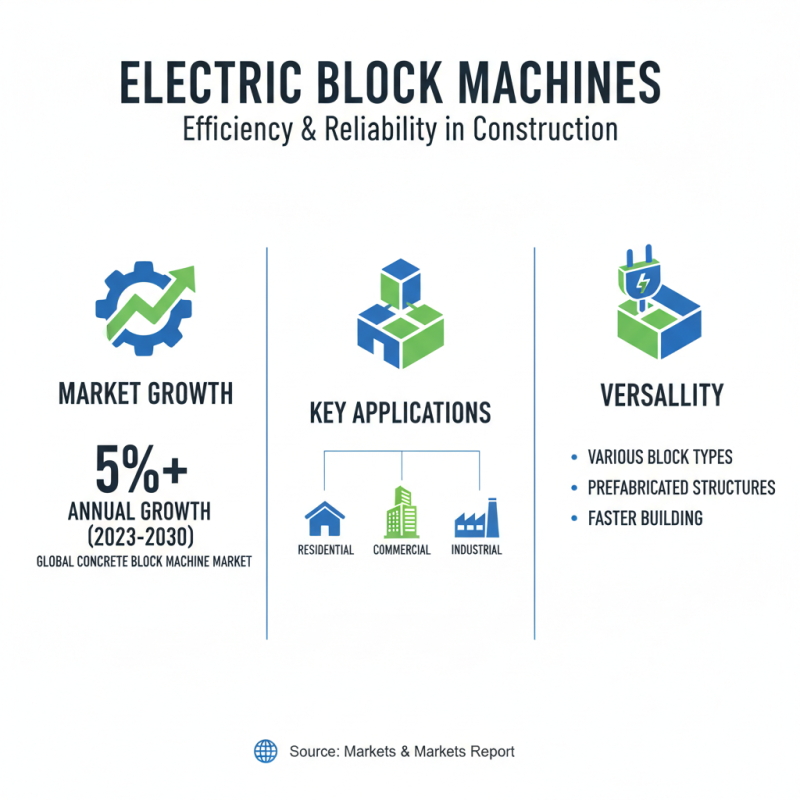
Electric block machines are crucial in construction, offering efficiency and reliability. According to a recent report by Markets and Markets, the global market for concrete block machines is projected to grow by over 5% annually. This growth signifies the increasing demands for prefabricated structures. Electric block machines are versatile and can produce various block types, catering to residential, commercial, and industrial needs.
Choosing the right electric block machine depends on your specific requirements. Consider the production capacity and the types of blocks you need. Look for machines that provide ease of use and maintenance. Compact machines may be suitable for small projects, while larger machines suit significant construction endeavors.
**Tips:** Evaluate the required power supply to ensure it aligns with your machine choice. Take note of the warranty and after-sales support. Sometimes, manufacturers provide limited support which can be a concern later on. Reflect on whether upgrading your machine or maintaining an older model serves your needs better. Always gather data from multiple sources before making a decision.
Key Features to Consider When Selecting an Electric Block Machine
When selecting an electric block machine, several key features should be prioritized. Pay attention to the machine's capacity. If you're producing blocks in bulk, choose a model that offers high output. Be mindful of the production rate and the sizes of blocks it can create. This affects efficiency and meeting demand.
Consider the machine's energy consumption. An efficient model can significantly reduce operational costs over time. Look for machines designed with energy-saving technology. It's essential to evaluate the **ease of operation**. A user-friendly control panel can streamline production and lessen training time for new operators. However, simplicity should not compromise functionality.
Additionally, assess the durability and material quality of the machine. Poorly built machines may lead to frequent repairs and downtime. It's valuable to check reviews or request testimonials to gauge long-term reliability. A machine should enhance productivity but may require adjustments based on specific needs. Reflecting on your requirements will guide you in making the best choice.
Comparing Different Types of Electric Block Machines on the Market
When exploring electric block machines, consider the various types available. There are several categories, each with unique features. Manual machines offer simplicity. They require physical input but are often more affordable. Automatic machines, on the other hand, provide efficiency and speed. They can produce blocks rapidly, but they may need a larger budget.
Hydraulic block machines are another option. These machines use hydraulic pressure to form blocks. They are known for their strength and precision. However, they require regular maintenance, which can be a hassle. Additionally, semi-automatic machines fall between manual and automatic machines. They require some manual labor but still provide better efficiency.
It's essential to identify your needs before choosing a machine. Think about your production volume. Are you looking for high output or a more manageable option? It's common to overlook energy consumption as well. Some machines may consume more power than expected. Reflect on your budget and potential running costs. Always weigh the overall value against your specific needs. Each type of machine has its pros and cons. Make sure you choose wisely.
2026 How to Choose the Best Electric Block Machine for Your Needs?
| Type of Electric Block Machine |
Power Consumption (kW) |
Production Capacity (blocks/hour) |
Weight (kg) |
Average Price (USD) |
| Automatic Block Machine |
30 |
1200 |
4000 |
25,000 |
| Semi-Automatic Block Machine |
15 |
800 |
2500 |
15,000 |
| Manual Block Machine |
5 |
400 |
1200 |
5,000 |
| Hydraulic Block Machine |
25 |
1000 |
3500 |
20,000 |
| Mobile Block Machine |
10 |
600 |
1500 |
10,000 |
Assessing Your Project Needs and Budget for an Electric Block Machine
Choosing the right electric block machine requires a clear understanding of your project's needs and budget. Begin by defining the specifications of the blocks you intend to produce. Consider the size, shape, and quantity necessary for your project. This will help narrow down your options and ensure you select a machine that meets these criteria.
Tips: Assess the production capacity. Some machines are designed for high output, while others suit small-scale projects. Match the capacity with your production goals. Factor in the available workspace, as certain machines require more room.
Budget is another critical element. Determine how much you're willing to invest upfront. Remember, cheaper options may compromise quality or lifespan. Review potential operating costs, such as electricity and maintenance. Understand that high efficiency may save you money in the long run. Reflect on what sacrifices you are willing to make in terms of performance versus cost. This reflection could lead to finding the best balance for your needs.
Maintenance and Support: Ensuring Longevity of Your Electric Block Machine
Maintenance is key to the longevity of your electric block machine. Regular servicing ensures optimal performance and helps prevent costly breakdowns. Start by creating a maintenance schedule. This will remind you when to check parts and perform necessary tasks.
Tips: Clean the machine regularly. Dust and debris can affect its efficiency. Pay attention to the motor and wiring. Any frayed wires should be replaced immediately.
Keep an eye on the hydraulic system. Check for leaks or pressure inconsistencies. These can signal potential issues that need addressing. Don't overlook the manual; it contains essential maintenance tips specific to your machine.
Regularly inspect the moving parts. Lubrication can reduce wear over time. Neglecting this can lead to accelerated wear and tear. A visual check can help catch issues early.
Remember, a well-maintained machine is a productive machine.