How to Choose the Right Diesel Block Machine for Your Construction Needs?
When selecting a Diesel Block Machine for construction projects, it’s essential to consider various factors. The global construction machinery market reached $167 billion in 2021, as reported by Grand View Research. Diesel Block Machines play a crucial role in this industry, particularly in creating durable concrete blocks. Yet, choosing the right model can be daunting.
Many factors affect the selection process. For example, machine efficiency, production capacity, and operational costs are critical. According to a report from Statista, about 35% of construction companies prioritize equipment longevity and reliability. This finding indicates that decisions must balance cost with long-term value.
Additionally, understanding your specific construction needs is vital. Each project may require a different output or block type. Reflecting on past experiences can guide this choice, as reviews often highlight performance nuances among different brands. Ultimately, selecting a Diesel Block Machine is not just about immediate productivity. It's about investing in equipment that meets future project demands efficiently and sustainably.
Key Factors to Consider When Selecting a Diesel Block Machine
When selecting a diesel block machine, several key factors come into play. Understanding your construction needs is paramount. For instance, the production capacity of the machine is crucial. According to industry reports, machines can produce anywhere from 1,000 to 10,000 blocks per day. A project requiring high volume must align with a machine's specifications.
Operational efficiency is another critical aspect. Diesel block machines are known for their fuel efficiency. Data shows that modern machines can yield up to 90% efficiency compared to older models. However, users should remain aware of maintenance requirements. Regular upkeep is vital to ensure consistent performance. Neglecting this can lead to costly downtimes and reduced output.
Lastly, consider the machine's mobility. Some projects may require transportation across different sites. A compact design can facilitate easy transport and setup. Yet, compromises on size might affect production capacity. Balancing size and capability often requires careful evaluation, reflecting unique project demands. Investing time in thorough research will better inform your choice.
Types of Diesel Block Machines and Their Applications in Construction
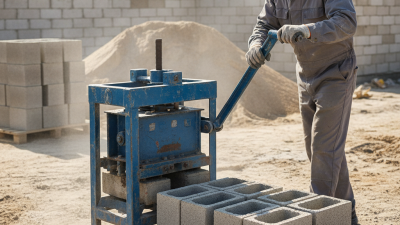
When selecting a diesel block machine for construction, it’s vital to understand the different types available and their specific applications. Commonly, there are three main types: manual, semi-automatic, and fully automatic machines. Manual machines are simple and cost-effective. They are ideal for small projects but can be labor-intensive and time-consuming.
On the other hand, semi-automatic machines provide better efficiency and reduce labor costs. Reports indicate that these machines can produce up to 600 blocks per day, significantly boosting productivity for medium to large-scale construction. Fully automatic machines offer the highest production rates, often exceeding 1,000 blocks daily. However, they require a larger investment and specialized training to operate.
It's essential to reflect on project needs. While a manual machine may suffice for small operations, larger projects could benefit from semi-automatic or fully automatic options. The balance of cost, efficiency, and required workforce plays a crucial role in decision-making. Make sure to evaluate all factors for optimal selection.
How to Choose the Right Diesel Block Machine for Your Construction Needs?
| Type of Diesel Block Machine |
Application |
Production Capacity (Blocks/Day) |
Power Consumption (kW) |
Weight (kg) |
| Manual Diesel Block Machine |
Small-scale projects and DIY |
200-300 |
3-5 |
400 |
| Semi-automatic Diesel Block Machine |
Medium-sized construction projects |
800-1200 |
5-8 |
600 |
| Fully Automatic Diesel Block Machine |
Large-scale commercial projects |
3000-5000 |
15-20 |
1200 |
| Mobile Diesel Block Machine |
On-site construction and remote areas |
500-800 |
4-6 |
650 |
Evaluating Production Capacity and Efficiency of Diesel Block Machines
When evaluating the production capacity of diesel block machines, consider the output rate. Machines vary significantly in their capabilities. Some can produce hundreds of blocks per hour, while others may only manage dozens. This difference impacts your project timeline. A machine that works faster may save you time and labor costs during busy construction periods.
Efficiency goes hand in hand with production capacity. Are you looking for a machine that operates with minimal fuel consumption? Fuel efficiency contributes directly to operational costs. A machine that uses less fuel during the manufacturing process can offer long-term savings. However, be aware of the potential trade-offs. Higher efficiency may come at a premium price. Balancing cost against efficiency is crucial.
In real-world applications, you might find that even top-rated machines require adjustments. Maintenance needs can vary, affecting output over time. It’s essential to factor in reliability. A machine that frequently breaks down or underperforms can lead to significant delays. Your investment should support your long-term goals. Aim for a machine that not only meets your current needs but adapts as your business grows.
Cost Analysis: Budgeting for Your Diesel Block Machine Purchase
When considering the purchase of a diesel block machine, budgeting is crucial. It's not just about the initial costs; ongoing expenses add up. Assess your overall budget, including machine price, shipping, and installation fees. Maintenance costs should also factor into your decision-making.
Tip: Research available models thoroughly. Compare features and prices from diverse sources. This can help you uncover hidden costs or savings. Also, seek advice from industry experts to gain insights into durability and performance.
Consider energy consumption. Diesel machines can be costly to run. Evaluate how this impacts your overall budget over time. Sometimes, a cheaper machine may lead to higher operational costs. Balancing upfront and long-term expenses is key.
Tip: Don't rush your decision. Consult multiple vendors and request detailed quotes. Knowing what other buyers are paying can enhance your negotiating position. Make informed choices to secure the best deal for your construction needs.
Cost Analysis of Diesel Block Machines
This bar chart illustrates the cost analysis for different sizes of diesel block machines that you might consider for your construction needs. The costs vary based on machine size, with small machines averaging around $15,000, medium machines around $30,000, and large machines approximately $60,000.
Maintenance and After-Sales Support for Diesel Block Machines
When selecting a diesel block machine, it's important to consider maintenance and after-sales support. A reliable machine is only as good as the service that backs it up. Regular maintenance ensures optimal performance and longevity. Without proper care, minor issues can escalate into major repairs. The availability of support is crucial.
Look for suppliers offering comprehensive after-sales services. This includes routine check-ups and quick response times for repairs. Having access to skilled technicians can make a significant difference. You want to be sure the support team understands your machine inside and out. It’s worth examining their track record and customer feedback before making a choice.
Potential challenges can arise during operation. Anticipating these helps in decision-making. Sometimes, parts may not be readily available. This can lead to downtime that affects project timelines. Choose a supplier who prioritizes your needs and provides a clear maintenance plan. Investing the time to evaluate these aspects can save frustration later.