How to Choose the Best Clay Bricks Machine for Your Needs?
Choosing the right Clay Bricks Machine is crucial for any manufacturer aiming for efficiency and quality. In the global market, the demand for clay bricks continues to grow, with a projected annual growth rate of 4.5% from 2023 to 2028, according to a report by Research and Markets. This trend underscores the importance of investing in an appropriate machine that meets specific production needs.
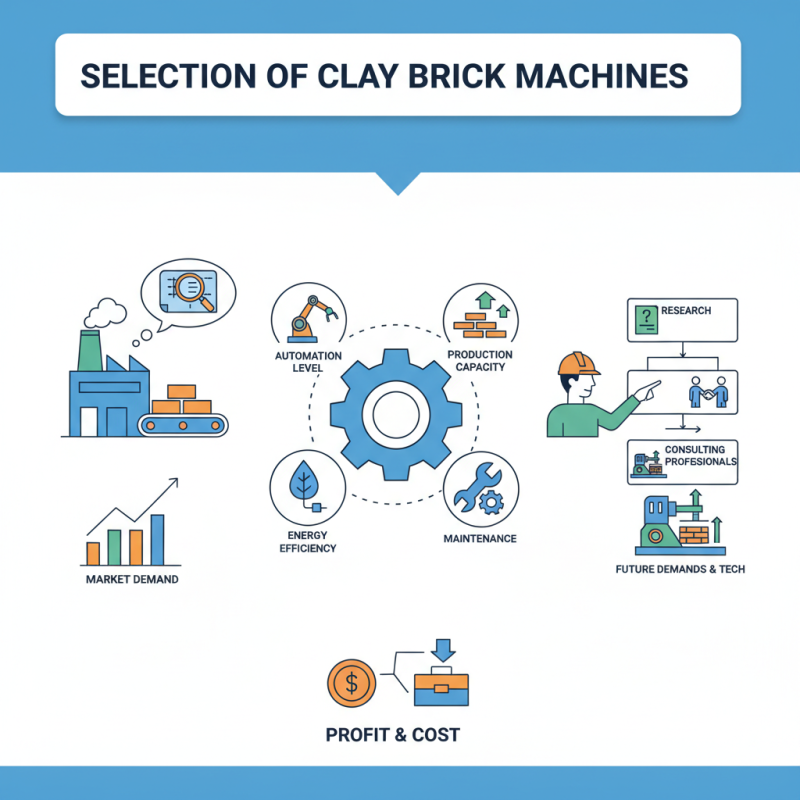
Industry expert Dr. James Reynolds emphasizes the significance of understanding your operational requirements. He said, "Selecting the right machine can significantly impact your output and profit margins." A Clay Bricks Machine not only influences the production speed but also affects the quality of the end product. Factors such as automation level, production capacity, and energy efficiency must be considered carefully.
Additionally, manufacturers often overlook the long-term costs associated with maintenance and operational efficiency. Therefore, conducting thorough research and consulting with industry professionals can prevent costly mistakes. Choosing a suitable Clay Bricks Machine is not just about immediate needs; it requires foresight into future demands and technological advancements.
Understanding Different Types of Clay Brick Machines Available
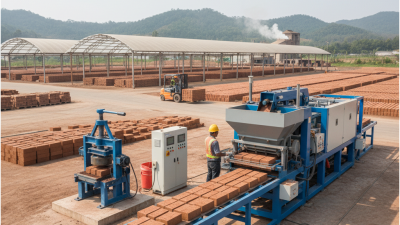
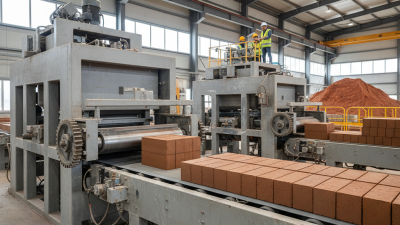
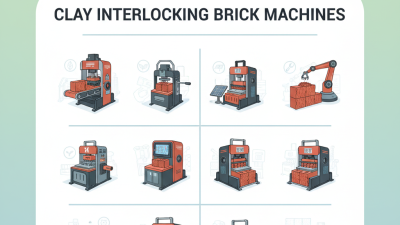
When selecting a clay brick machine, understanding the types available is crucial. Two main categories are extruders and mold machines. Extruders compress clay to form a continuous column that is cut into bricks. They are often more efficient, with reports showing they can produce up to 30,000 bricks a day. Mold machines, on the other hand, use molds to shape individual bricks. They typically produce fewer bricks but can offer more design flexibility.
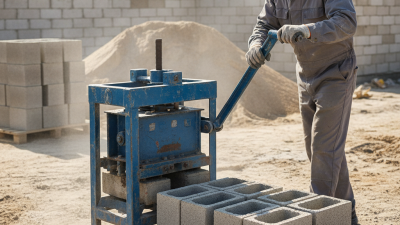
Each machine type has unique features. For instance, double-stage extruders enhance clay preparation, removing impurities. This could lead to stronger bricks, increasing longevity. However, they often require higher initial investment and more complex maintenance. Mold machines may be easier to operate and maintain, making them a good option for small businesses. Yet, they might lack the output capacity of extruders, limiting scalability.
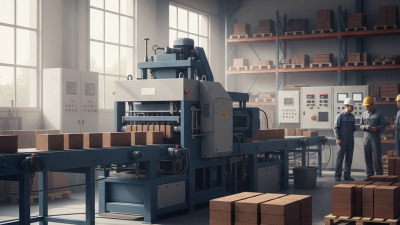
Modern technology like automated controls is changing the landscape. Machines with automation options can increase efficiency and reduce labor costs. Yet, not every business needs such advanced technology. Assessing your production needs versus budget constraints is essential. Ultimately, the best choice depends on specific requirements and future growth plans. This reflection on personal and business needs can guide you towards the best decision.
Key Features to Consider When Choosing a Clay Brick Machine
Choosing the right clay brick machine is crucial for efficiency and quality. One key feature to examine is the production capacity. Different machines offer varying output levels. Assess your business needs. Will a high-capacity machine be necessary? Consider the volume you plan to produce daily.
Another important aspect is automation. Fully automated machines reduce manual labor but come with a higher cost. Evaluate if you have skilled operators to manage a semi-automated model. Ease of operation also matters. Choose a machine that is user-friendly. Complexity can lead to errors and increased downtime.
Durability and maintenance are significant factors. Look for machines built with robust materials. They should withstand long-term usage. Regular maintenance requirements can affect your production schedule. Sometimes, machines are not designed for easy servicing. This might require extra time and resources, causing interruptions in production. Evaluate the long-term implications of each option carefully.
Evaluating Production Capacity and Efficiency Requirements
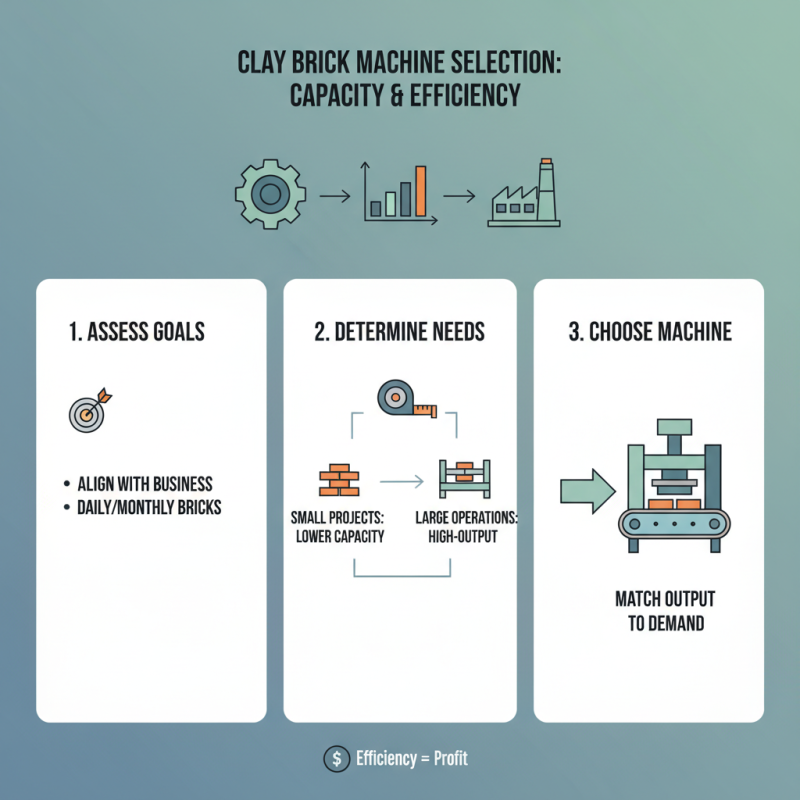
When choosing a clay bricks machine, assessing production capacity and efficiency is crucial. The machine's output must align with your business goals. Identify your daily or monthly brick production requirements. For small projects, a machine with lower capacity may suffice. However, a larger operation demands a high-output model.
Efficiency is another vital factor. Look for machines that minimize energy consumption. A machine that uses less power can significantly reduce operational costs. Consider features like automated controls. Such features often enhance precision and boost productivity. Yet, be cautious: more automation might lead to higher costs initially.
Inspecting the efficiency of different models can be tricky. Not all machines perform as advertised. It's essential to seek user reviews and expert opinions. Your choice should not solely depend on specifications; real-world performances matter. First-hand feedback often reveals potential challenges, such as maintenance issues. This reflection will help you make a more informed decision for your unique needs.
Assessing Budget and Cost-Effectiveness of Brick Machines
When assessing the budget for a clay bricks machine, it's crucial to understand the total cost of ownership. This includes initial purchase price, maintenance, and operational expenses. A lower-priced machine may save you money initially but could lead to higher costs later due to repairs or inefficiencies. Evaluating the long-term value is essential.
Consider how the machine fits your production capacity needs. If you foresee rapid growth, investing in a machine with higher efficiency may justify a larger upfront cost. Evaluate the local market's demand for bricks to ensure you won’t be over-investing in capacity.
Tips: Always ask for detailed specifications. Make sure to compare different machines based on their features, energy usage, and output rates. Keep in mind that sometimes, cheaper machines come with limitations that could slow down production.
Research potential suppliers thoroughly. Look for testimonials or case studies from other users. This can provide valuable insights into the reliability of the machine and the manufacturer's support. A well-informed decision will help you to avoid regrets down the line.
How to Choose the Best Clay Bricks Machine for Your Needs? - Assessing Budget and Cost-Effectiveness of Brick Machines
| Machine Type |
Production Capacity (Bricks/Hour) |
Cost (USD) |
Power Requirement (kW) |
Durability (Years) |
Cost-Effectiveness Rating (1-10) |
| Automatic Clay Brick Machine |
2000 |
$25,000 |
15 |
10 |
9 |
| Semi-Automatic Clay Brick Machine |
1500 |
$15,000 |
10 |
8 |
8 |
| Manual Clay Brick Press |
800 |
$3,000 |
5 |
5 |
7 |
| Hybrid Brick Machine |
1200 |
$20,000 |
12 |
9 |
8 |
Exploring Maintenance and Support Options for Clay Brick Equipment
When investing in clay brick equipment, maintenance and support are crucial factors. Regular maintenance helps ensure optimal performance and longevity. Regular cleaning and recalibration can prevent costly breakdowns. Manufacturers should provide detailed maintenance guidelines. Lack of clarity in these instructions can be frustrating. Consider attending training sessions to familiarize yourself with maintenance practices.
Support options also play a significant role. Evaluate the availability of customer support. Rapid response to inquiries and issues can minimize downtime. It's essential to know if support is available during your operational hours. Some manufacturers offer remote assistance, which can be a significant advantage. Ensure that you can access spare parts easily. A delayed replacement can halt production.
Lastly, gathering feedback from current users can help you refine your choice. Their experiences can reveal potential shortcomings that aren't obvious at first glance. A well-rounded approach to maintenance and support can enhance your machinery's performance. Reflect on your specific needs and the resources available to you. This will guide you in making an informed decision.