Leave Your Message

What is a Concrete Block Machine and How Does it Work?

The Concrete Block Machine industry plays a crucial role in modern construction. According to industry expert Dr. Emily Carter, "The efficiency of Concrete Block Machines has revolutionized how we approach building materials." This statement highlights the innovation driving this sector.

Concrete Block Machines are essential for producing durable and standard-compliant blocks. These systems streamline the manufacturing process, allowing for faster production while maintaining high quality. However, challenges exist, such as the need for constant maintenance and the fluctuating prices of raw materials.

Investing in a Concrete Block Machine requires careful consideration. Businesses must weigh productivity against operational costs. The benefits are clear, but so are the potential setbacks. Understanding these dynamics is vital for anyone in the industry.
What is a Concrete Block Machine and How Does it Work?

What is a Concrete Block Machine?

What is a Concrete Block Machine and How Does it Work?

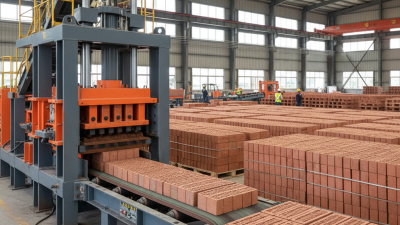
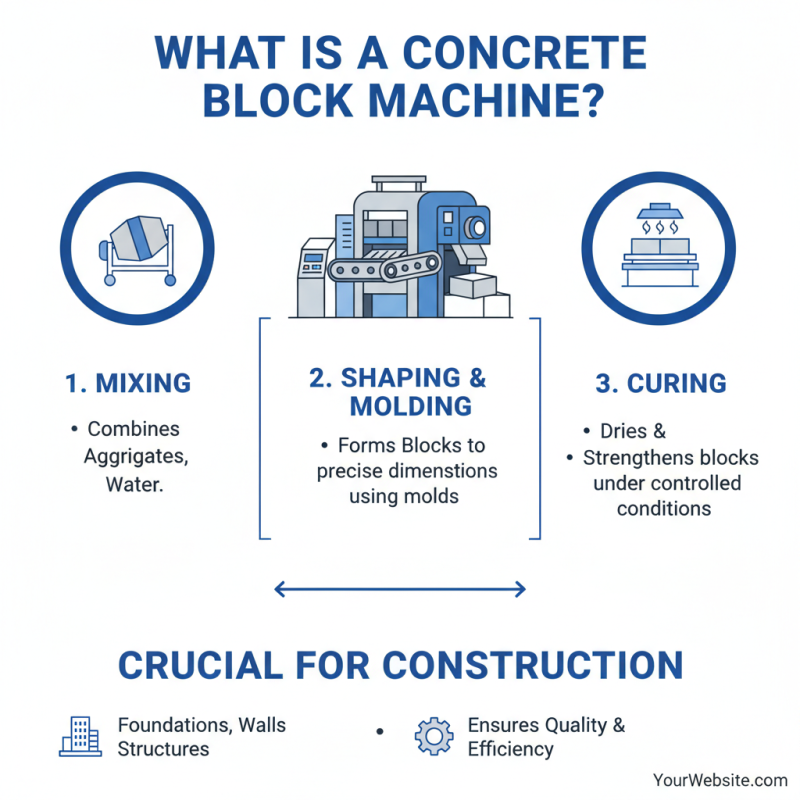
A concrete block machine plays a crucial role in construction. It is designed to create concrete blocks used for building foundations, walls, and various structures. These machines operate by mixing concrete, shaping it into blocks, and then curing them. The process requires precise control to ensure quality blocks.

The core components of a concrete block machine include a hopper, mixer, and mold. First, raw materials are fed into the hopper. Then, they are mixed in the machine to achieve a consistent blend. The mixture is then pressed into molds to form specific shapes and sizes. After this, the blocks are removed and cured for strength.

Understanding the functionality of these machines is essential for construction projects. Many operators face challenges related to consistent block quality. Occasionally, issues arise from varying material quality or improper settings. This demands careful monitoring and adjustments during the production process. While concrete block machines significantly improve efficiency, they also require skilled operation for optimal results.
The Basic Components of a Concrete Block Machine

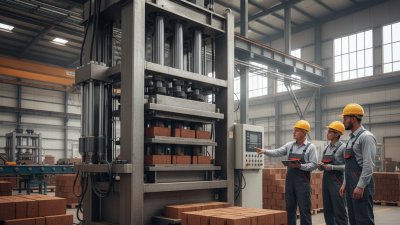
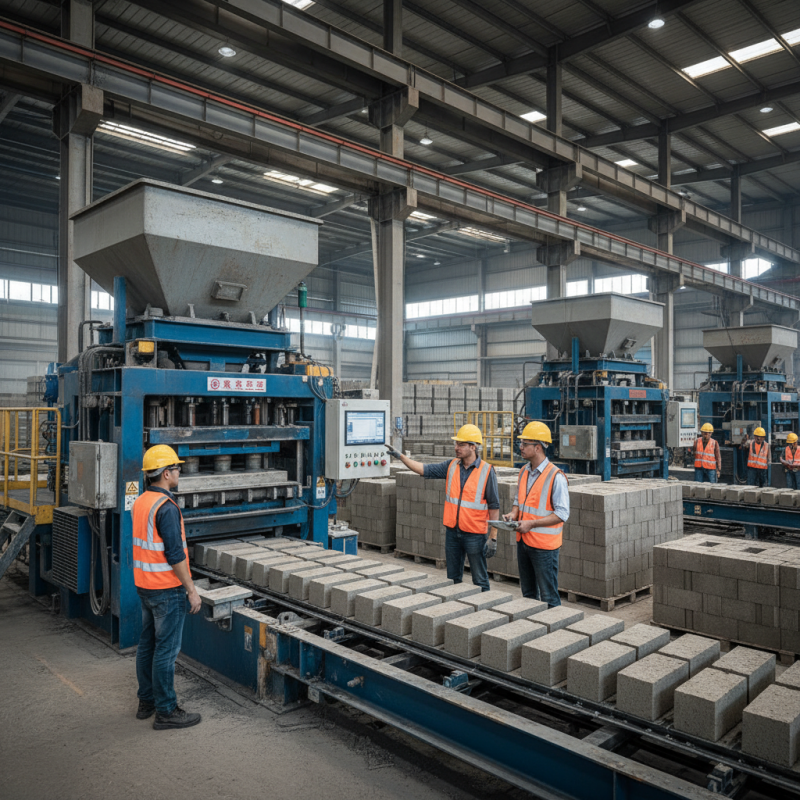
A concrete block machine is essential for producing high-quality concrete blocks. Understanding its basic components is crucial to comprehend its functionality. The machine typically consists of a mixer, a block mold, and a hydraulic system.

The mixer blends cement, water, and aggregates into a uniform mixture. This mixture is then poured into molds. These molds shape the concrete into blocks of various sizes. The hydraulic system applies pressure to ensure the blocks are compact and strong. With proper design, these components work together to create durable blocks.

However, manufacturing concrete blocks is not without challenges. The consistency of the mix must be carefully controlled. If the ratio of materials is off, it can lead to weak blocks. Additionally, maintenance of the machine is vital to avoid breakdowns. Regular checks on the hydraulic system, for instance, can prevent costly downtimes. Understanding these components and their interactions is only the beginning. There is always room for improvement in efficiency and block quality.

Concrete Block Machine Production Overview

This chart illustrates the production of concrete blocks over four quarters of a year. The data shows a steady increase in production, reflecting the growing demand in the construction industry.

How Concrete Block Machines Operate: The Process Explained

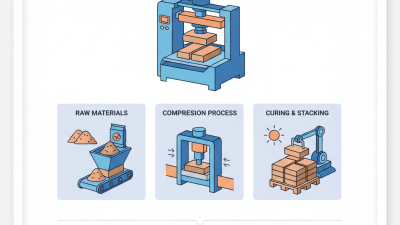
Concrete block machines play a crucial role in construction, producing durable blocks for buildings. These machines operate through a series of steps. First, raw materials, such as cement, sand, and gravel, are mixed together to create a uniform concrete mixture. This mixture is then fed into the machine's hopper, ready for the next phase.

Once the mixture is in place, the machine molds it into blocks. The molding process involves compressing the concrete under high pressure. This ensures that the blocks are not only dense but also uniform in size and shape. After molding, the blocks must be cured. Curing can take several hours to days. Factors like temperature and humidity can affect the curing time, making it essential to monitor these conditions carefully.

While concrete block machines provide efficiency, they also pose challenges. Operators need to maintain the equipment regularly. Any negligence can lead to poor-quality blocks. Additionally, understanding the right mix ratios is critical. Small deviations can result in weak blocks that may not meet structural standards. Therefore, expertise in both the operation of the machine and the science of concrete is vital for optimal results.

What is a Concrete Block Machine and How Does it Work?

Feature Description Benefits Applications
Automation The machine automates the mixing, molding, and curing of concrete blocks. Increased efficiency and reduced labor costs. Construction of walls, pavements, and precast structures.
Types Several types exist, including manual, semi-automatic, and fully automatic machines. Versatile options for different scales of production. Various construction projects depending on machine type.
Components Key components include a mixer, conveyor belts, molding machine, and curing area. Ensures consistent quality and production speed. Large scale concrete block production.
Production Process Involves mixing ingredients, shaping blocks, and curing them for strength. Results in high durability and low defect rates. Used in residential, commercial, and industrial construction.
Output Capacity Varies from hundreds to thousands of blocks per day. Scalable to meet project demands. Ideal for contractors with large-scale job sites.

Types of Concrete Block Machines and Their Applications

Concrete block machines are essential in the construction industry. They produce concrete blocks for a variety of applications. Different types of machines are tailored to meet specific demands.

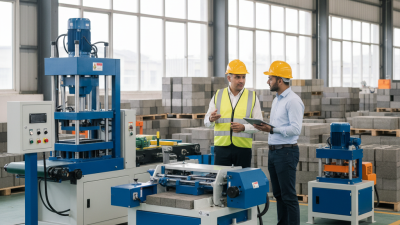
Generally, there are manual, semi-automatic, and fully automatic machines. Manual machines require significant labor and skill. Operators need to mix the concrete, fill the molds, and handle the blocks. This type is cost-effective but time-consuming.
Semi-automatic machines introduce some automation. Workers still need to monitor the process, but the machinery manages mixing and pressing. Fully automatic machines are high-capacity and efficient. They streamline production and minimize human error.

Each type has its pros and cons. Manual machines can be less reliable in quality. Semi-automatics offer better consistency, yet they still depend heavily on operator vigilance. Fully automatic machines reduce labor but require substantial initial investment. Exploring these options helps businesses select the most suitable machine for their needs. Understanding the balance between efficiency, cost, and quality is crucial for success in block production.

Advantages of Using Concrete Block Machines in Construction

What is a Concrete Block Machine and How Does it Work?

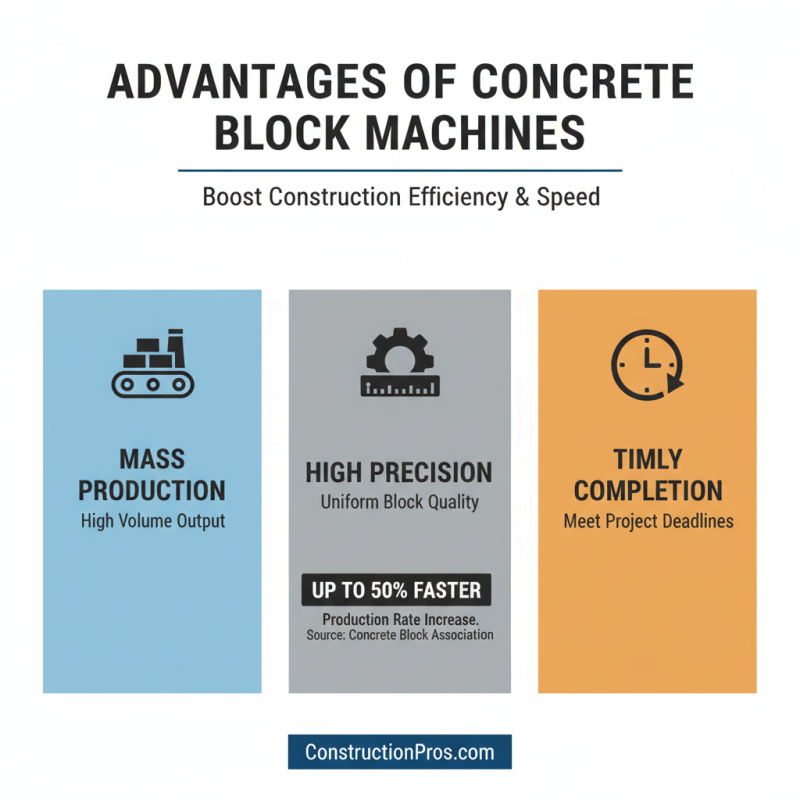
Concrete block machines offer numerous advantages in the construction industry. These machines enable efficient mass production of concrete blocks with high precision. According to the Concrete Block Association, using these machines can increase production rates by up to 50%. This leads to timely project completion, a key factor in meeting construction deadlines.

Furthermore, concrete block machines improve the consistency and quality of the blocks produced. Automated processes reduce human error, ensuring uniformity in size and shape. This quality control can enhance the durability of structures, an essential aspect noted in various industry reports. For instance, a study from the National Institute of Standards and Technology indicated that uniform concrete blocks could withstand significant structural loads more effectively than those made manually.

However, there are challenges to consider. Initial investment costs for these machines can be high. For small contractors, this might seem daunting. Moreover, proper maintenance is crucial; neglecting this can lead to decreased performance over time. Therefore, weighing the benefits against potential drawbacks is essential for any construction business. Ultimately, the decision to adopt concrete block machines should involve thorough analysis and reflection on project specific needs.