Leave Your Message

10 Essential Tips for Choosing a Cement Pole Making Machine

When selecting a Cement Pole Making Machine, industry expert Dr. Mark Thompson emphasizes, "The right machine can significantly enhance productivity." This highlights the importance of choosing wisely in a competitive market. Cement poles are essential for various infrastructures, making the choice of machinery critical for manufacturers.

A Cement Pole Making Machine must meet specific requirements. Consider factors such as production capacity, energy efficiency, and maintenance. The machine's features can greatly influence operational costs. A poorly chosen machine might lead to downtime and increased expenses. Reflecting on these aspects is crucial for long-term success.

Investing in a reliable Cement Pole Making Machine is vital for quality production. Weighing options with a critical eye can lead to meaningful improvements. Remember, each decision shapes your company's future in an evolving industry.
10 Essential Tips for Choosing a Cement Pole Making Machine

Understanding Your Production Needs for Cement Poles

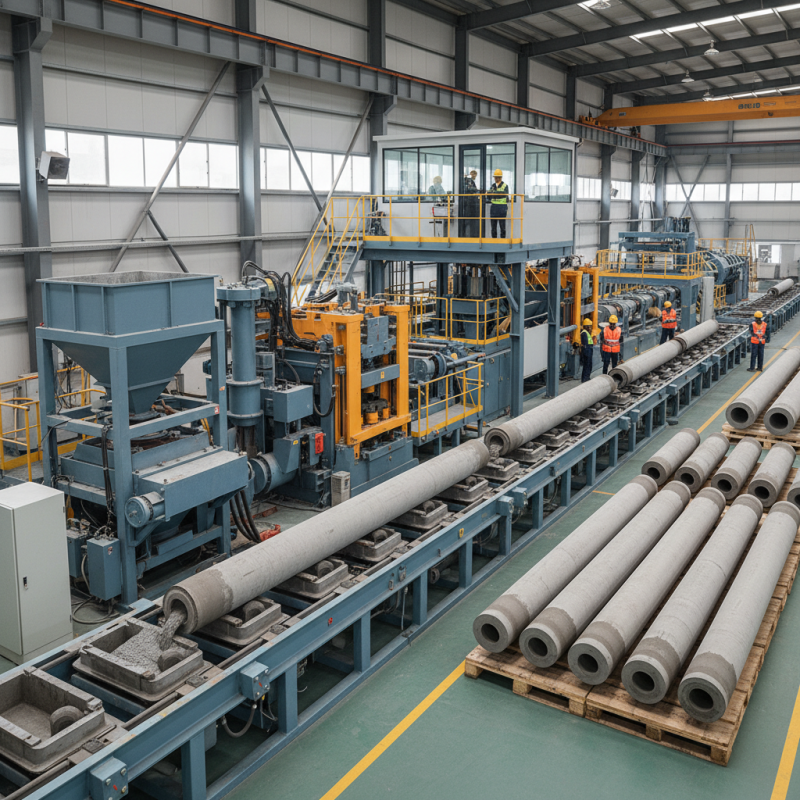
When selecting a cement pole making machine, understanding your production needs is crucial. Consider the volume of poles you aim to produce. This helps in determining the machine's capacity. Small projects may require a compact machine, while large-scale production demands high-output models. Look into the specifications. Some machines make only specific types of poles, while others offer versatility. It's essential to match the machine’s features to your specific needs.

You should also consider the materials you will be using. The quality of the raw materials can affect the durability of your poles. Testing different mixtures can yield varying results. Additionally, evaluate the level of automation you want. Fully automated machines save time but may require a higher upfront investment. Balancing your budget and production demands is vital. Reflect on what is sustainable for your business. Sometimes, cutting costs on machinery can lead to compromises in quality. Know the trade-offs you are making to align with your production goals.
Evaluating the Types of Cement Pole Making Machines Available

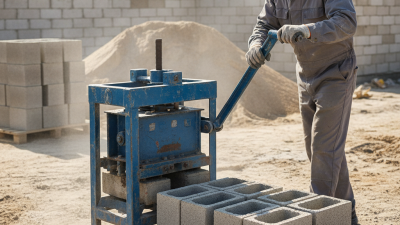
When evaluating types of cement pole making machines, consider two main categories: manual and automatic machines. Manual machines require more labor but are often cheaper. They are suitable for small-scale production. Operators need skilled workers to ensure quality. Automatic machines offer higher efficiency and consistency. They can run continuously with minimal labor. However, the initial investment is usually higher.

Each type has its pros and cons. Manual machines may lead to variations in pole thickness. This might affect the final product's durability. Automatic machines, while efficient, can experience technical issues. Regular maintenance is essential to avoid production delays. Operators should be trained to handle both types.

Consider the production capacity required. If large volumes are needed, invest in automatic machines. However, if your needs are limited, a manual option might suffice. Weigh the costs against your budget and production goals. This analysis will help you make an informed decision.

Key Features to Look for in a Cement Pole Making Machine

10 Essential Tips for Choosing a Cement Pole Making Machine

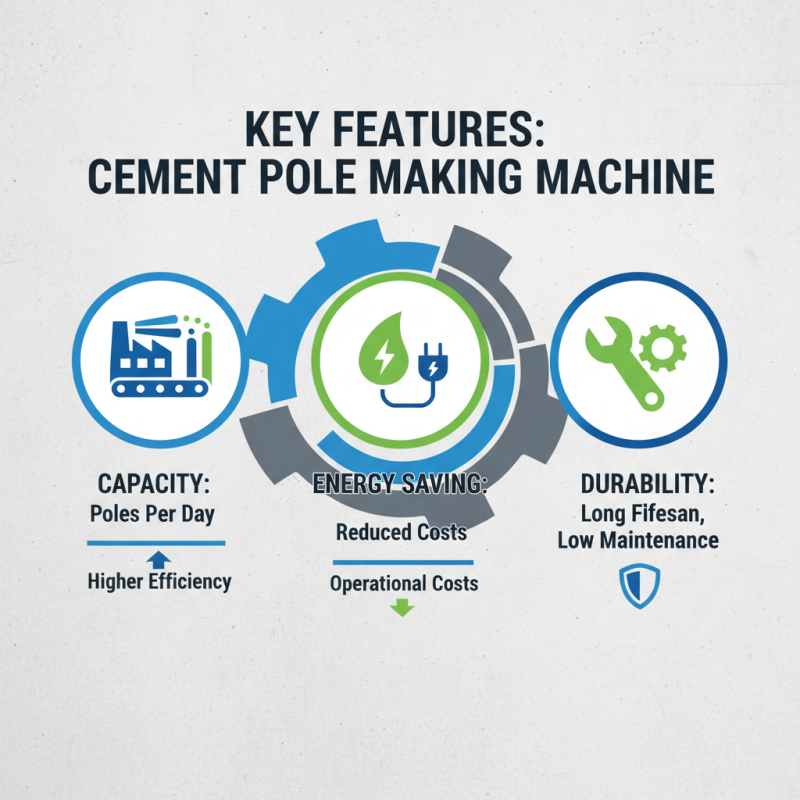
When selecting a cement pole making machine, it's essential to consider certain key features. The machine's capacity is crucial. Determine the number of poles it can produce daily. A higher capacity increases efficiency, but it may also require more energy. Look for machines with energy-saving technologies. This feature can significantly reduce operational costs.

Automation is another important aspect. An automated machine decreases the need for manual labor. These machines often come with advanced control systems. This leads to consistent quality in the poles produced. However, higher automation can increase complexity, and maintenance may become challenging. Ensure you understand the support available for these systems.

Pay attention to the machine's durability. A well-built machine lasts longer and offers better ROI. Materials used in construction should withstand wear and tear. Corrosion-resistant components are a smart choice. Also, consider the availability of spare parts. A machine that is easy to repair will save time and money when issues arise. Always weigh the pros and cons before making a purchase decision.

Assessing Manufacturer Reputation and Support Services

When selecting a cement pole making machine, the manufacturer’s reputation is crucial. A manufacturer with a strong track record often provides quality machines. According to recent industry reports, 70% of successful businesses attribute their sustained growth to reliable suppliers. It's important to research the manufacturer's history and customer feedback. Look for testimonials that reflect positive experiences. Real user reviews can reveal critical insights.

Support services offered by manufacturers also play a significant role. Machines can experience downtime, impacting production. A report from the Global Manufacturing Alliance states that companies lose an average of 15% in productivity due to maintenance delays. Ensure your potential supplier offers 24/7 support. Quick response times can minimize downtime. Ask about their training programs for machine operation. Support not only includes troubleshooting but also the availability of spare parts.

Beyond reputation, assess how transparent the manufacturer is. This includes their warranty and return policies. A confident manufacturer will provide clear terms. Remember, a low price can be tempting, but it often correlates with lower support levels. Choose a supplier whose values align with your long-term business goals.

10 Essential Tips for Choosing a Cement Pole Making Machine

Criteria Importance Level Description Recommendation
Manufacturer Reputation High Look for manufacturers with a good track record and customer feedback. Review industry reports and client testimonials.
Support Services High Check if the manufacturer provides installation and maintenance support. Choose manufacturers that offer comprehensive after-sales service.
Machine Technology Medium Evaluate the technology used in the machine for efficiency and durability. Select modern machines with automation features.
Price High Consider the overall value rather than just the initial cost. Compare prices while ensuring quality and support.
Customization Options Medium Check if the manufacturer can customize the machine to meet specific needs. Discuss customization features during initial inquiries.
Safety Features High Evaluate safety mechanisms integrated into the machine design. Ensure compliance with industry safety standards.
Availability of Spare Parts Medium Check if spare parts are readily available and reasonably priced. Ask about the supply chain for spare parts during discussions.
Production Capacity High Assess if the machine can meet your production demands. Calculate needs based on workload and efficiency rates.
Energy Efficiency Medium Consider the energy consumption of the machine during operation. Look for machines with low energy costs and high efficiency ratings.
User-Friendly Interface Medium Assess the ease of operation and how user-friendly the controls are. Opt for machines with intuitive controls and user manuals.

Budget Considerations and Cost Analysis for Purchasing a Machine

10 Essential Tips for Choosing a Cement Pole Making Machine

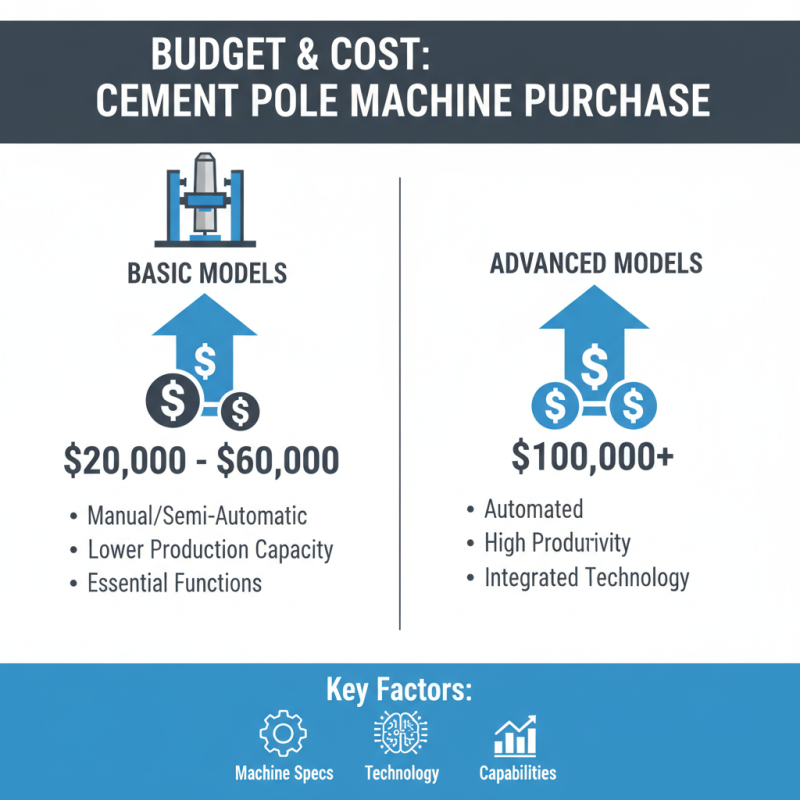
When considering the purchase of a cement pole making machine, budget is a crucial factor. Industry reports indicate that costs can vary significantly based on machine specifications, capabilities, and technology. Basic models can range from $20,000 to $60,000, while advanced machines with higher productivity often exceed $100,000. Understanding these price ranges allows for better financial planning.

It's important to assess not just the initial purchase price but also the total cost of ownership. This includes maintenance, energy consumption, and labor costs associated with operating the machinery. For example, long-term studies show that machines with higher efficiency can reduce energy costs by 20% annually. Investing in more reliable technology may incur higher upfront costs but can lead to significant savings in the long run.

Analyze your production needs and potential return on investment. Many manufacturers recommend conducting cost-benefit analysis before making a decision. In some cases, lower-cost machines may lead to higher operational failures. Choosing the right technology should align with your production goals. This is critical for ensuring operational efficiency and maximizing profitability. Take your time, evaluate your options, and prioritize reliability over initial savings.