10 Essential Tips for Selecting the Best Brick Making Machine?
Choosing the right Brick Making Machine can be a daunting task. With so many options available, how do you make the best choice? This guide presents ten essential tips to help simplify the decision-making process. Emphasizing both quality and efficiency is crucial.
When selecting a Brick Making Machine, consider your production needs. Understand the types of bricks you wish to produce. This can affect the machine's specifications. Check for durability and reliability. Machines that break down frequently can hinder your productivity.
Another aspect to consider is the machine's energy consumption. A cost-effective Brick Making Machine should balance power usage and output. Also, think about the available space for installation. Sometimes, larger machines may not fit well in smaller workshops. Reflect on these factors carefully, as they can shape your production success. Making the right choice today can lead to better outcomes tomorrow.
Understanding Different Types of Brick Making Machines Available Today
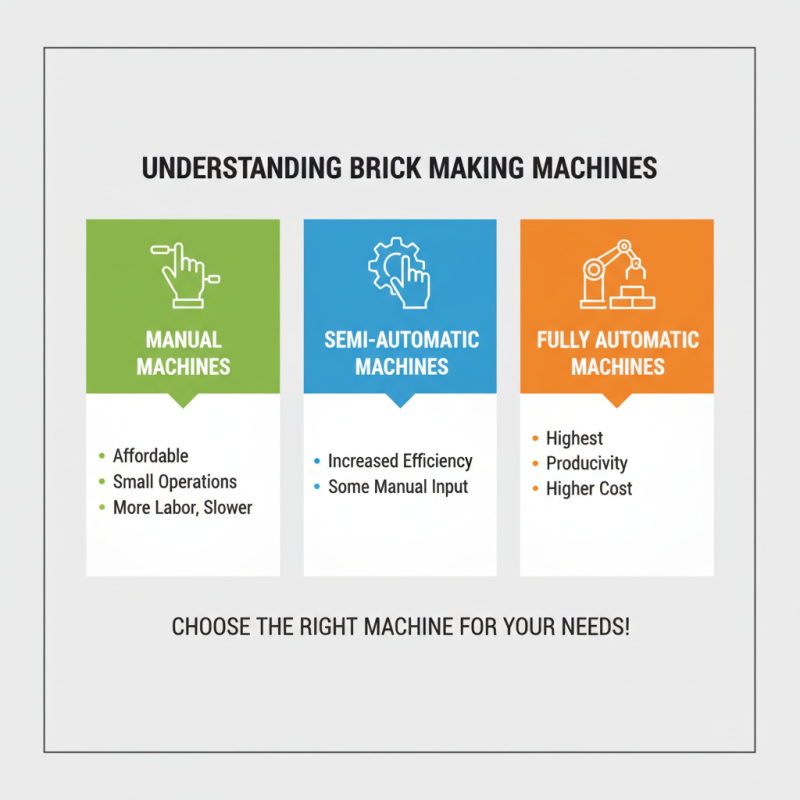
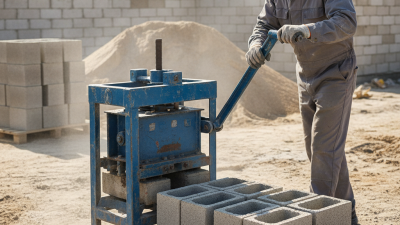
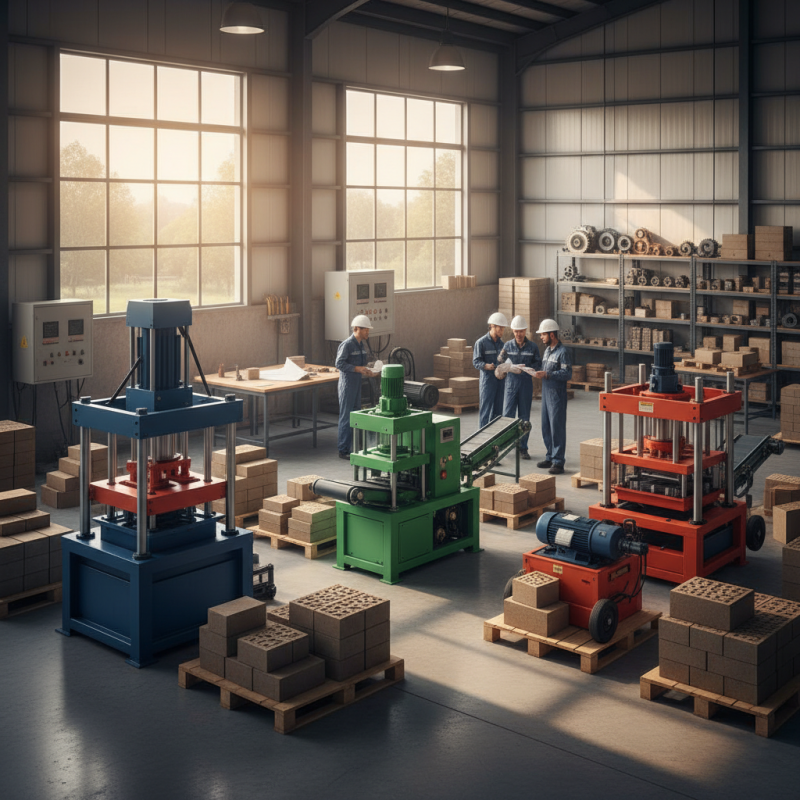
When selecting a brick making machine, understanding the different types available today is crucial. There are various options, including manual, semi-automatic, and fully automatic machines. Each type has its advantages and limitations. Manual machines are often affordable and suitable for small operations. However, they require more labor and are slower. Semi-automatic machines increase efficiency but demand some manual input. Fully automatic machines offer the highest productivity but come at a higher cost.
Tip: Assess your production needs carefully. Choose a machine that meets your output requirements without exceeding your budget. Consider the space you have available for the machine. Compact models can save space but may limit capacity.
Another factor is the material used in the machine's construction. Low-quality machines may save money upfront, but they can lead to higher maintenance costs in the long run. Pay attention to the specifications. Check for durability, strength, and the technology used.
Tip: Look for user reviews. Understanding the experiences of others can influence your decision significantly. Don't forget to evaluate the support offered by the manufacturer post-purchase. A reliable support system can be a lifesaver when facing production challenges. With careful consideration, you can select the right brick making machine for your needs.
Considering the Material Compatibility and Quality of Brick Machines
When selecting a brick making machine, material compatibility and quality are crucial elements. The right machine should handle various materials, including clay, fly ash, and concrete. Different materials require specific machinery settings. For example, some machines excel with clay but underperform with fly ash. According to a recent industry report, over 70% of production issues stem from improper material selection. Turning to the right technology can make a significant difference.
Quality control is non-negotiable. A brick making machine's reliability reflects in the produced bricks’ durability. Machines with robust construction tend to have lower maintenance costs and improved lifespan. The same report indicates that machines built with high-grade steel can last up to 15 years, while those made with inferior materials may fail within five. Not all machines advertise their material quality, leading to potential regrets down the road. Investing in a machine that uses proven technology is wise.
The intricacies involved in this selection process require careful consideration. It’s easy to overlook details, leading to high operational costs and inefficient production. Many buyers fail to assess the local availability of materials, which can affect machine performance. The lack of proper research can force businesses into costly adjustments later. Balancing material compatibility and machine quality can be challenging but is critical for success in brick production.
Assessing the Costs and Budget for Brick Making Machine Acquisition
When considering the acquisition of a brick making machine, assessing the costs is crucial. The global brick manufacturing market was valued at approximately $180 billion in 2021, with projections indicating steady growth. This makes it imperative for businesses to budget wisely. Understanding both the initial investment and long-term operational costs will influence your decision significantly.
Tip 1: Always include maintenance costs in your budget. Data suggests that maintenance can account for up to 20% of overall expenses in the long run. Neglecting this can lead to operational disruptions and unexpected expenses.
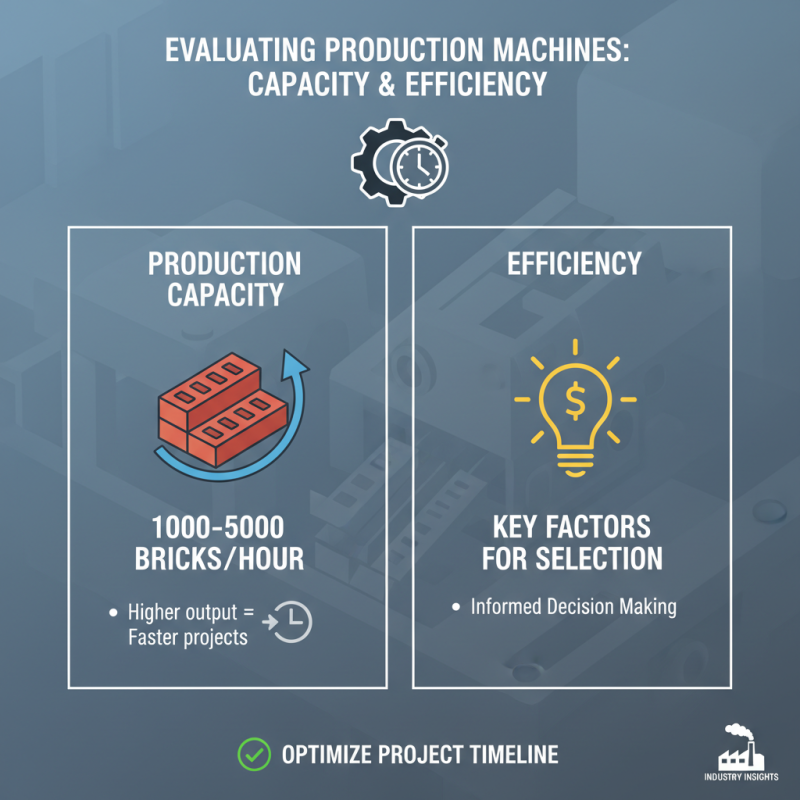
Remember to evaluate the machine’s production capacity versus your demand. A machine that seems affordable might not suffice for high volume needs.
Tip 2: Research local market conditions. Prices fluctuate depending on your region. A machine might be cheaper in one area but expensive due to shipping costs elsewhere.
Be mindful of additional costs such as installation and training. These can easily be overlooked, but adding them into your budget helps avoid future surprises. Review your budget periodically to reflect changing needs and market conditions. Adjustments may be necessary as your business grows.
Cost Breakdown for Brick Making Machine Selection
Importance of After-Sales Service and Support for Brick Making Machines
When investing in a brick making machine, after-sales service is crucial. According to a report from the International Bureau of Statistics, over
30% of machine failures stem from inadequate maintenance. This highlights the need for reliable support. Without proper after-sales service, users may face
prolonged downtimes and repair costs.
A responsive service team can significantly reduce these issues. Many machine operators emphasize the importance of having access to skilled technicians. In fact, surveys indicate that
65% of users prioritize technical support when selecting a machine.
Solid after-sales service can enhance operational efficiency and extend the machine's lifespan.
Ignoring this aspect can lead to costly mistakes.
Insufficient training and support can hinder effective machine operation. Many users also report feelings of frustration when facing complex repairs without expert guidance.
Investing in machines without considering their service support is a gamble that can hurt production.