Why Invest in a Soil Brick Making Machine for Sustainable Construction?
Investing in a Soil Brick Making Machine represents a pivotal shift towards sustainable construction. The global construction industry generated approximately $10 trillion in revenue in 2021, with sustainable building practices becoming more essential than ever. A recent report indicated that eco-friendly materials, such as soil bricks, could reduce energy consumption by up to 40% during construction.
Industry expert Dr. Sarah Greene emphasizes the potential of soil brick technology, stating, "Utilizing soil bricks not only reduces waste but also lends itself well to local materials." This highlights an urgent need for change.
Outdated practices still dominate in many regions. Many construction projects rely heavily on traditional bricks, which contribute to high carbon emissions. Soil bricks' unique benefits can promote local economies and minimize transportation costs. Investing in a Soil Brick Making Machine thus appears not just viable but necessary for mindful building.
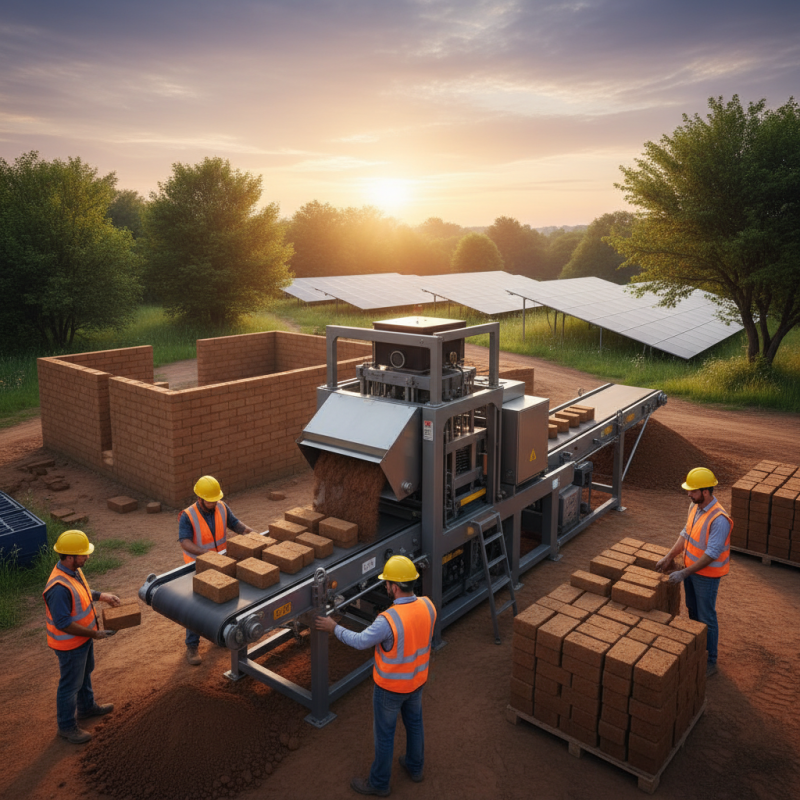
Benefits of Using Soil Brick Making Machines in Eco-Friendly Projects
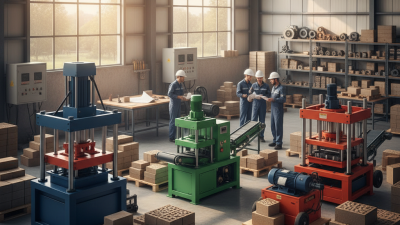
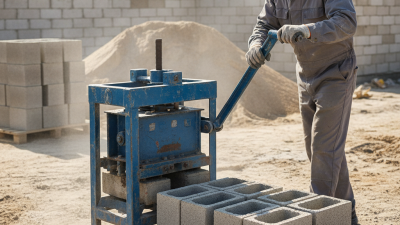
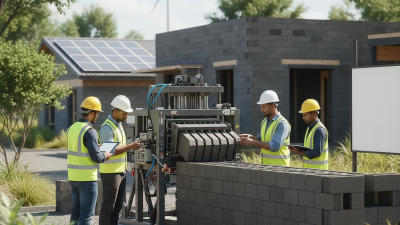
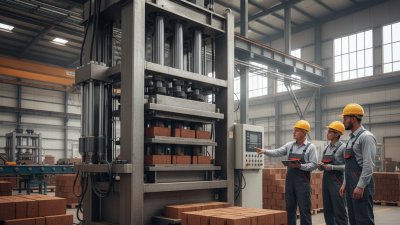
Soil brick making machines are becoming essential for eco-friendly construction projects. They utilize local materials, which reduces transportation costs. Using soil as a primary component helps lower energy use compared to fired bricks. This process significantly cuts down carbon emissions, promoting a healthier environment.
The bricks produced are strong and durable. They can withstand various weather conditions, making them suitable for diverse climates. With their natural aesthetics, soil bricks also blend well with the environment. However, the quality of soil affects the final product. It’s crucial to test soil composition, which adds an extra step to the process.
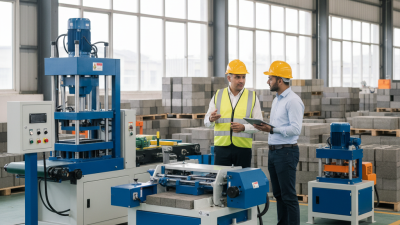
While these machines are efficient, some challenges exist. They require proper maintenance to function optimally. Moreover, not everyone is skilled in operating them. This could lead to inconsistent brick quality. Training programs are essential to ensure effective use of these machines. Investing time in education can lead to better outcomes in construction projects.
Why Invest in a Soil Brick Making Machine for Sustainable Construction?
| Aspect |
Benefits |
Environmental Impact |
Cost Effectiveness |
| Material Utilization |
Uses locally sourced soil, reducing transportation costs. |
Minimizes carbon footprint by using natural materials. |
Lower raw material costs compared to traditional bricks. |
| Energy Efficiency |
Requires less energy for production compared to fired bricks. |
Reduces greenhouse gas emissions associated with firing. |
Saves on energy bills in the long term. |
| Durability |
Soil bricks have a high compressive strength. |
Promotes longer-lasting buildings, reducing waste. |
Fewer repairs and replacements reduce lifecycle costs. |
| Versatility |
Can be used in various construction styles and designs. |
Adaptable for different ecosystems and climates. |
Flexible uses lead to reduced project costs. |
Cost-Effectiveness of Soil Brick Production Compared to Traditional Methods
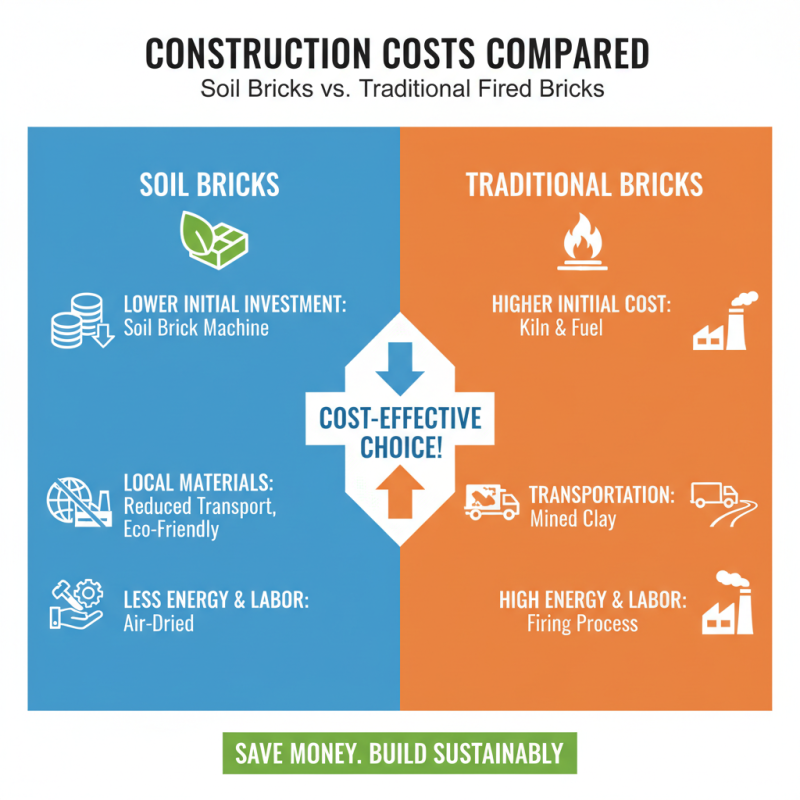
Investing in a soil brick making machine can significantly reduce construction costs. Traditional brick production often relies on fired bricks, which involve high energy consumption and extensive labor. In contrast, soil bricks are made from locally sourced materials. This cuts down transportation costs and promotes environmental sustainability.
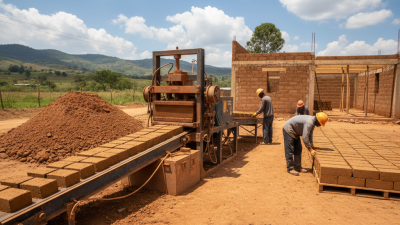
The cost-effectiveness of soil brick production is evident in the long run. While the initial investment for machinery might seem high, savings on materials and labor add up. Soil bricks can be produced on-site, saving transportation fees. Plus, less energy is needed compared to traditional firing methods. This is a win-win for both budget-conscious builders and eco-friendly advocates.
**Tip:** Consider the local soil type for optimal results. Some soils perform better in brick making than others.
While soil bricks can provide sturdy structures, their use does require careful planning. Not all locations may benefit evenly from soil bricks. Some areas might face challenges like moisture levels or varying climate conditions.
**Tip:** Conduct soil tests before production. Understanding your material can shape the quality of your bricks.
Investing in a soil brick making machine not only paves the way for affordable housing but also supports a sustainable approach to construction. It encourages a circular economy by using what’s available and minimizing waste. Explore this option wisely to see the full potential.
Environmental Impact: Reducing Carbon Footprint with Soil Bricks
Soil bricks offer a sustainable alternative to traditional building materials. They are made from natural resources like clay and soil, which reduces the need for fired bricks. This process significantly lowers carbon emissions. Less energy is required for production, helping to preserve our environment.
Manufacturing soil bricks contributes to a smaller carbon footprint. The raw materials are often locally sourced, decreasing transportation emissions. In regions with limited access to resources, soil bricks can provide an affordable building solution. This helps communities thrive while reducing environmental impact.
**Tips:** Consider using soil bricks for eco-friendly construction. Look into local soil types that can be used. Explore community projects focused on sustainable building practices. Experimenting with soil mixtures can yield different results, so keep a record of what works best.
Durability and Strength: Advantages of Soil Bricks for Sustainable Structures
Soil bricks are gaining attention in sustainable construction. Their durability and strength make them a viable alternative to traditional materials. Reports from the Global Green Building Council reveal that buildings made from soil bricks can reduce carbon footprints. These structures, designed to last, resist deterioration even in harsh weather. A study notes that soil bricks can last up to 200 years with proper care.
However, achieving optimal strength requires careful mix designs. The right proportion of soil, water, and stabilizers is vital. Some projects overlook these details, leading to weak structures. Soil bricks also offer excellent thermal performance. They naturally regulate temperature, providing energy savings.
Yet, challenges remain. Soil quality varies by region, affecting brick consistency. Lack of standardization in production can lead to variable results. Builders must be aware of these factors for success. Educating stakeholders about proper techniques will enhance the benefits of soil bricks. With increased understanding, sustainable construction can be more effective.
Advantages of Soil Bricks for Sustainable Structures
Adaptability: Soil Brick Solutions for Diverse Construction Needs
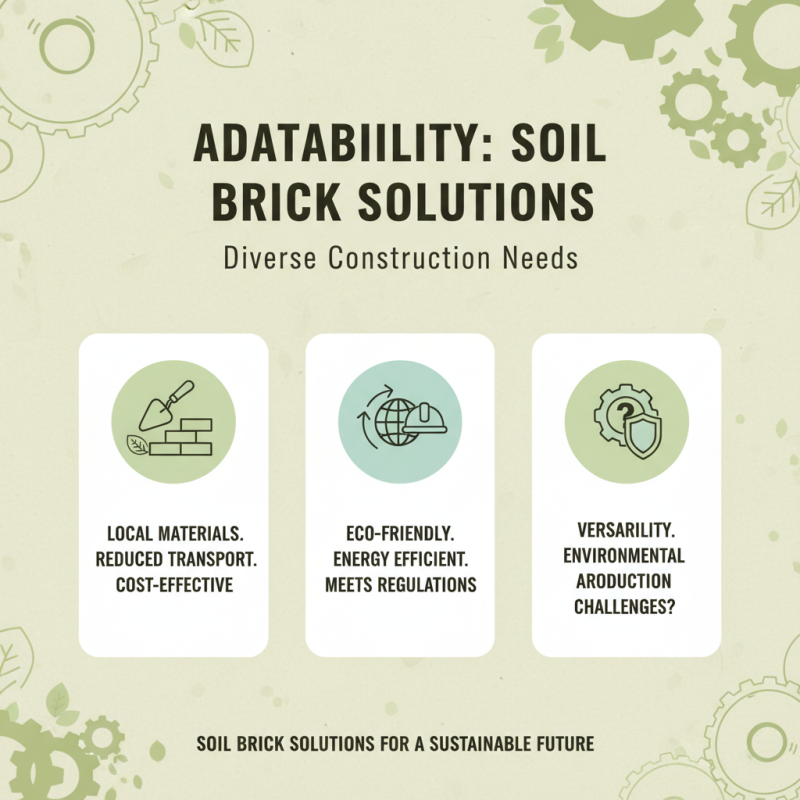
Soil brick making machines have gained attention for their versatility in construction. They can produce bricks using local materials, which reduces transportation costs. This adaptability allows builders to meet diverse environmental concerns and regulatory requirements. Soil bricks are eco-friendly and energy efficient. Yet, their production might present challenges.
Different soil types may affect the quality of bricks. The right combination is essential for durability. Not every location has ideal soil, which can hinder efforts. Moreover, training is vital for effective machine usage. Workers must understand the intricacies of operation, including soil mixing and moisture control. Neglecting these factors could lead to weak bricks.
Soil bricks can cater to various architectural styles. They can be used in both traditional and modern buildings. However, the aesthetic appeal might vary depending on the production method. Customization options are limited compared to fired bricks. This could pose a challenge for precise design demands in specific projects. Nonetheless, the potential for innovation remains.