Leave Your Message

Top Automatic Brick Making Machine Manufacturers?

Choosing among the top Automatic Brick Making Machine manufacturers requires more than comparing advertised production rates. A reliable review must examine forming accuracy, mold durability, curing compatibility, energy use, and after-sales support. Manufacturers such as Zenith, Masa, Columbia Machine, Besser, and Hydraform serve different plant sizes and brick applications. Their strengths should not be treated as interchangeable.

Dr. S. K. Dey, a concrete-products machinery specialist, explains, “Automation creates value only when material control, machine settings, and operator training work together.” This practical view matters on the factory floor. A machine may promise 20,000 bricks per hour. However, inconsistent moisture can produce cracked edges, weak corners, or uneven surfaces. Those defects become expensive after stacking and delivery.

This guide compares leading manufacturers through measurable and practical criteria. It considers automation depth, hydraulic stability, pallet handling, software access, spare-part availability, and technical training. It also examines whether a supplier can support local materials and changing product designs. A premium machine is not always the best choice. Smaller producers may need simpler controls and easier maintenance. Larger plants may prioritize continuous production and data monitoring.

No ranking is perfect. Buyer priorities differ. My assessment may favor long-term reliability over the lowest purchase price. That choice deserves discussion. Readers should verify output claims through factory visits, reference projects, and independent testing. The best Automatic Brick Making Machine is the one that performs consistently under real operating conditions, not merely in a polished brochure.

Top Automatic Brick Making Machine Manufacturers?

What Is an Automatic Brick Making Machine?

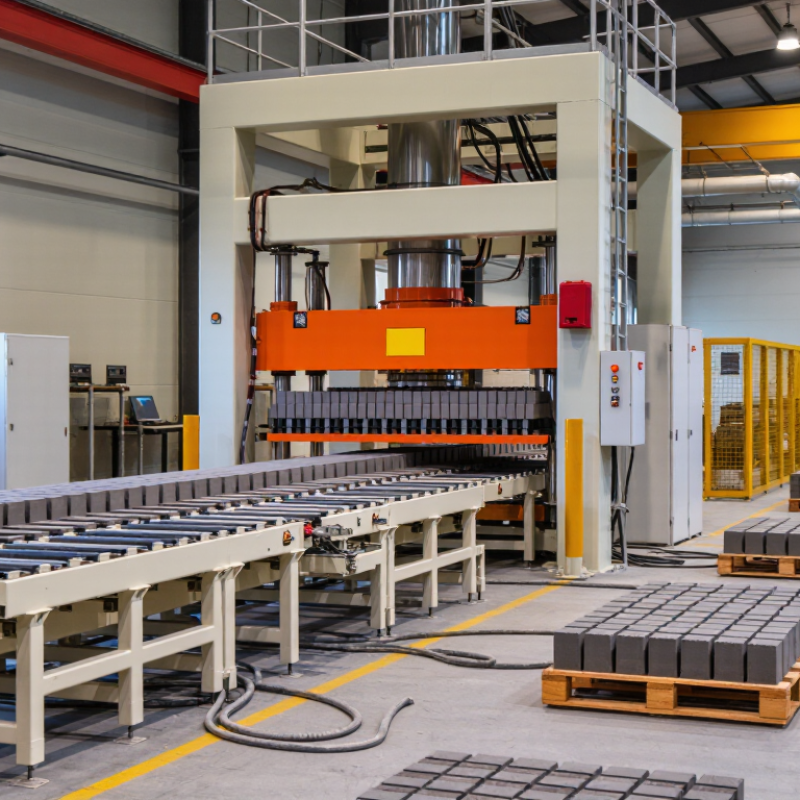
An automatic brick making machine is industrial equipment that forms bricks with limited manual handling. It uses a mixer, material hopper, mold, vibration system, hydraulic unit, and control panel. The machine receives a measured concrete mixture, presses it into molds, and releases fresh bricks onto pallets. Sensors and programmable controls coordinate these steps with consistent timing.

Not completely hands-free. Operators still check material moisture, mold alignment, pallet feeding, and finished dimensions. During production, a small change in water content can affect strength and surface quality. Too wet causes sticking. Too dry creates weak edges. Experienced technicians usually test several batches before setting the final pressure and vibration time. I have found that production figures often look better on paper than on a working floor. Dust, uneven aggregates, and delayed maintenance can reduce actual output.

A dependable machine should provide stable cycles, accessible maintenance points, and clear fault warnings. Safety guards and emergency stops also require regular inspection. Maintenance access matters. Buyers should request sample bricks, cycle records, and electricity data under realistic conditions. A useful trial checks brick weight, dimensions, edge quality, and curing performance. Automatic control improves repeatability, but it cannot correct poor raw materials or careless setup. Small deviations may appear after several hours, especially when molds wear or sensors become dirty. That is where practical supervision still matters.

What Is an Automatic Brick Making Machine?

Typical hourly output ranges for automatic concrete brick and block production

An automatic brick making machine uses automated batching, mixing, material feeding, vibration or pressing, mold release, and pallet handling to produce concrete masonry products with limited manual intervention. The figures show common production ranges and can vary according to product size, mold configuration, raw-material formula, curing method, and operating cycle.

How Automatic Brick Making Machines Work

How Automatic Brick Making Machines Work

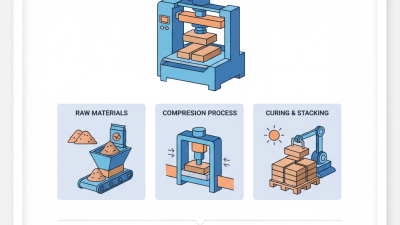
Automatic brick making machines turn a measured mix of cement, sand, aggregates, and water into uniform building units. A batching system weighs each material, while a controlled mixer creates a consistent blend. The mixture then enters a steel mold. Hydraulic pressure compresses it, and vibration removes trapped air. This sequence is fast, but not careless. Small moisture changes can alter strength and surface quality.

Sensors monitor material levels, pressure, vibration time, and mold position. After pressing, an automated pallet system transfers fresh bricks to a curing area. Steam curing may shorten handling time, while natural curing uses less equipment but needs stable temperature and humidity. The International Energy Agency reports that cement production releases about 2.3 gigatonnes of carbon dioxide annually. Therefore, accurate dosing matters. Less cement waste can reduce both cost and environmental impact.

According to the UNEP Global Status Report for Buildings and Construction, the sector produces roughly 37% of global energy-related emissions. Efficient machines cannot solve that problem alone. Operators still need trained inspection routines. Check the first pallet. Test dimensions, density, and compressive strength. A machine may run smoothly while producing weak bricks. That is the uncomfortable part. Automation improves repeatability, but it does not replace judgment. Many production faults begin with poor mix design, worn molds, or ignored sensor readings.

Top Automatic Brick Making Machine Manufacturers? - How Automatic Brick Making Machines Work

A practical comparison framework for evaluating automatic concrete brick and block production systems without displaying company or brand data.

Evaluation Dimension Automatic Production Stage How the Machine Works Key Components and Controls Typical Technical Data What to Check When Comparing Manufacturers
Raw Material Handling Aggregate storage and batching Separate storage bins hold cement, sand, stone dust, and graded aggregates. Automated weighing systems release each material according to the selected mix recipe. Storage hoppers, weighing sensors, belt conveyors, screw conveyors, and programmable control software. Weighing accuracy commonly targeted at approximately ±1% for cement and ±2% for aggregates, depending on system design. Confirm the number of bins, weighing accuracy, dust-control provisions, and whether recipes can be stored and adjusted.
Concrete Mixing Controlled material blending The batching system feeds materials into a mixer. Water and admixtures are metered to create a low-slump concrete mixture suitable for vibration and compaction. Pan or planetary mixer, water meter, admixture pump, moisture compensation system, and automated mixing timer. Mixing time is often set within a range of about 60–180 seconds, depending on the recipe, mixer type, and required consistency. Check mixer capacity, lining material, discharge speed, cleaning access, and the ability to compensate for aggregate moisture.
Mold Filling Material distribution into molds A feed box moves over the mold and distributes fresh concrete into each cavity. Gates, scrapers, and controlled motion help reduce uneven filling. Feed drawer, hydraulic or electric drive, mold frame, level sensors, and programmable travel controls. The mold format determines the number of products formed per cycle; cavity count varies with product size and machine configuration. Evaluate filling uniformity, mold-change time, mold steel quality, product range, and compatibility with local aggregate sizes.
Vibration and Compaction Density and shape formation Vibration removes air pockets while a tamper head applies pressure. The combined action forms stable green products before they enter the curing area. Vibration motors, tamper head, hydraulic cylinders, frequency controls, pressure sensors, and vibration timing software. Vibration frequency and compaction pressure are adjustable parameters; exact settings depend on the product, mix, mold, and required density. Request test results for dimensional consistency, edge definition, density, and compressive strength using the intended raw materials.
Pallet Transfer Green product movement A pallet feeder supplies clean pallets, while a transfer mechanism moves the newly formed products from the mold station to a pallet or curing rack. Pallet magazine, chain or roller conveyor, transfer cart, proximity sensors, and automatic positioning controls. Pallet size, product layout, transfer distance, and handling speed must match the machine's mold and downstream curing system. Check pallet alignment, transfer stability, empty-pallet storage capacity, and protection against product edge damage.
Curing Strength development Fresh products remain undisturbed while cement hydrates. Curing may be performed in a controlled chamber or in a covered area with managed temperature and moisture. Curing racks, chamber doors, humidity or temperature controls, ventilation equipment, and pallet management systems. Many concrete products require at least several hours of initial curing and commonly reach specified design strength after approximately 28 days, depending on the mix and standard used. Compare curing-space requirements, climate-control options, energy use, ventilation, and the availability of strength-test documentation.
Product Handling Stacking and packaging After sufficient handling strength is reached, products are transferred, stacked, strapped, wrapped, or prepared for storage and shipment. Automatic stacker, clamp, conveyor, palletizer, wrapping unit, and programmable handling controls. Handling capacity depends on product dimensions, pallet pattern, stack height, and the selected automation level. Check stacking accuracy, allowable product age at handling, packaging options, and compatibility with forklifts or other logistics equipment.
Control System Process coordination A programmable logic controller coordinates batching, mixing, filling, vibration, pallet movement, alarms, and recipe selection. PLC, touchscreen interface, frequency converters, position sensors, emergency-stop circuits, and data logging. Useful functions include recipe storage, fault alarms, manual override, production counters, and maintenance reminders. Confirm language options, remote diagnostics, spare-part availability, cybersecurity practices, and operator training.
Production Capacity Cycle and output planning Theoretical output is calculated from cycle time and the number of products formed per mold. Actual output is lower when material loading, pallet changes, mold changes, and downtime are included. Cycle timer, output counter, production dashboard, mold configuration, and line-balancing controls. A typical automatic cycle may fall within roughly 10–30 seconds for common products, but actual capacity varies substantially by product size and machine layout. Compare verified hourly output using the intended product, mix design, pallet size, labor arrangement, and operating schedule.
Energy and Utilities Power, water, and compressed air supply Motors, hydraulic systems, vibration units, pumps, and control equipment require electrical power. Water is used in concrete mixing and cleaning. Main electrical cabinet, hydraulic power unit, water tank, pumps, air compressor, and utility monitoring devices. Utility demand depends on motor ratings, automation level, mixer size, curing method, and operating hours; total connected load should be calculated from the equipment schedule. Request a complete connected-load list, recommended transformer capacity, water consumption estimate, and compressed-air requirements.
Maintenance and Safety Reliable and safe operation Guards, interlocks, emergency stops, lubrication points, inspection routines, and planned replacement of wear parts support safe and consistent production. Safety switches, guarding, lockout points, lubrication system, wear-resistant liners, and diagnostic alarms. Maintenance intervals depend on operating conditions; daily cleaning and inspection are commonly required for molds, feed systems, mixers, and conveyors. Review safety compliance, maintenance manuals, spare-part lead times, warranty terms, service response, and training coverage.
Quality Verification Inspection of finished products Operators or quality systems inspect dimensions, appearance, density, water absorption, and compressive strength according to the applicable product standard. Calipers, weighing scales, moisture meters, compression-testing equipment, inspection records, and batch traceability software. Acceptance limits depend on the product type and applicable standards; dimensional tolerance, strength, absorption, and visual quality should be specified before purchase. Ask for sample-production trials, test reports, calibration procedures, documentation support, and clear acceptance criteria.

Key Factors for Comparing Machine Manufacturers

Choosing among top automatic brick making machine manufacturers requires more than comparing output claims. Review forming pressure, cycle stability, mold tolerance, energy use, and after-sales response. The 2023 UNEP Global Status Report states that buildings and construction consumed about 34% of global energy and produced 37% of energy-related and process emissions in 2022. Therefore, a machine with lower electricity use per finished block deserves serious attention.

Ask manufacturers for factory test records, not polished brochures. Compare actual output using your mix, moisture level, aggregate size, and target strength. A reliable supplier should provide independent laboratory results, maintenance intervals, spare-parts availability, and operator training. The IEA reports that cement production creates roughly 7% of global CO2 emissions, so material efficiency matters too. Excessive rejects quietly increase both cost and environmental impact. I have seen quoted capacity fall sharply when curing conditions change. That weakness should be discussed openly.

Tips: Request a live production test. Measure kilowatt-hours per thousand blocks. Check rejected units after curing. Confirm response times in writing. Ask whether control software stores fault history. ISO 9001 certification can indicate documented processes, but it does not guarantee machine quality. Inspect the audit scope and recent corrective actions. A smaller supplier may offer faster support, yet limited engineering resources can create risk. Compare evidence, not confidence.

Top Automatic Brick Making Machine Manufacturers

Top Automatic Brick Making Machine Manufacturers

Top automatic brick making machine manufacturers are judged by measurable performance, not polished catalogs. A 2024 report by Grand View Research valued the global construction equipment market at over USD 200 billion, reflecting strong demand for productive machinery. Brick equipment remains a specialized segment within that market. Buyers should examine output consistency, mold accuracy, energy use, and after-sales response. A reliable manufacturer publishes cycle times under defined testing conditions.

“Numbers need context.”

Factory experience matters on the production floor. Observe how raw materials are mixed, pressed, palletized, and cured. A capable supplier can explain moisture tolerance, vibration frequency, hydraulic pressure, and replacement intervals. The Freedonia Group’s construction machinery analysis highlights automation, labor efficiency, and equipment reliability as major purchasing drivers. These points are especially relevant where one operator supervises several machines. Ask for documented output from similar soil or concrete mixes. Laboratory figures may look attractive, yet local aggregates can behave differently.

Energy performance deserves closer attention. The International Energy Agency reports that industry remains a major global energy consumer, making efficient motors and hydraulic systems commercially important. Manufacturers should provide motor ratings, standby consumption, and maintenance records. Certifications for electrical safety and quality management also improve confidence, although certificates cannot replace factory inspection. I would still request a live trial, independent inspection, and references from comparable plants. The uncomfortable truth is simple: the cheapest quote may become the costliest decision when molds wear quickly or technical support arrives late.

How to Choose the Right Manufacturer and Machine

Top Automatic Brick Making Machine Manufacturers?

How to Choose the Right Manufacturer and Machine

Choosing an automatic brick making machine starts with your materials, output target, and working conditions. A reliable manufacturer should ask about cement quality, aggregate size, moisture, and local climate. Be cautious if the sales team recommends one model immediately. That shortcut may create expensive problems later.

Request a test using your actual mix. Watch the feeding system, vibration, mold changes, and curing results. Measure brick dimensions after demolding, not only inside the showroom. Ask for production records from similar installations. Speak with operators, not only managers. Their comments often reveal cleaning time, spare-part delays, and control-panel weaknesses. Small details matter.

Check the machine’s steel structure, hydraulic components, electrical protection, and safety controls. Confirm whether technicians can support installation and training in your region. A clear spare-parts list is essential. So is a written response time. Compare total ownership costs, including power use, labor, molds, maintenance, and downtime. The cheapest quotation can become costly.

Do not judge automation by screen size. A simple control system may be easier to repair. However, overly basic equipment can limit future production. Ask for a realistic capacity under normal conditions, not a perfect laboratory cycle. No machine is flawless. Your evaluation should record both strengths and weaknesses before payment terms are discussed.