Why Choose a Mud Bricks Machine for Sustainable Construction Solutions?
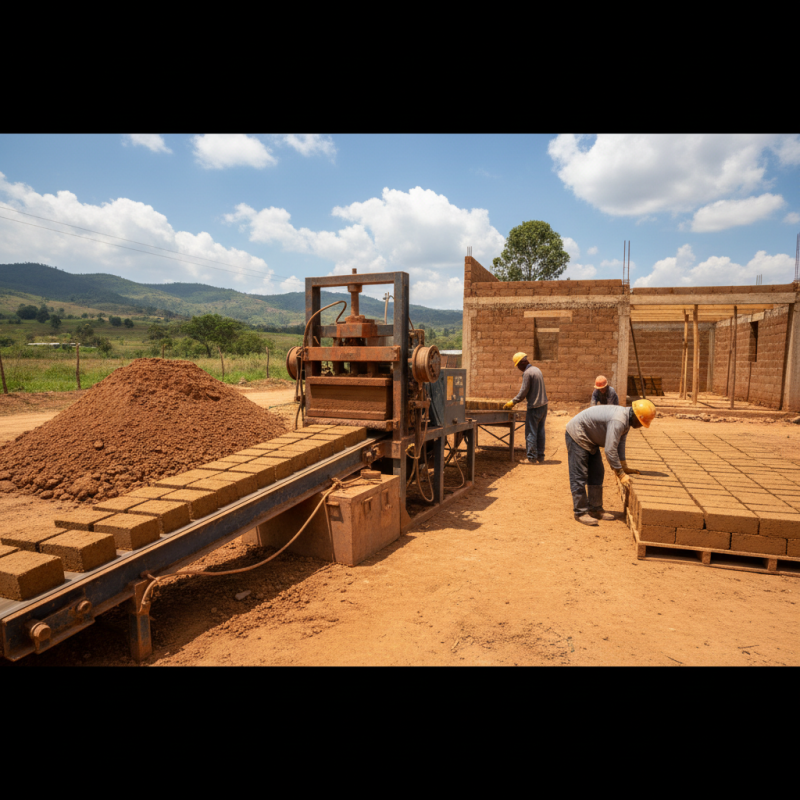
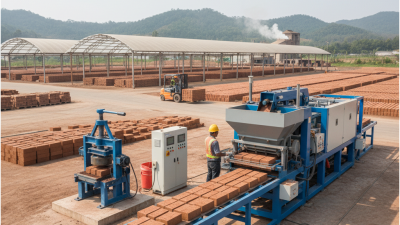
In recent years, sustainable construction has gained significant attention. The Mud Bricks Machine has emerged as a key player in this movement. This technology offers an eco-friendly solution for building materials. Mud bricks, made from natural earth, are abundant and reduce environmental impact.
Using a Mud Bricks Machine promotes local resources. It helps communities utilize their surroundings. However, not all mud brick machines are efficient or easy to operate. Some designs may even complicate the process. It’s crucial to choose wisely.
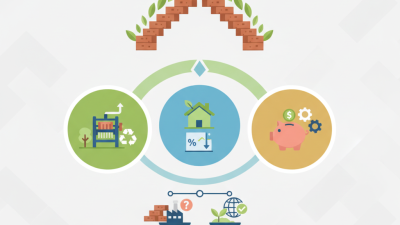
Investing in a Mud Bricks Machine can transform construction practices. The advantages include energy efficiency and cost savings. Still, builders must remain mindful of quality. Sustainable solutions require continuous improvement and adaptation. The journey towards sustainable construction is ongoing. Each step taken with a Mud Bricks Machine counts.
Advantages of Using Mud Brick Machines in Eco-Friendly Construction
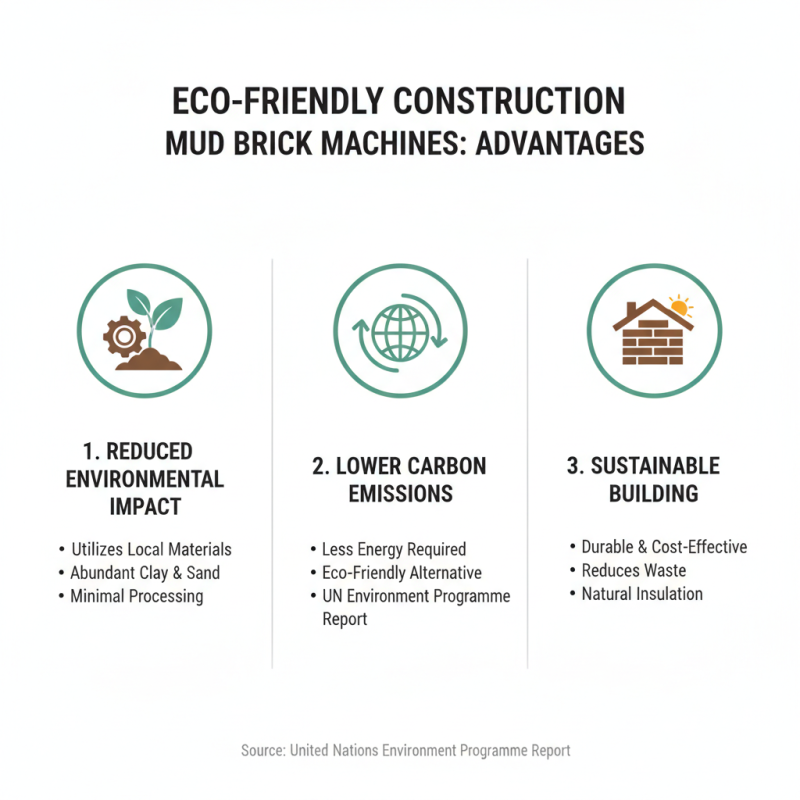
Mud brick machines have gained traction in eco-friendly construction. They significantly reduce environmental impact by utilizing local materials. According to a report by the United Nations Environment Programme, raw materials such as clay and sand are abundant and require minimal processing. This results in lower carbon emissions compared to conventional building methods.
Using mud bricks can also enhance energy efficiency. The thermal properties of mud bricks provide effective insulation, reducing heating and cooling costs. A study by the World Resources Institute indicates that buildings made from mud bricks can use 30% less energy annually. However, consistent quality control can be a challenge, impacting sustainability goals. Uneven bricks might compromise structural integrity, leading to potential repairs.
Additionally, mud brick machines empower local economies. They create jobs and encourage skill development. Many communities can learn to operate these machines, turning them into entrepreneurs. Not all regions, however, have the same access to technology or resources. This disparity can hinder the widespread adoption of mud brick solutions. Addressing these gaps is essential for maximizing benefits in sustainable construction.
Overview of the Sustainability Metrics in Mud Brick Production
The environmental impact of construction has raised serious concerns. Mud brick production stands out for its low carbon footprint. According to a report by the World Green Building Council, mud bricks can reduce greenhouse gas emissions by up to 40% compared to concrete blocks. This statistic highlights a critical sustainability metric—resource efficiency.
Using local materials minimizes transportation needs. Traditional brick production often relies on non-renewable resources and generates significant waste. In contrast, mud bricks can utilize readily available resources. In many regions, clay and earth are abundant. This local sourcing not only cuts down on carbon emissions but also supports local economies.
Tip: When choosing a mud brick machine, consider its energy consumption. Machines that operate with lower energy requirements contribute more significantly to sustainability metrics.
It’s essential to acknowledge that mud brick production also faces challenges. The curing process can be slow and is weather-dependent. Inconsistent drying times may affect the strength of the bricks. Attention must be given to quality control throughout the production process.
Tip: Regular training for workers can enhance the overall output quality and efficiency. Investing in skill development pays off in the long run.
Environmental Impact Metrics of Mud Brick Production
Comparative Analysis of Energy Consumption in Traditional vs. Machine-Made Mud Bricks
Energy consumption is a critical factor in construction. Traditional methods of making mud bricks are often labor-intensive. This can sometimes lead to higher energy costs over time. Manual labor is inefficient compared to machine-made bricks. The energy used in transport and manual mixing can add up quickly.
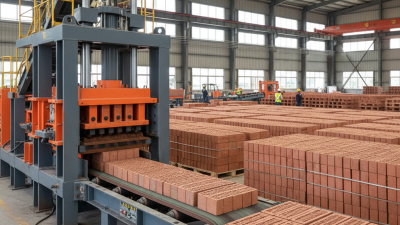
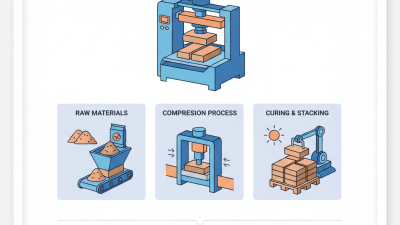
Machine-made mud bricks offer a more streamlined process. They require less energy and produce more bricks in a shorter time. The machines automate mixing, molding, and drying, which reduces waste. However, the initial energy cost to produce these machines can be high.
Moreover, some regions may lack the infrastructure for machine production. This leads to a reliance on traditional methods. While sustainable, this approach can be limited by energy sources. Balancing traditional methods and modern machinery is an ongoing challenge. It is essential to consider local resources and needs in this decision.
Why Choose a Mud Bricks Machine for Sustainable Construction Solutions? - Comparative Analysis of Energy Consumption in Traditional vs. Machine-Made Mud Bricks
| Brick Type |
Energy Consumption (kWh per 1000 bricks) |
Water Usage (liters per 1000 bricks) |
Production Time (hours per 1000 bricks) |
CO2 Emissions (kg per 1000 bricks) |
| Traditional Mud Bricks |
150 |
200 |
40 |
120 |
| Machine-Made Mud Bricks |
80 |
100 |
20 |
50 |
Market Trends and Growth Projections for Mud Brick Construction Solutions
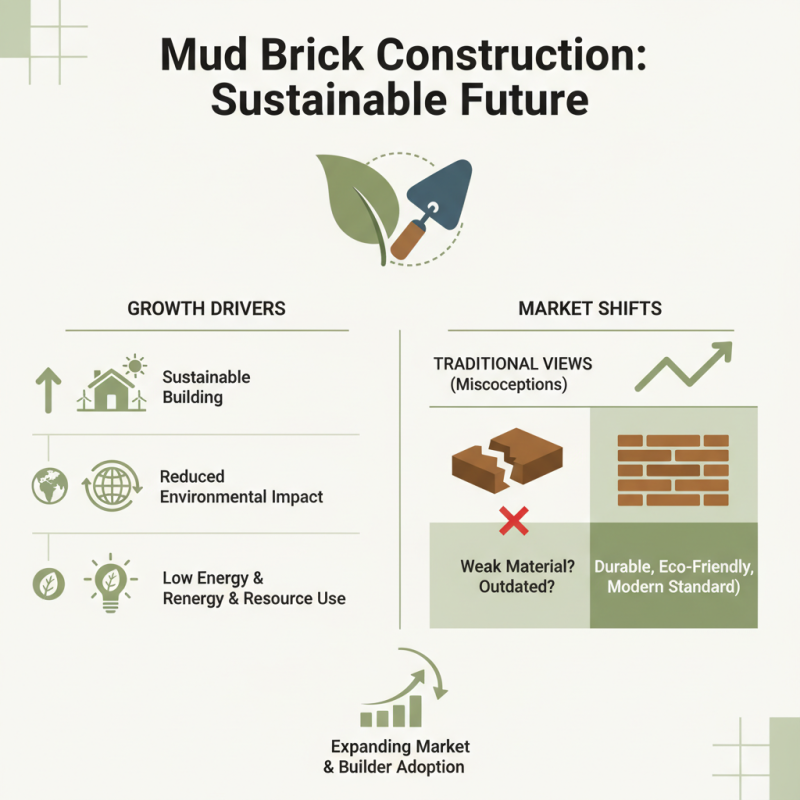
Mud brick construction is gaining popularity as more seek sustainable building options. With an increased focus on environmental impacts, the market for mud brick solutions is expanding. Many builders are now recognizing its benefits. These include low energy consumption and minimal resource use. However, some may still have misconceptions about mud bricks. They may think the material is weak or unsuitable for modern standards.
The growth projections for this industry look promising. Research indicates a rising demand for eco-friendly construction methods. Community support for local resources drives this trend. However, the supply chain for quality materials remains a challenge. Not every area has access to suitable soil types required for optimal mud bricks.
Investors are keen to tap into this potential. They see opportunities in technology that improves production efficiency. Some machines are designed to automate processes, making production faster and easier. Yet, not everyone can afford this technology. Smaller builders might struggle to transition to mud brick solutions. Balancing cost and sustainability is complex.
Case Studies: Successful Implementations of Mud Brick Technology Worldwide
Mud brick technology has gained traction in sustainable construction due to its eco-friendly approach. For instance, in India, communities have adopted mud bricks to build affordable housing. The natural materials contribute to temperature regulation, reducing energy costs. However, challenges remain in scaling these solutions effectively.
In Africa, countries like Ethiopia have also embraced mud brick construction. Community-based projects highlight local craftsmanship and skills. These initiatives often face issues like inconsistent quality and varied climate effects. Despite this, the benefits of utilizing local materials are noteworthy. Communities often reflect on the balance between tradition and modern needs.
Successful implementations can serve as models. For instance, villages that prioritize training in mud brick techniques show promising improvements. Yet, more emphasis on sustainability practices is necessary. It's vital to acknowledge the learning curve involved. These projects are not flawless but can lead to greater community resilience and harmony with the environment.