Leave Your Message

Top Cement Block Machine Manufacturers Worldwide?

Choosing the top Cement Block Machine manufacturers worldwide requires more than comparing product brochures. A reliable manufacturer should demonstrate consistent molding quality, durable components, and responsive technical support. Production managers often notice small details first, such as uneven block edges, noisy hydraulic systems, or frequent mold replacement. These signs can reveal more than polished marketing claims.

This guide examines established manufacturers through practical and professional criteria. We consider machine capacity, vibration technology, automation levels, energy consumption, spare-part availability, and operator training. Factory experience also matters. A machine producing 2,000 blocks per hour may appear attractive, but real output can decline when workers change molds or use inconsistent raw materials. That difference deserves attention.

No list is perfect.

Manufacturers may report performance under ideal conditions. Buyers should request test results, customer references, warranty terms, and installation records. Independent inspections can provide additional confidence before a major investment. Regional service networks also influence long-term value, especially when a sensor fails during a busy production shift.

The companies discussed here serve different markets and construction needs. Some focus on compact machines for small contractors. Others design automated lines for large-scale plants. Their strengths are not identical, and the most famous name may not suit every project. Careful comparison remains essential. With clear specifications and realistic expectations, buyers can select a Cement Block Machine that supports stable production, safer operation, and dependable business growth.
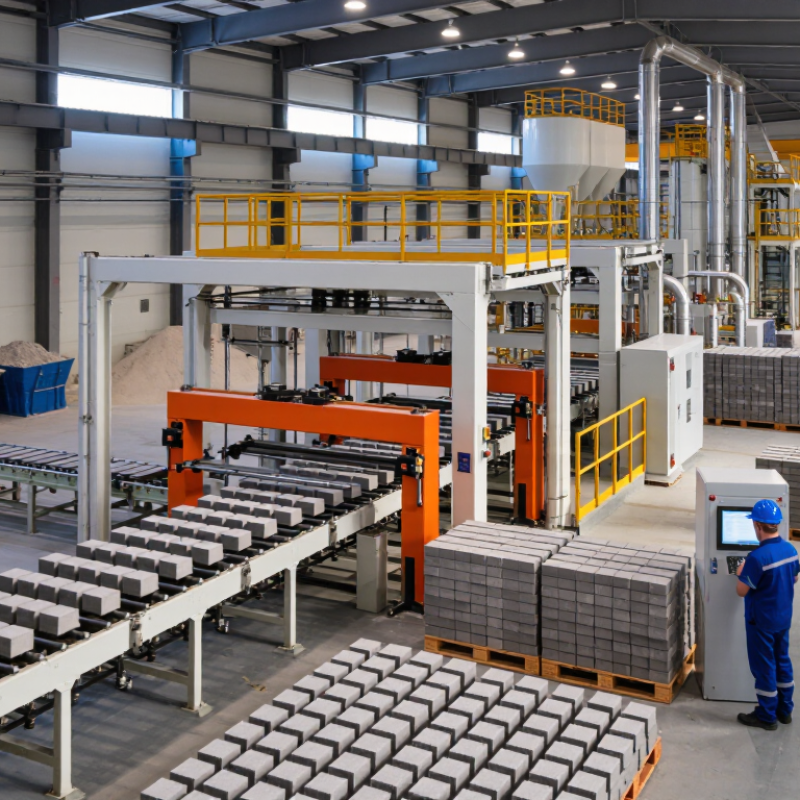
Top Cement Block Machine Manufacturers Worldwide?

What Defines a Leading Cement Block Machine Manufacturer?

What defines a leading cement block machine manufacturer? It begins with verified field performance, not polished brochures. Experienced suppliers explain output by block size, mix moisture, curing method, and cycle time. They publish tolerances and testing methods. A serious factory also shares installation records, spare-parts lead times, and operator training hours. Small details matter.

Reliability should be measurable. The International Energy Agency estimates that cement production creates about 2.5 gigatonnes of direct CO2 emissions annually, nearly 7% of global emissions. This pressure makes energy use, material yield, and product consistency important selection criteria.

A capable manufacturer offers controlled vibration, variable-frequency drives, and process data. It should not promise impossible savings. Buyers should request power consumption per thousand blocks, reject rates, and witnessed trial results. Even good specifications can mislead.

Authority also comes from independent conformity. Machines should support applicable standards for dimensions, safety, electrical systems, and concrete-product testing. The 2023 Global Status Report for Buildings and Construction found that buildings and construction consumed 34% of global energy and produced 37% of energy- and process-related emissions in 2022. This context favors manufacturers documenting lifecycle maintenance, recyclable wear parts, and predictable downtime.

After-sales service is practical proof: remote diagnostics, stocked critical parts, and technicians familiar with local aggregates. A leading supplier should admit limits. I would question any supplier avoiding failure data, rainy-season performance, or maintenance intervals. Trust grows through evidence, not volume.
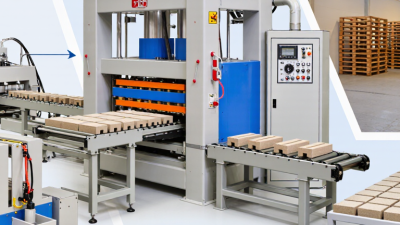
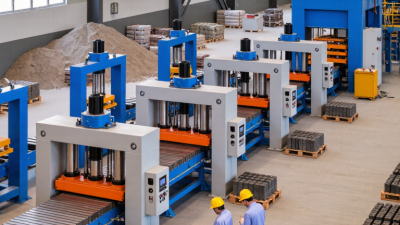
Key Technologies Used in Modern Cement Block Machines

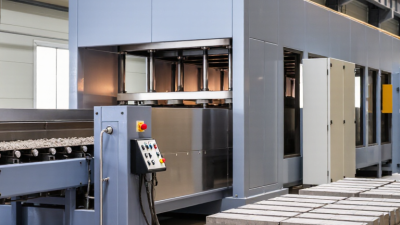
Modern cement block machines rely on several technologies that directly affect strength, accuracy, and production speed. The most important is controlled vibration. It spreads concrete evenly through the mold and reduces hidden air pockets. Too much vibration, however, can separate the mix and weaken block edges.

Hydraulic systems provide steady pressure during compaction. Newer equipment often combines hydraulic control with programmable logic controllers. Operators can adjust pressure, vibration time, and mold movement from a simple control panel. Sensors monitor temperature, oil pressure, and cycle errors. These details help reduce waste and support safer daily operation. Still, automation cannot correct poor aggregates or inconsistent moisture. Material preparation remains critical.

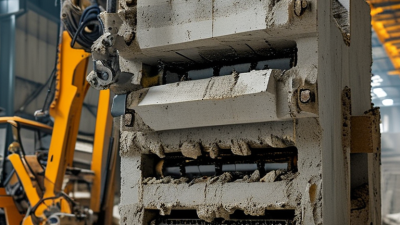
Precision molds also shape modern performance. Hardened steel molds keep dimensions stable across repeated cycles. Quick-change designs can produce hollow blocks, paving units, or specialized construction shapes. After molding, controlled curing protects early strength. Some factories use humidity chambers, while others use steam curing for faster handling. Energy-efficient motors and variable-frequency drives can lower power use during slower cycles. The best technology is not always the most complex. A machine may include advanced sensors yet fail because maintenance is ignored. Regular lubrication, mold inspection, and calibration often matter more than impressive specifications. In practice, manufacturers with strong testing procedures usually deliver more dependable results, but even reliable systems need skilled operators and honest performance checks.

Major Cement Block Machine Manufacturers by Global Region

Cement block machine manufacturers differ greatly by region, because local construction habits shape machine design. In Asia, producers often focus on high output, compact layouts, and affordable automation. These machines suit dense cities and projects using hollow or interlocking blocks. Regional factories commonly offer several mold sizes. Buyers should inspect vibration strength, cycle time, and daily power consumption. A lower purchase price can hide expensive maintenance.

European manufacturers usually emphasize precision, energy efficiency, and strict production controls. Their equipment may include sensor-based feeding systems and carefully engineered hydraulic units. North American and Latin American suppliers often design machines for flexible production. Contractors may switch between paving blocks, wall blocks, and specialty units. Ask for test records using your own mix design. Catalog figures are not enough.

Manufacturers serving the Middle East and Africa often prioritize durability, simple operation, and accessible spare parts. Dust protection matters in dry plants. Reliable technical training matters even more. I have seen impressive machines underperform when operators lacked basic mold-setting skills. That lesson is easy to overlook. Check local service response times, steel quality, warranty terms, and installation support. Independent factory audits and recent customer references can reveal weaknesses that polished demonstrations do not. Regional expertise is valuable, but every claim still needs practical verification.

How to Compare Machine Quality, Capacity, and Automation

Top Cement Block Machine Manufacturers Worldwide?

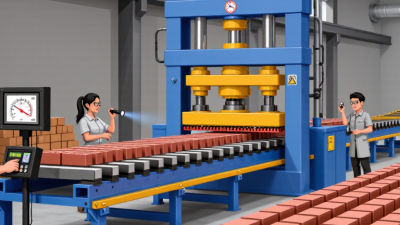
When comparing cement block machine manufacturers worldwide, study evidence rather than polished claims. During factory inspections, check weld seams, mold alignment, hydraulic leaks, and vibration stability. A clean sample proves little. Test at least ten blocks for dimensions, surface cracks, edge damage, and weight variation. Ask for recent production records, not only laboratory results. Confirm the frame material, mold thickness, and compatibility with your curing process. Maintenance logs from similar installations can reveal more than brochures.

Capacity figures often describe ideal cycle times, not normal daily output. Calculate output using mold cavities, cycle duration, working hours, and expected rejection rates. Test your own mixture, including its aggregate size and moisture level. Observe the first fifty cycles. Record loading delays and mold changes. Small interruptions accumulate quickly. A machine rated for high output may perform poorly with frequent product changes. This is easy to overlook.

Automation should reduce mistakes, not simply decorate a specification sheet. Compare PLC controls, sensors, pallet handling, feeding accuracy, and fault alerts. Ask how operators restart the system after power interruptions or sensor failures. Reliable systems offer clear alarms and controlled recovery. Check training quality, spare-part availability, and technical response times. Total cost includes electricity, labor, maintenance, and downtime. I have seen buyers focus too heavily on maximum capacity. That choice can be understandable, but expensive. A supervised production trial may expose weaknesses before installation.

Top Cement Block Machine Manufacturers Worldwide? - How to Compare Machine Quality, Capacity, and Automation
Machine Category Typical Production Capacity* Recommended Block Size Range Automation Level Typical Cycle Time Machine Quality Indicators Typical Installed Power Labor Requirement Best Application Overall Evaluation
Manual or Basic Hydraulic Press 800–2,500 standard blocks per 8-hour shift 390 × 190 × 190 mm and similar small-format blocks Manual feeding, manual pallet handling, hydraulic compaction 25–45 seconds per cycle Welded steel frame; replaceable mould; stable hydraulic pressure; accessible service points 5.5–11 kW 4–7 operators per shift Small construction projects, local production, and entry-level operations Low investment / basic output
Semi-Automatic Hydraulic Block Machine 2,500–6,000 standard blocks per 8-hour shift 390 × 190 × 190 mm; paving blocks and solid blocks with interchangeable moulds Automatic vibration and pressing; manual material loading and pallet transfer 18–30 seconds per cycle Consistent vibration frequency; pressure monitoring; hardened mould surfaces; PLC-based controls 11–22 kW 3–5 operators per shift Small and medium-sized block plants requiring flexible production Balanced cost / productivity
Fully Automatic Single-Pallet Machine 6,000–12,000 standard blocks per 8-hour shift Hollow blocks, solid blocks, curbs, and paving blocks using quick-change moulds Automatic batching interface, feeding, vibration, pressing, and pallet transfer 12–20 seconds per cycle Precision-machined mould box; synchronized vibration motors; automatic lubrication; fault alarms 22–45 kW 2–4 operators per shift Commercial production with consistent daily demand High consistency / medium-high output
Fully Automatic Multi-Layer Production Line 12,000–30,000 standard blocks per 8-hour shift Hollow blocks, solid blocks, interlocking pavers, and kerbstones Automatic batching, moulding, pallet circulation, stacking, and curing transfer 8–15 seconds per cycle Closed-loop process control; rigid machine frame; automated mould alignment; overload protection 45–90 kW for the main line, excluding batching and curing equipment 3–6 operators per shift Medium and large plants producing several product types High automation / scalable capacity
High-Speed Industrial Block Line 30,000–60,000+ standard blocks per 8-hour shift High-volume hollow blocks, paving blocks, slabs, and special concrete products Integrated batching, moisture control, automatic mould exchange, pallet logistics, stacking, and data monitoring 5–10 seconds per cycle Servo-controlled movement; automated quality inspection; vibration feedback; predictive maintenance data 90–180+ kW for the complete production system, depending on configuration 4–8 operators per shift Large-scale plants supplying regional or national markets Maximum output / highest capital cost
Specialized Paver and Kerbstone Machine 3,000–15,000 m² of paving products per 8-hour shift Interlocking pavers, slabs, kerbstones, and landscape products Automatic face-mix dosing, vibration, pressing, pallet transfer, and stacking options 10–25 seconds per cycle Accurate face-mix control; high-frequency vibration; wear-resistant moulds; uniform demoulding 30–75 kW 2–5 operators per shift Decorative paving, municipal works, roads, and landscaping products Best for product appearance and dimensional control
Mobile or On-Site Block Machine 1,500–5,000 standard blocks per 8-hour shift Standard hollow and solid blocks produced directly on prepared floors Integrated movement system; limited automation; minimal pallet handling 15–35 seconds per cycle Compact frame; reliable travel mechanism; simple mould replacement; low setup complexity 7.5–30 kW 2–4 operators per shift Remote construction sites and projects where transport of finished blocks is costly High mobility / limited product flexibility
*Capacity figures are typical planning ranges based on standard 390 × 190 × 190 mm concrete blocks, an 8-hour shift, suitable raw materials, and normal machine availability. Actual output depends on block dimensions, concrete mix design, mould configuration, curing method, operator skill, maintenance, and site conditions.

Choosing the Right Manufacturer for Your Production Needs

Choosing the right cement block machine manufacturer starts with your production reality, not catalogue promises.

Estimate daily output, block dimensions, labor availability, power supply, and curing space. A factory making 8-inch hollow blocks needs different tooling from one producing paving units. Confirm cycle time with independently tested samples. Marketing figures often assume ideal materials and uninterrupted shifts.

Energy efficiency also matters. The International Energy Agency reports that cement production creates about 7% of global energy and process-related CO2 emissions.

Efficient vibration systems, hydraulic controls, and durable molds can reduce waste and operating costs. Ask for documented electricity consumption per block, spare-parts availability, operator training, and maintenance response times.

Request references from plants with similar aggregate quality.

One overlooked detail is moisture control; inconsistent mix water can cause cracked edges, weak corners, and rejected pallets.

I have seen production plans fail because curing capacity was treated as an afterthought.

Tips:

  • Compare total ownership cost, not purchase price.
  • Review at least three years of maintenance records.
  • Check whether molds can be changed without long shutdowns.
  • Require acceptance testing against relevant standards, such as ASTM C90 or the applicable local equivalent.
  • Inspect the supplier’s factory if possible.
  • A video call helps, but it is not the same as touching a finished block.
  • Leave room for uncertainty; local sand, climate, and operator skill can change results more than expected.