Top 10 Clay Interlocking Brick Machines You Should Know About?
The construction industry is evolving rapidly. One significant advancement is the rise of the Clay Interlocking Brick Machine. As experts highlight, these machines play a crucial role in sustainable building practices. Dr. Samuel Harris, a leading authority in construction technology, states, “The Clay Interlocking Brick Machine represents a key change in efficient masonry.”
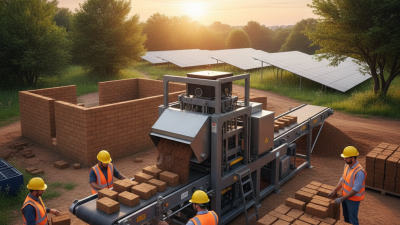
Clay interlocking bricks are known for their durability and eco-friendliness. They reduce the need for cement, a significant source of carbon emissions. Machines that produce these bricks are increasingly versatile. With precise engineering, they ensure consistent quality and strength in bricks, which is vital for modern construction.
However, not all machines are created equal. The market offers various options, each with unique features and specifications. This diversity can create confusion for buyers. Understanding the technology behind these machines is essential to make informed choices. Investing in the right equipment can lead to substantial long-term savings and enhanced productivity in building projects.
Understanding Interlocking Brick Machines: A Brief Overview
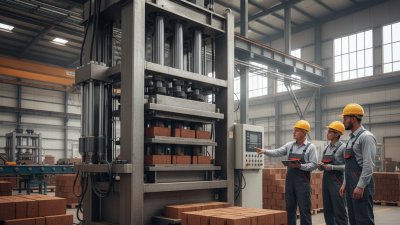
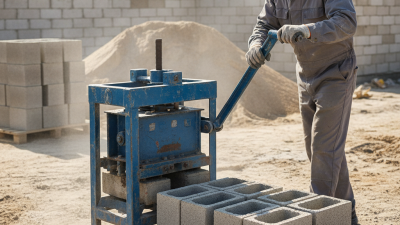
Interlocking brick machines are crucial in modern construction. These machines produce durable bricks that fit together without the need for mortar. They enhance building efficiency and minimize construction time. Understanding how these machines operate helps in selecting the right one for your project.
Typically, an interlocking brick machine works by compacting clay or soil mixed with additives. Users must pay attention to the mixture's consistency and moisture content. This step is vital for ensuring the quality of the bricks. Control settings also require regular monitoring. They impact the final product's strength and shape. However, not every machine performs equally well under different conditions. Hence, potential buyers should consider the machine's specifications and their operational environment.
Investing in an interlocking brick machine can seem daunting. Numerous options exist, each promising efficiency and reliability. Decisions should be made based on real needs, not just marketing claims. Users often overlook maintenance, which affects machine longevity. Regular upkeep is essential for optimal performance. Remember, technology can only work as well as the user behind it.
Top 10 Clay Interlocking Brick Machines You Should Know About
| Machine Model |
Production Capacity (Bricks/Hour) |
Brick Size (mm) |
Power Requirement (kW) |
Weight (kg) |
| Model A1 |
1200 |
200 x 100 x 100 |
15 |
1500 |
| Model B2 |
1000 |
230 x 110 x 90 |
18 |
1600 |
| Model C3 |
1500 |
250 x 120 x 100 |
20 |
1800 |
| Model D4 |
1100 |
220 x 105 x 90 |
17 |
1550 |
| Model E5 |
1250 |
240 x 115 x 100 |
19 |
1700 |
| Model F6 |
1300 |
210 x 100 x 90 |
16 |
1600 |
| Model G7 |
1400 |
200 x 100 x 100 |
21 |
1750 |
| Model H8 |
1150 |
225 x 110 x 90 |
14 |
1400 |
| Model I9 |
1350 |
210 x 100 x 95 |
22 |
1850 |
| Model J10 |
1000 |
240 x 120 x 100 |
15 |
1500 |
Key Features to Consider When Selecting Clay Interlocking Brick Machines
When selecting clay interlocking brick machines, certain key features are crucial to ensure efficiency and quality. Consider the machine's production capacity. A higher capacity means more bricks per hour, which can significantly reduce project timelines. Look for models that allow easy adjustments to meet varying production needs.
Another important aspect is the energy consumption. Efficient machines save money and reduce environmental impacts. Pay attention to those with modern technology that optimizes energy usage during production. This can be a game changer for long-term operations.
Tips: Always check machine durability. Long-lasting machines can withstand wear and tear better, leading to fewer replacements. Also, consider the after-sales service offered by the manufacturer. Good support ensures that issues are resolved quickly, keeping your production on track. Ensure you read user reviews or seek expert opinions.
Don’t forget to assess the machine's versatility. Some models handle different brick sizes or shapes, increasing their utility. Think about current and future project needs before making a decision. A machine that fits your current requirements might not serve well as your needs evolve.
Top 10 Clay Interlocking Brick Machines and Their Specifications
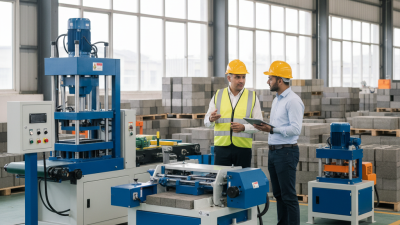
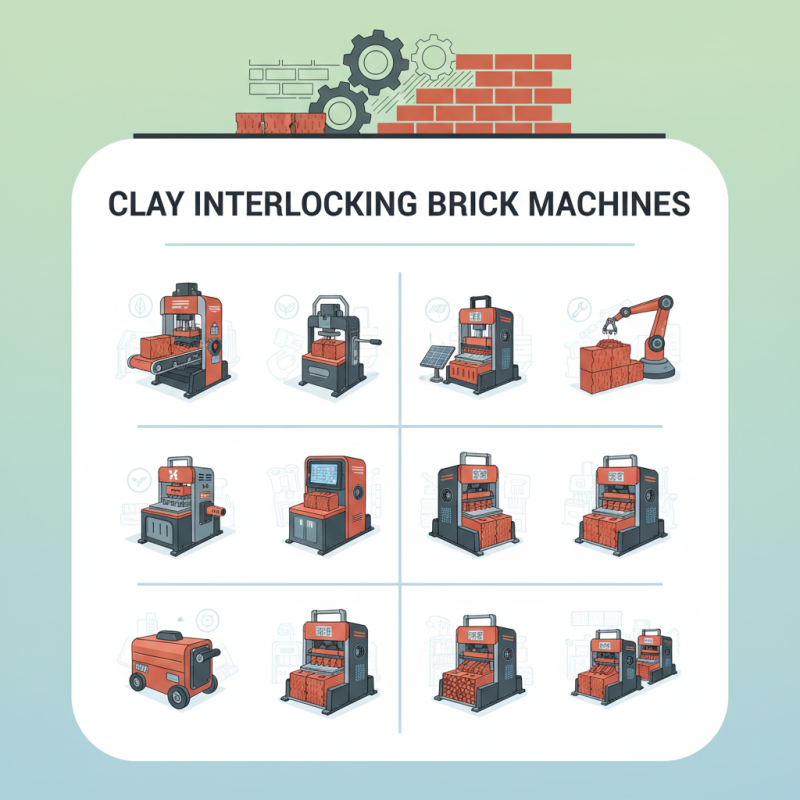
When exploring the world of clay interlocking brick machines, understanding their specifications is crucial. These machines vary widely in features. Key specifications include production capacity, brick size compatibility, and energy efficiency. Knowing these aspects helps buyers make informed decisions.
In choosing the right machine, consider your production needs and budget. Some machines might not fit specific requirements. It's essential to analyze the layout of your workspace as well. Ensure there’s enough room for operation and maintenance.
Tips: Regular maintenance enhances machine longevity. Inspect components often. Additionally, factor in the local climate. Humidity can affect clay input quality. Proper storage solutions can mitigate problems.
Investing time in researching these machines can pay off. Read reviews and user feedback. Understanding both advantages and disadvantages of different models will lead to better choices. Each machine has unique strengths. Familiarizing yourself with them encourages smarter purchases.
Comparison of Efficiency and Output Among Leading Brick Machines
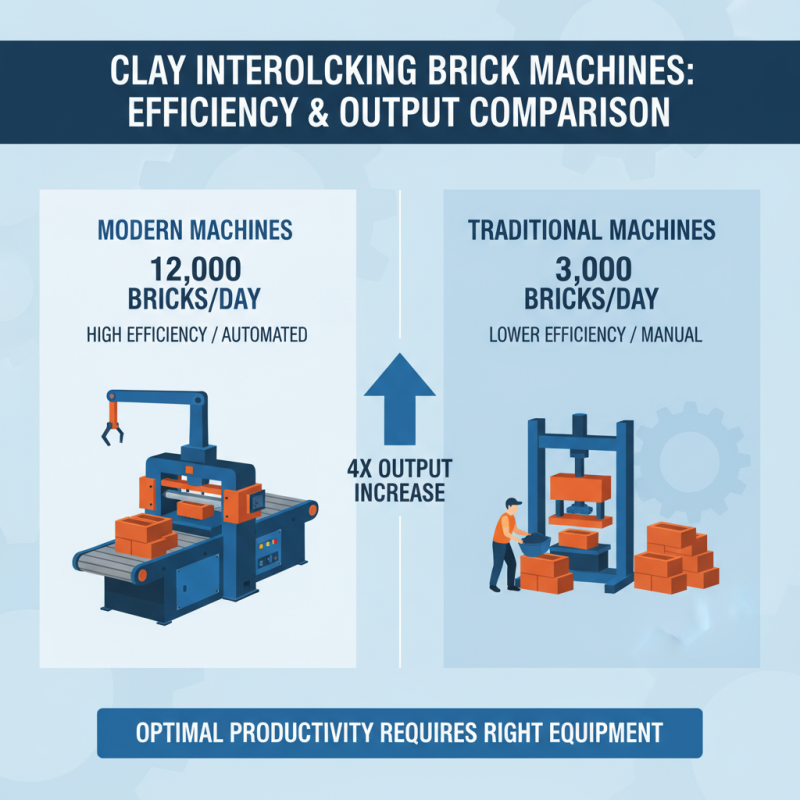
When comparing efficiency and output among leading clay interlocking brick machines, various factors come into play. Recent industry reports indicate that the efficiency of these machines can vary significantly. For instance, some advanced models can produce up to 12,000 bricks per day, while older machines may only reach 3,000. This disparity showcases the importance of selecting the right equipment for optimal productivity.
Moreover, the energy consumption of these machines is another critical aspect. According to multiple studies, new machines are designed to consume 15-20% less energy than their predecessors, promoting more sustainable production. However, not all manufacturers achieve this efficiency. Some machines still rely on outdated technology, leading to increased operational costs.
Aside from output, the quality of bricks produced is vital. Even high-output machines may not consistently produce high-quality bricks. Reports have shown that inconsistencies in raw material handling and moisture content can lead to defects. Addressing these issues is essential for manufacturers aiming for both volume and quality in production. The choice of machine should reflect a balance between efficiency, cost, and product reliability.
Maintenance Tips for Optimal Performance of Brick Interlocking Machines
When operating clay interlocking brick machines, maintenance is paramount for achieving optimal performance. Regular inspections can help identify potential issues early. This includes checking belt tensions and ensuring all mechanical parts are lubricated properly. Neglecting these aspects can lead to unexpected downtime.
Dust and debris can accumulate, impacting efficiency. Use a soft brush or compressed air to clean the machine. Additionally, ensure that the hydraulic systems are working fluidly. Any leaks should be addressed immediately to avoid larger repairs. Small oversights can lead to significant production delays.
Operator training is crucial. All team members should understand machine operations and maintenance procedures. Regular training sessions can help reinforce best practices. Create a checklist for daily, weekly, and monthly tasks. This helps ensure no critical tasks are overlooked. An organized approach can save time and resources in the long run.
Top 10 Clay Interlocking Brick Machines Performance Comparison
This chart compares the production output of the top 10 clay interlocking brick machines, showcasing their efficiency in bricks produced per hour. The data indicates the capabilities of each machine in the market.