

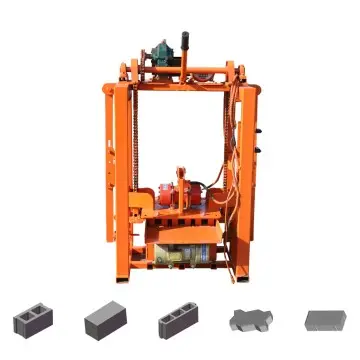
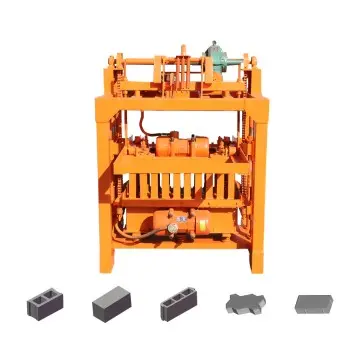
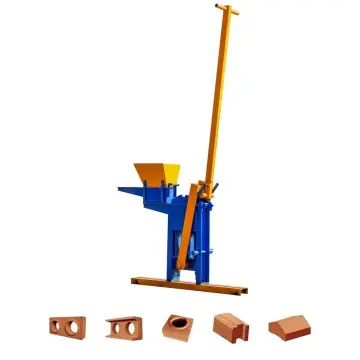
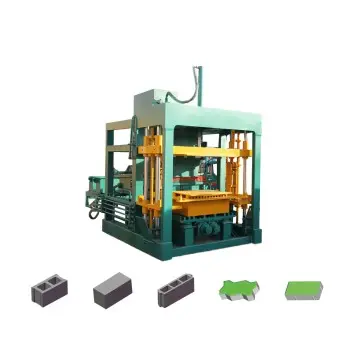
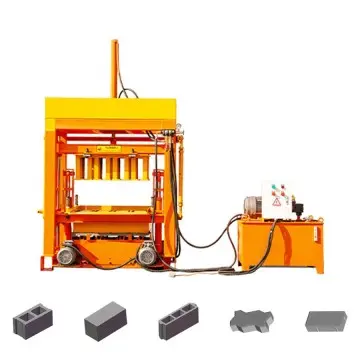
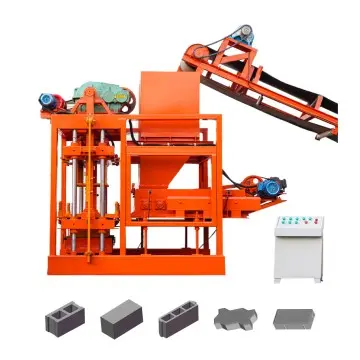
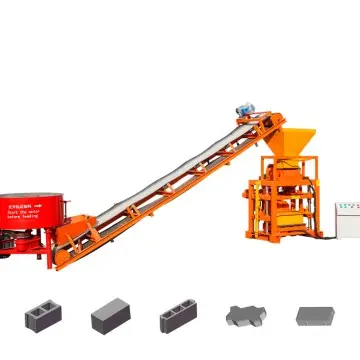
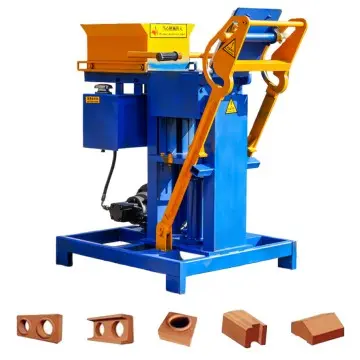


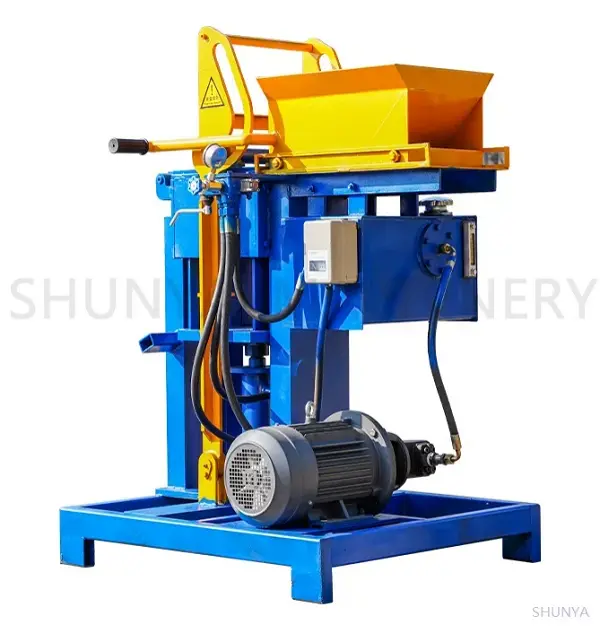
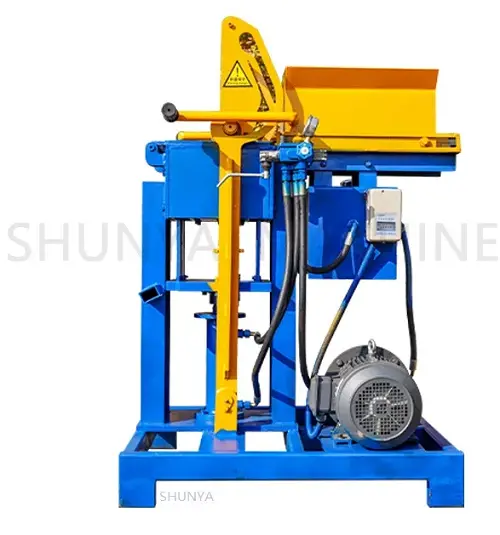
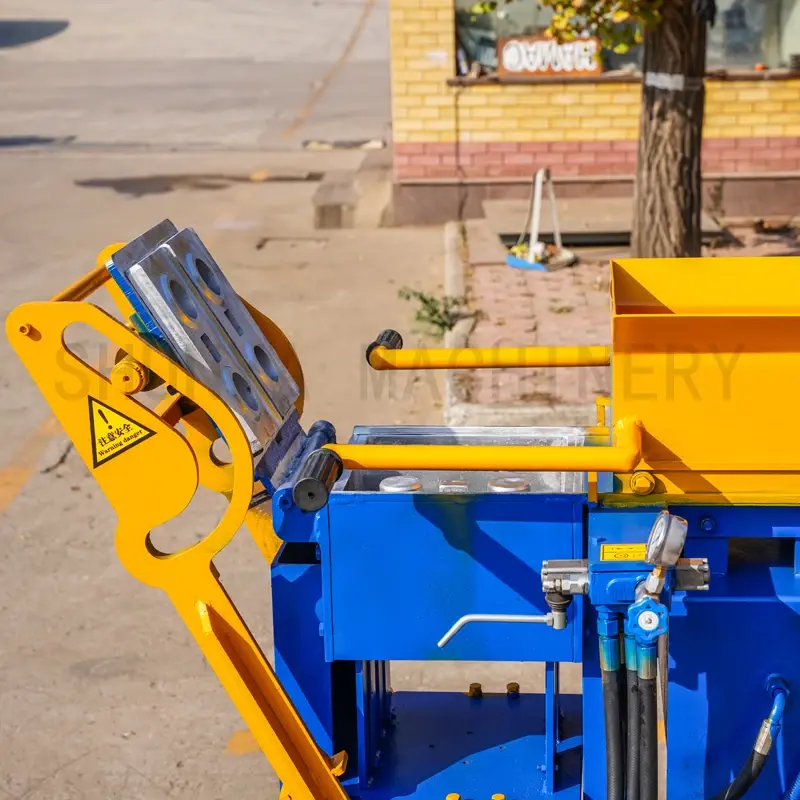
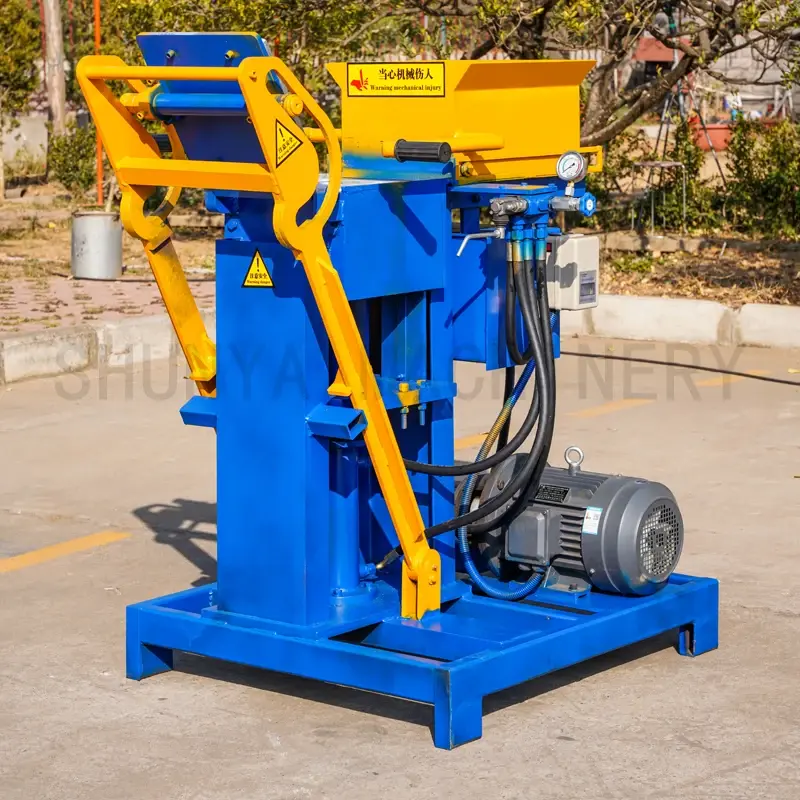
Good Performance SY2-25 Hydraulic Interlocking clay soil brick making machinery
Product details page content section:
Specification
The overall size of the SY2-25 clay brick Making machine is 1600×1100×1530mm, and its cycle time is 25 seconds. The electrical source is 380v/50Hz,the voltage can be adjusted according to the customer's requirements.The power of the brick making machine is 5.5kilowatts. The diesel version of this machine has a power output of 8 horsepower.And the total weight of the machine is 800 kilograms.The machine occupies 3 cubic meters.
Elaborate Design
1.The SY2-25 clay brick-making machine is cast with steel plates in accordance with national standards, which is sturdy and has a long service life.
2.The brick-making machine is equipped with a high-quality motor, ensuring reliable performance and providing continuous and stable power supply.
3.After repeated tests by the engineers, the SY2-25 clay brick-making machine has a higher waterproof rating, which can better prevent damage to internal components and extend the lifespan of the machine.
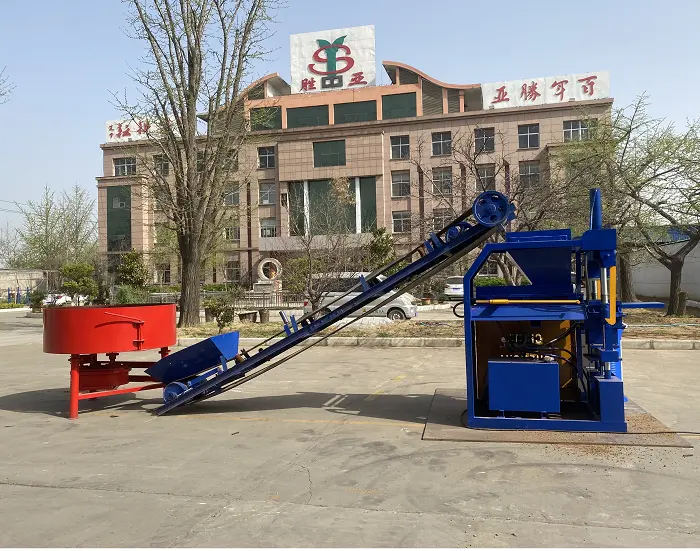
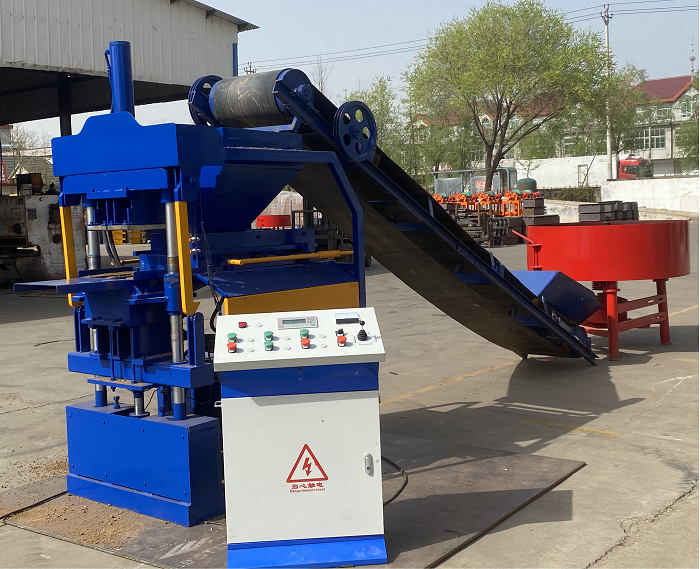
Product Presentation
SY2-25 clay brick making machine can also produce various types of blocks with different structures and shapes. The bowl-shaped blocks it produces can be joined and interlocked by being parallel in one line or by being parallel in both the upper and lower lines. Moreover, the wall surface is indeed smooth and does not require any sand filling to remove the gaps. When the wall is hollow, it will help to inhibit heat.The working principle of the SY2-25 clay brick machine is based on the pressure transmission of the hydraulic system. It uses an electric motor to drive the hydraulic pump to generate high-pressure oil, which is then controlled by the hydraulic valve group and output to the pressing mold mechanism. This applies uniform and controllable pressure to the clay raw materials inside the mold, causing the materials to bond tightly and form a complete brick. Compared to traditional mechanical brick-making machines, the hydraulic transmission can provide greater pressing force and the pressure adjustment is precise, ensuring that the bricks have consistent density and meet the strength standards.