Choosing the right Paver Block Machine is not a simple ranking exercise. Global buyers face different materials, labor costs, power supplies, and construction demands. A compact machine may suit a small regional plant, while a fully automatic line may serve large infrastructure projects. The best choice depends on production goals, not appearance.
Ralf Behrens, a concrete machinery specialist associated with Masa, expresses a useful principle: “Machine performance depends on the consistency of the complete production process.” That idea matters. A powerful press cannot correct poor mix design, uneven aggregates, weak curing, or careless mold maintenance. Buyers should examine vibration quality, hydraulic stability, mold-changing time, cycle output, energy use, and after-sales support. Spare parts availability matters too. Waiting weeks for a sensor can stop a factory.
This guide compares seven leading Paver Block Machine options for international buyers. It considers practical details, including automation levels, block sizes, surface finishes, and estimated operating demands. Some machines appear impressive on paper. Real performance may change at high humidity, unstable voltage, or dusty job sites. That limitation deserves attention.
No machine wins everywhere. Not quite.
A reliable decision should balance initial price with service life, operator training, product consistency, and local technical support. Buyers should also request sample production, maintenance records, and clear warranty terms. These steps may feel slow, but they reduce expensive surprises. The following comparison offers a structured starting point, while leaving room for site-specific testing and careful professional judgment.
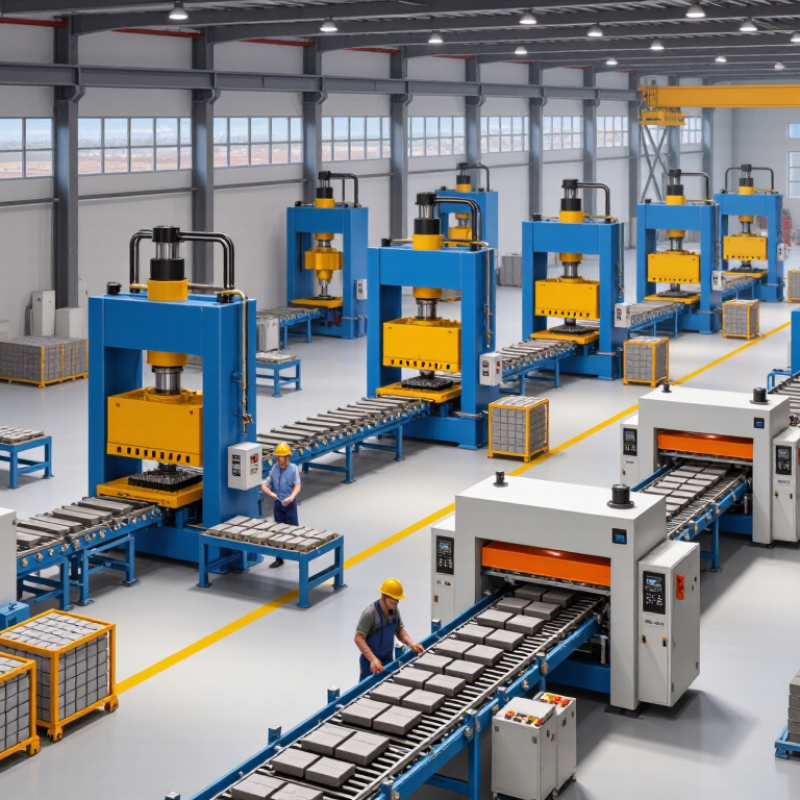
Global buyers should evaluate seven machine qualities: output stability, compaction pressure, mold flexibility, energy use, automation, maintenance access, and technical support. A high hourly capacity means little if blocks vary in height, density, or curing performance. Request test samples using local aggregates, then measure dimensions, water absorption, compressive strength, and surface defects.
Energy deserves careful attention. The International Energy Agency reports that cement production creates about 7% of global carbon dioxide emissions. Therefore, compare motor efficiency, hydraulic response, standby consumption, and cycle time rather than trusting a single power rating. The 2023 UNEP Global Status Report also states that buildings and construction consumed 32% of global energy and produced 34% of global CO2 emissions in 2022. Efficient machinery cannot solve everything, but it can reduce avoidable factory waste.
International projects also require practical documentation. Check voltage compatibility, electrical protection, spare-part availability, operator training, and remote troubleshooting. Confirm whether molds match regional block standards and transport limits. I would not select the fastest machine automatically. Fast production may increase rejected blocks if feeding or vibration is inconsistent. That is a common blind spot. A short factory trial, witnessed by an independent technician, often reveals more than impressive brochures. Use a five-year cost model covering energy, molds, labor, repairs, rejected products, and downtime. The cheapest purchase can become expensive quickly.
What Are the 7 Best Paver Block Machines for Global Buyers?
Global buyers usually compare seven practical machine configurations: manual vibrating machines, semi-automatic hydraulic presses, fully automatic hydraulic lines, mechanical presses, double-layer machines, mobile units, and integrated production systems. Each type suits a different factory scale. Manual vibration works for small orders and limited budgets. Hydraulic pressing delivers denser blocks with sharper edges. Mechanical systems can provide steady output, but they may need more frequent adjustment.
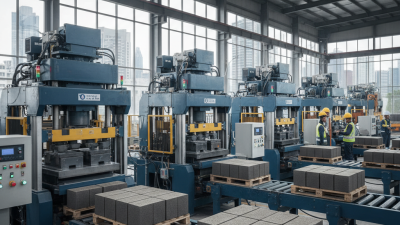
Vibration technology helps concrete spread evenly inside the mold. Hydraulic pressure then reduces voids and improves dimensional consistency. Double-layer machines add a colored or textured surface during one molding cycle. Fully automatic lines connect batching, feeding, molding, pallet handling, and curing. This reduces handling errors. It also requires trained technicians and stable electrical power. Mobile machines support short-distance projects, although their mold changes can be slower than expected.
Material control matters as much as machine selection. A reliable setup uses calibrated feeders, moisture checks, and replaceable mold components. Buyers should examine cycle time under real mix conditions, not only catalog figures. Ask for test samples using local sand, cement, and aggregate. Small differences in moisture can change block strength and surface quality. Factory teams often overlook curing space. That mistake can weaken otherwise well-pressed pavers. Noise, dust control, spare parts, and operator safety also deserve careful review. No machine is perfect. The best choice depends on output goals, labor skills, climate, and maintenance discipline.
What Are the 7 Best Paver Block Machines for Global Buyers?
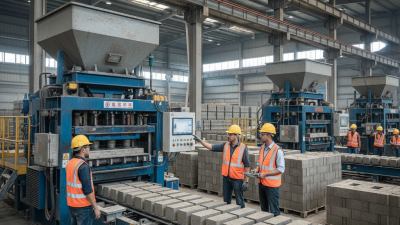
Seven leading paver block machines differ sharply in capacity, automation, and maintenance needs. A manual hydraulic machine may produce 800–1,500 blocks per eight-hour shift. It suits small projects and unstable power supplies. A semi-automatic vibro-press can reach 2,000–4,000 blocks daily. It offers better consistency, but still needs skilled feeding. A fully automatic single-layer machine commonly produces 4,000–8,000 blocks per shift. Its sensors reduce handling errors. A double-layer machine adds a colored surface, often producing 3,000–6,000 blocks daily. A high-speed automatic line may exceed 8,000 blocks per shift. It requires accurate mix control and trained technicians. Curbstone machines focus on larger profiles, while interlocking block machines support many mold patterns. Their output usually falls between 1,500 and 5,000 pieces daily.
Capacity figures vary with mold size, curing time, and operator discipline. They are not promises. Grand View Research valued the global precast concrete market at over USD 140 billion in 2023. This growth supports investment, but buyers should avoid choosing capacity alone. The GCCA reports that concrete contributes roughly 7% of global carbon emissions. Energy-efficient motors, shorter material routes, and durable molds therefore matter. In practice, a slower machine with fewer rejects may outperform a faster line. That point is often missed.
Tips: Request a tested production sample. Check vibration frequency, mold steel grade, spare-part access, and power demand. Compare output using your exact block dimensions. Ask for independent noise and energy data. Also inspect the curing area. A perfect press cannot repair poor curing. I would leave a safety margin of 15–20% below advertised capacity, because real factories are rarely perfect.
Seven common paver block machine configurations compared by representative nominal capacity and operating features
| Machine configuration | Typical automation | Main strengths | Typical applications |
|---|---|---|---|
| Manual hydraulic press | Manual feeding and demolding | Low investment and simple maintenance | Small workshops and local projects |
| Semi-automatic hydraulic press | Mechanical feeding with manual handling | Balanced cost and productivity | Small and medium production yards |
| Vibration hydraulic machine | Automated vibration and hydraulic pressing | Improved density and surface finish | Pavers, curbs and solid blocks |
| Automatic hydraulic machine | PLC-controlled production cycle | Consistent output and reduced labor | Commercial block manufacturing |
| High-pressure automatic machine | Automated feeding, pressing and palletizing | High density and high production volume | Large construction-material plants |
| Multi-layer automatic machine | Continuous multi-layer forming | Efficient floor-space utilization | High-volume paver production |
| Fully automatic production line | Integrated batching, forming, curing and handling | Lowest manual labor per unit | Export-scale and industrial plants |
The chart uses representative nominal output ranges commonly specified for these machine configurations. Actual capacity depends on block dimensions, mold layout, concrete mix, curing time, operator skill, and plant configuration. Buyers should confirm tested output under their target product conditions before making a purchase.
What Are the 7 Best Paver Block Machines for Global Buyers?
The seven practical choices include manual, semi-automatic, fully automatic, hydraulic, vibration-table, stationary, and mobile machines. The best option depends on output, labor costs, and local construction demand. Material compatibility matters greatly. A reliable machine should handle concrete mixes with sand, cement, aggregates, and approved pigments without excessive wear. Ask for test blocks before purchasing. Check their dimensions, edge sharpness, density, and compressive strength against local standards.
Automation can improve consistency, but more sensors and controls also require trained operators. Semi-automatic equipment may suit small factories with limited technical staff. Fully automatic lines reduce repetitive labor and improve production records. However, a perfect machine on paper may disappoint when operators lack training. That detail is often underestimated. Review cycle time, mold-changing procedures, hydraulic pressure, and safety interlocks. Remote diagnostics can help, but stable local technical support remains more valuable.
Energy use affects every block’s real cost. Compare motor ratings, vibration frequency, standby consumption, and daily production volume. An efficient system should not sacrifice compaction quality for lower electricity use. Maintenance planning deserves equal attention. Inspect molds, bearings, hydraulic hoses, and electrical cabinets regularly. Keep spare wear parts in dry storage, especially in humid regions. Ask for a maintenance schedule, lubrication points, and realistic service intervals. Some buyers focus on purchase price and regret ignoring downtime, dust control, and operator training.
| Machine Configuration | Typical Production Capacity | Suitable Products | Recommended Materials | Automation Level | Typical Installed Power | Energy Considerations | Maintenance Requirements | Best Application |
|---|---|---|---|---|---|---|---|---|
|
1. Manual Hydraulic Paver Press
Entry Level
Small Batch
|
Approximately 300–800 standard pavers per 8-hour shift, depending on mold size, labor, and curing workflow. | Interlocking pavers, garden blocks, small solid blocks, and simple landscaping units. | Cement, sand, stone dust, and graded aggregates. Moist semi-dry mixes are commonly used. | Manual loading and demolding; hydraulic pressing with limited controls. | About 3–7.5 kW, excluding optional mixers and conveyors. | Low machine energy use; labor demand is relatively high. | Daily mold cleaning, hydraulic-oil checks, bolt tightening, and regular inspection of hoses and seals. | Small contractors, rural projects, startup production, and markets with low labor costs. |
|
2. Semi-Automatic Hydraulic Vibropress
Flexible
Small to Medium
|
Approximately 1,000–2,500 standard pavers per 8-hour shift under stable operating conditions. | Concrete pavers, hollow blocks, solid blocks, kerbstones, and basic decorative units. | Portland cement or blended cement, manufactured sand, stone dust, and crushed aggregate. | Automatic vibration and hydraulic pressing; manual material feeding or pallet handling is normally required. | About 7.5–15 kW, depending on vibration motors and hydraulic-pump size. | Moderate energy consumption; good balance between equipment cost and output. | Inspect vibration bearings, hydraulic filters, mold alignment, electrical terminals, and wear plates. | Small and medium producers serving local construction and landscaping markets. |
|
3. Fully Automatic Stationary Vibropress
High Efficiency
Consistent Quality
|
Approximately 3,000–8,000 standard pavers per 8-hour shift, depending on mold cycle and product dimensions. | Interlocking pavers, hollow blocks, solid blocks, kerbstones, and paving slabs. | Controlled semi-dry concrete using cement, graded aggregates, sand, pigments, and approved admixtures. | Automatic feeding, vibration, pressing, pallet transfer, and programmable cycle control. | About 18.5–45 kW for the main machine, excluding the full batching and curing system. | Higher connected load but lower energy per unit when operating near rated capacity. | Scheduled lubrication, sensor checks, PLC backup, hydraulic-filter replacement, and preventive inspection of molds. | Commercial plants requiring repeatable dimensions, high throughput, and reduced labor dependence. |
|
4. Mobile Concrete Block and Paver Machine
On-Site Production
Low Handling
|
Approximately 500–2,000 units per 8-hour shift, depending on travel speed, product size, and site conditions. | Hollow blocks, solid blocks, basic pavers, and low-complexity construction units. | Locally available cement, sand, fine aggregate, and coarse aggregate with consistent moisture control. | Machine moves over the fresh production surface; feeding and mix preparation may be semi-automatic. | About 5.5–15 kW, depending on hydraulic and vibration systems. | Reduced pallet and transport energy; site leveling and mix logistics are critical. | Frequent checks of wheels, hydraulic components, vibration units, scrapers, and frame alignment. | Infrastructure projects, remote sites, temporary plants, and locations where pallet handling is difficult. |
|
5. High-Pressure Hydraulic Paver Press
Dense Products
Premium Finish
|
Approximately 2,000–5,000 pavers per 8-hour shift, based on mold cavities and cycle time. | High-density interlocking pavers, heavy-duty slabs, kerbstones, and two-layer paving products. | High-quality cement, carefully graded aggregates, controlled pigments, and performance admixtures. | Automated or semi-automated hydraulic pressing with high compaction force and optional face-mix feeding. | About 22–55 kW, excluding mixers, conveyors, and curing equipment. | Higher peak power demand; efficient when used for dense products and continuous production. | Hydraulic-oil filtration, pressure calibration, mold wear measurement, platen inspection, and scheduled seal replacement. | Heavy-traffic paving, industrial yards, municipal roads, and products requiring high dimensional stability. |
|
6. Multi-Layer or Face-Mix Paver Machine
Decorative Surface
Premium Products
|
Approximately 2,500–6,000 standard pavers per 8-hour shift, depending on the number of layers and curing cycle. | Colored pavers, textured slabs, polished-look units, permeable pavers, and premium architectural products. | Base concrete plus a controlled face mix containing fine aggregates, mineral pigments, and compatible admixtures. | Automatic base-mix and face-mix feeding, programmable vibration, pressing, and pallet transfer. | About 25–60 kW for the production line, excluding batching and curing systems. | Moderate-to-high energy use; optimized batching and short transfer distances improve efficiency. | Clean face-mix hoppers and molds after each shift; inspect dosing screws, pigment systems, sensors, and conveyors. | Retail landscaping, urban streetscapes, export products, and markets where surface appearance commands a premium. |
|
7. High-Speed Automated Paver Production Line
Industrial Scale
Integrated Line
|
Approximately 8,000–20,000 standard pavers per 8-hour shift, depending on product size, mold cavities, and line utilization. | Large-volume production of pavers, blocks, slabs, kerbstones, and specialized concrete units. | Engineered cementitious mixes with calibrated aggregates, moisture control, pigments, and approved chemical admixtures. | Integrated batching, mixing, feeding, pressing, pallet circulation, stacking, and production monitoring. | About 45–120 kW for the core line; total plant demand is higher when curing chambers and extensive conveyors are included. | Highest connected load, but potentially the lowest energy per unit at high utilization and optimized cycle times. | Requires preventive-maintenance planning, spare sensors and wear parts, PLC diagnostics, lubrication schedules, and trained technicians. | Large precast manufacturers, municipal supply contracts, export-oriented plants, and continuous production operations. |
| Buying note: Actual output, power demand, and product quality vary with mold cavity count, paver dimensions, concrete moisture, aggregate grading, curing conditions, operator skill, and factory layout. Buyers should request a production trial using locally available materials before finalizing a machine. | ||||||||
Choosing among the seven best paver block machines requires more than comparing production speed. Global buyers should examine export readiness, installation support, and long-term service. A reliable machine supplier provides a clear packing list, accurate dimensions, spare-parts recommendations, and electrical specifications. Confirm whether the machine suits local voltage, workshop space, raw materials, and container limits. A fast machine is not always the best machine.
Installation experience matters greatly. Ask for foundation drawings, wiring diagrams, operation videos, and remote commissioning support. For larger systems, an engineer may need to supervise mold alignment, hydraulic settings, and vibration performance. Small mistakes can create uneven blocks, surface cracks, or excessive material waste. I have seen buyers focus on output figures and overlook curing space. That decision can reduce real production.
Tips: Request sample blocks before ordering. Check compressive strength, dimensions, edge quality, and cycle consistency.
Keep critical spare parts onsite, including sensors, seals, switches, and mold components. After-sales support should include training, troubleshooting response times, maintenance schedules, and warranty conditions. Written support is safer than promises made during a sales call. No machine is perfect. A thoughtful buyer also asks what the supplier cannot provide, because that answer often reveals the true service level.