2026 Best Paver Block Machine for Global Buyers Guide?
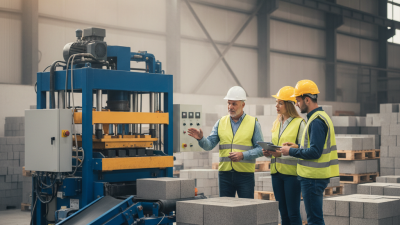
In recent years, the demand for high-quality Paver Block Machines has surged globally. Industry reports indicate that the market is projected to grow significantly, driven by urbanization and infrastructure development. According to expert John Smith from Global Paving Solutions, "Investing in advanced Paver Block Machines can foster innovation and efficiency."
Furthermore, the selection of the right machine can greatly impact production quality and cost-effectiveness. Buyers should scrutinize machine specifications and supplier reputation. Not all machines perform equally, and some may fall short of expectations.
The competitive landscape is evolving. Emerging technologies, such as automation and AI, are making waves in the industry. Buyers must prioritize research and engage with trusted experts to navigate this complex market. Remember, while opting for advanced features, it’s crucial not to overlook basic machine capabilities. This balance is key for successful investment in Paver Block Machines.
2026 Market Overview of Paver Block Machines: Trends and Insights
The paver block machine market for 2026 presents some intriguing trends. Manufacturers are focusing on advanced technology and automation. These innovations improve efficiency and reduce labor costs, which is appealing to global buyers. The demand for eco-friendly materials is also rising, prompting producers to develop machines that support sustainable practices. This shift reflects a broader industry commitment to environmental responsibility.
Market analysis shows a growing interest in customization. Buyers want machines that can adapt to different block sizes and styles. This flexibility is essential as construction and landscaping projects vary widely. Additionally, emerging markets are increasingly investing in paver block production. However, challenges remain. Supply chain disruptions can impact machine availability. Furthermore, there's a need for ongoing maintenance and training to optimize machine performance. As the market evolves, buyers must consider these factors before making decisions.
Key Features to Look for in Paver Block Machines for Optimal Performance
When selecting a paver block machine, focus on energy efficiency. Machines that minimize power consumption can significantly reduce operational costs. Look for equipment that has been designed with advanced energy-saving technology. This not only helps save money but also supports sustainability efforts in construction.
Another essential feature is the machine's production capacity. Choose a model that aligns with your project needs. It's crucial to assess how many blocks the machine can produce within an hour. A higher output might seem ideal, but it’s vital to consider the quality of the blocks produced. Sometimes, faster machines compromise on durability.
User-friendly controls are also important. A machine that is easy to operate can minimize training time for new staff. However, don't overlook maintenance requirements. Regular upkeep can be a challenge for some machines, impacting long-term reliability. A balance between ease of use and maintenance needs is essential for optimal performance.
Top Brands and Manufacturers in the Global Paver Block Machine Industry
When exploring the paver block machine industry, several prominent manufacturers stand out. These companies are known for their advanced technology and reliable products. They provide machines that cater to both small and large scale production. Buyers often seek machines that balance efficiency and durability.
The best manufacturers also focus on customer support and service. They help clients with installation, maintenance, and troubleshooting. This support is crucial, ensuring machines run smoothly over time. Some manufacturers offer customization options, allowing clients to tailor machines to their specific needs. However, buyers must carefully assess these options to avoid overspending on unneeded features.
Cost is another significant factor. Many machines are available at varying price points. Buyers should compare these prices while considering performance. A less expensive machine may lack certain features, impacting productivity. Reading reviews and gathering feedback from other users can provide valuable insights. Ultimately, finding the right paver block machine requires diligent research and consideration of multiple factors.
Cost Analysis: Investment and Returns on Paver Block Machine Purchases
Investing in a paver block machine can offer significant financial returns. According to industry reports, the initial cost of a mid-range machine ranges from $25,000 to $100,000. Buyers should consider not only the purchase price but also the operational costs, which can include electricity, maintenance, and labor. On average, operational expenses can account for 30% of total costs annually.
In terms of returns, manufacturers can generate revenue ranging from $1 million to $5 million annually. This is largely dependent on market demand and production efficiency. The profitability margin often sits between 20% to 40%, contingent on factors like raw material costs and local competition. However, establishing a stable customer base can take time and requires market research.
A common misstep is underestimating startup costs. Many new operators are surprised when they encounter hidden expenses. These can include securing space, permits, and quality raw materials. Careful planning is essential. Potential buyers should engage with existing operators to gather insights. Conducting detailed market analysis can mitigate risks and enhance long-term success.
Global Demand Forecast for Paver Block Machines in Construction Industry
The demand for paver block machines is surging, driven by the booming construction industry. According to a recent report by Allied Market Research, the global market for paver block machines is projected to grow at a CAGR of 6.5% by 2026. This growth aligns with increased urbanization and infrastructure development worldwide. Countries in Asia Pacific and North America are leading the demand, evident in their ongoing massive construction projects.
Paver blocks are desirable for their durability and aesthetic appeal. The construction sector is increasingly turning to automated and semi-automated machines for efficiency. However, the rising cost of raw materials poses a challenge. Manufacturers must balance quality and affordability to stay competitive. Increasing availability of advanced technology also means that not all players can keep pace with innovations.
With construction techniques evolving, paver block machines need to adapt quickly. Adoption of eco-friendly materials is becoming crucial. Reports indicate that nearly 30% of buyers are now interested in machines that offer sustainable options. This shift reflects a broader trend towards environmentally conscious practices in construction. The future holds promise, but companies must remain agile to navigate these changes effectively.