How to Choose the Best Mud Bricks Machine for Your Needs?
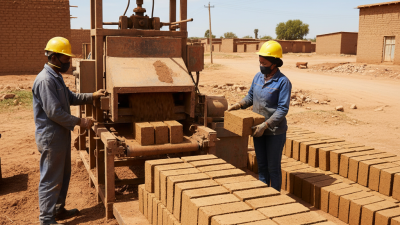
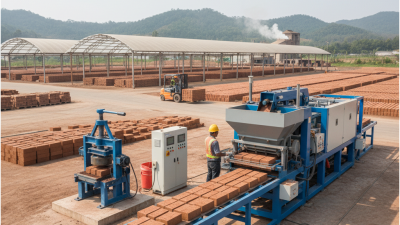
Choosing the right Mud Bricks Machine is crucial for successful construction projects. The right equipment can greatly affect efficiency and output quality. Mud bricks are an eco-friendly building material, and using the best machine can optimize their production.
When selecting a Mud Bricks Machine, consider your specific needs. Evaluate the scale of your operation. A smaller project may not require a heavy-duty machine, while larger endeavors will need robust equipment. Pay attention to the machine's specifications. Look for energy efficiency, ease of operation, and maintenance requirements.
Don’t overlook the importance of manufacturer reputation. Reliable brands offer better support and guidance. Customer reviews can provide insights into the machine's performance. Reflect on your long-term goals. Investing in high-quality equipment may have upfront costs but can lead to savings over time. Ensure you choose a Mud Bricks Machine that aligns with your project’s requirements and sustainability goals.
Understanding Your Requirements for a Mud Bricks Machine
When selecting a mud bricks machine, it’s essential to understand your specific requirements. Consider the scale of your projects. Will you be producing small batches for a local house, or do you need large quantities for commercial use? The production capacity of the machine should align with your needs. A machine that produces 1,000 bricks a day might suffice for small projects. However, choose one with a higher output if you're servicing extensive construction plans.
Assess the types of mud or clay available in your area. Different machines work better with specific materials. Moisture content and soil composition greatly affect the quality of the bricks produced. A machine that handles dense clay might not perform well with sandy soil. Explore local resources to understand the raw materials you have at hand. You might realize that transporting certain materials can also influence your choice of machine.
Lastly, think about the budget and maintenance costs. While a more robust machine may seem appealing, initial costs can be a financial burden. Also, consider energy efficiency and the maintenance requirements of each option. Some machines might appear cheaper but will require more upkeep. It’s a balance where your choices matter. Reflect on these aspects to ensure that your investment will stand the test of time.
Key Features to Consider When Selecting a Mud Bricks Machine
When selecting a mud bricks machine, consider key features that fit your project needs. Power and efficiency are crucial. Most machines operate best at a specific capacity. Choose one that matches your production goals. Consider the type of material you will use. Some machines handle various soil types, while others excel with specific mixes. This can impact both efficiency and final product quality.
A reliable machine requires robust construction. Look for steel frames and quality components. Durability matters, especially for heavy workloads. Maintenance should be manageable, so check how easy it is to access vital parts. Some machines may have complex mechanisms that require special tools for repairs and parts replacements. This can lead to unforeseen downtime.
Exploring user feedback can provide insight into real-world performance. Look for reviews that discuss both positives and negatives. No machine is perfect, and understanding potential issues is vital. Ensure the supplier offers proper after-sales support. This is essential for troubleshooting and repairs. Consider these elements carefully to make an informed choice.
Comparing Different Types of Mud Bricks Machines
When selecting a mud bricks machine, it's crucial to understand the various types available. There are manual, semi-automatic, and fully automatic machines, each suited for different production needs. Manual machines are cost-effective and ideal for small-scale projects. They require more labor but offer flexibility in production. Semi-automatic machines provide a balance between labor and automation, allowing for increased efficiency while still being manageable for smaller operations.
Fully automatic machines are designed for high-volume production. They require significant investment but can save time and resources in the long run. It’s essential to evaluate the scale of your project before making a choice. Consider your budget, production capacity, and the level of automation desired. Some machines can produce bricks of different sizes, while others may only produce standard sizes. This can limit your options if you plan diverse projects.
It's worth noting that no machine is perfect. Some may have issues with durability or require frequent maintenance. Research user reviews and seek expert opinions to uncover potential challenges. Small details can lead to significant impacts on your operation. Understanding these nuances will guide you in making an informed decision that aligns with your specific needs.
Comparison of Different Types of Mud Bricks Machines
Evaluating the Manufacturer’s Reputation and Support
When considering a mud brick machine, evaluating the manufacturer's reputation is crucial. A reliable manufacturer often has a history of producing quality machines. According to industry data, reputable manufacturers are linked to a 30% increase in productivity. Customer testimonials can reveal long-term satisfaction and performance. Seek out manufacturers with positive reviews and a strong presence in the market. This research can save you time and money.
Support is another vital aspect. A manufacturer that offers robust customer support can make a significant difference. You might need assistance during installation or operation. A survey conducted by the Association of Construction Equipment Manufacturers indicates that manufacturers with strong support systems improve customer satisfaction by 40%. Look for those that provide extensive training resources and quick response times.
Tips for choosing the right manufacturer: Always check their response times to inquiries. This can indicate their commitment to service. Analyze their warranty terms; a strong warranty often reflects confidence in their product. Lastly, consider the availability of spare parts, as this can affect your long-term operational efficiency.
Budgeting for Your Mud Bricks Machine Purchase
When budgeting for a mud brick machine, it's essential to assess your needs. Consider the scale of your projects. A small machine may suffice for minor tasks, while larger operations require more robust options. Analyze your financial situation. Determine how much you can invest without straining your resources. Look at both initial costs and ongoing maintenance expenses.
Don’t forget to account for potential hidden charges. Shipping fees, installation costs, and necessary accessories can add up quickly. Gather quotes from different suppliers to compare prices. This can provide a clearer view of the market. Seek advice from experts or individuals with prior experience in the field. Their insights can guide you on the best value for your budget.
Reevaluate your priorities as you gather information. Sometimes, what seems like a good deal might not fit your long-term needs. Consider the durability and efficiency of the machine as well. A cheaper option could lead to higher costs later. Balancing quality and price is crucial. Take your time before making a final decision.