Choosing the right Diesel Block Machine is not simply a matter of comparing prices. It is a production decision that affects block strength, fuel use, labor, and maintenance. A low-cost machine may look attractive beside a dusty worksite, yet weak vibration or uneven mold pressure can create cracked edges and costly rejects. The better question is practical: Can this machine produce consistent blocks every day?
Concrete equipment consultant Michael R. Henson says, “A block machine earns its value through consistency, not through its purchase price.” This principle is easy to overlook. Buyers should examine the machine’s output per hour, diesel consumption, vibration system, mold accuracy, and hydraulic performance. They should also check whether replacement parts are available locally. A powerful engine means little if one worn bearing stops production for several days.
The best choice depends on the job. A small contractor may need a compact Diesel Block Machine for limited batches and easy transport. A large yard may require stronger frames, automatic feeding, and longer operating cycles. Consider the available cement mix, aggregate size, curing space, and operator experience. Even the soil around the machine matters. Uneven ground can affect setup and safety.
Details matter.
Ask for sample blocks. Measure their dimensions. Check surface density and edge sharpness after curing. Review the warranty, service response, and operating instructions before signing an order. Some specifications may look impressive on paper but perform differently under real workloads. A careful buyer leaves room for doubt, tests the machine, and chooses dependable production over impressive claims.
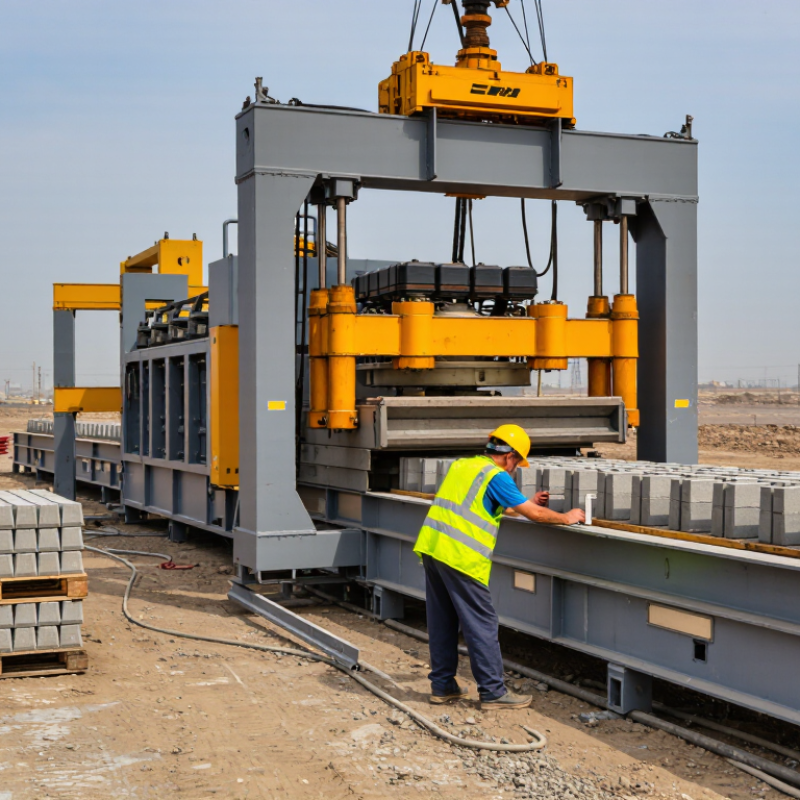
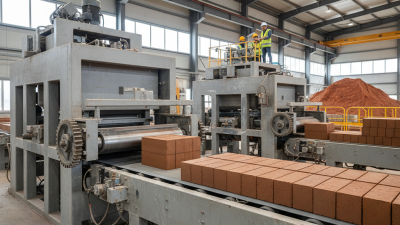
A diesel block machine is a mechanical system that forms concrete blocks through feeding, vibration, and hydraulic or mechanical pressing. A diesel engine supplies power when grid electricity is unavailable or unreliable. The engine drives the hydraulic pump, vibrator, and material-handling components. Fresh concrete enters a steel mould, vibration removes trapped air, and pressure shapes the block. The mould then rises, leaving the new block on a pallet.
The process looks simple. It is not. Mix moisture, aggregate size, and vibration time strongly affect strength and surface quality. A practical operator checks the first blocks every morning, measuring dimensions and inspecting cracked corners. The machine’s rated output can be misleading because it may exclude mould changes, cleaning, and curing delays. I would compare usable blocks per hour, not only catalogue capacity.
Energy use also deserves attention. The International Energy Agency reported that cement production creates roughly 2.3 gigatonnes of carbon dioxide annually, making efficient material use important. Diesel consumption adds operating cost and local exhaust emissions. Therefore, compare engine fuel consumption, maintenance intervals, noise control, and emission compliance before choosing a model. The United Nations Environment Programme’s 2023 building-materials report also stresses lower-carbon construction and improved resource efficiency. That matters.
A reliable selection test should run the machine with your actual mix and mould size. Record fuel used, cycle time, rejected blocks, and operator adjustments. Small errors become expensive. A compact diesel block machine may suit remote sites, but its value falls if spare parts, trained technicians, or proper curing space are unavailable. Often overlooked.

Choosing a diesel block machine starts with the block type, not the engine size. Hollow blocks need accurate core-forming molds and steady vibration. Solid blocks require stronger compaction and careful material control. Paving blocks often demand higher pressure, sharper edges, and consistent surface quality. Interlocking shapes can increase mold changes and operator training needs. Details matter.
Estimate your daily target before comparing machines. A small site may need 1,000 blocks per day, while a commercial yard could require several thousand. Check the machine’s real cycle time, not only its advertised capacity. Allow time for mold cleaning, material loading, block removal, and minor adjustments. Measure twice.
Your mix design also influences performance. Cement ratio, aggregate size, moisture, and local sand quality can change block strength and demolding results. A diesel-powered machine may suit areas with unstable electricity, but fuel use, exhaust control, noise, and maintenance require attention. Keep spare belts, filters, and vibration components available. Operators should learn safe procedures and basic troubleshooting.
I have seen production plans fail because curing space was ignored. Fresh blocks need protected stacking, controlled moisture, and enough room for handling equipment. The machine is only one part of the system. Consider available labor, transport distance, mold replacement cost, and local construction standards. A faster machine is not always better if it produces inconsistent dimensions or creates daily maintenance problems. My first estimate would rarely be final; a short trial with local materials can reveal more than a brochure.
Choosing the best diesel block machine starts with a clear comparison of capacity, power, and efficiency. Capacity means more than the advertised output. Check how many blocks the machine produces per hour under real working conditions. A unit rated for 2,000 blocks may deliver fewer when workers change molds or refill materials. Ask for cycle-time records, not only catalogue figures. Measure the block size, curing requirements, and daily production target before making a decision.
Power affects pressure, vibration, and operating stability. A stronger diesel engine is not automatically better. It may consume more fuel when the hydraulic system is poorly matched. Compare engine power with vibration force and mold capacity. Watch the machine during a full production cycle. Excessive noise, uneven vibration, or delayed mold release can reveal hidden problems. Fuel use per 1,000 blocks is a useful efficiency measure. However, soil moisture and operator skill can change the result.
Tips: Request a practical demonstration using your own mix. Record fuel consumption, cycle time, rejected blocks, and maintenance pauses. Check access to filters, belts, and service parts. Small details matter. A machine with lower output may be wiser if it saves fuel and reduces downtime. I have seen buyers focus on hourly capacity, then struggle with unstable quality. That comparison is incomplete. Review verified test data, safety features, and long-term service support before paying.
A reliable diesel block machine should produce consistent blocks throughout a full working shift. Inspect the steel frame, welds, and mounting points closely. Thick plates and clean welds usually resist vibration better. The engine should start smoothly and maintain stable power under load. Uneven vibration can create weak edges, cracks, and different block densities. Check the hydraulic system for pressure stability, protected hoses, and accessible filters. These details make daily maintenance safer and less expensive.
Safety deserves practical attention. Look for emergency-stop controls, secure guards, clear warning labels, and stable platforms. A covered belt or rotating shaft can prevent serious injuries. Dust control also matters, especially in enclosed production areas. Quality machines include simple controls, readable pressure gauges, and overload protection. Ask for production records, material specifications, and test results. A supplier that explains limits honestly is usually more dependable.
Tips: Run a supervised trial with your actual mix. Measure block dimensions after curing. Listen for unusual knocking or excessive vibration. I once trusted a polished machine with poor access to its grease points. That mistake increased downtime. Inspect bearings, mold edges, and electrical connections before purchase. Replaceable wear parts are valuable, but their availability should be confirmed in writing. No machine is maintenance-free. A realistic service plan often matters more than impressive output claims.
Price is only the entry point. A proper evaluation should calculate total cost of ownership, including diesel, labor, molds, spare parts, transport, and downtime. The World Bank’s Commodity Markets Outlook reported Brent crude at about 82 dollars per barrel in 2023. Fuel budgets can change quickly. Ask suppliers for tested fuel consumption at your planned production rate, not an attractive laboratory figure. Request a written quotation with taxes, installation, training, and replacement parts clearly separated.
Supplier reliability matters as much as machine capacity. Check factory records, customer references, service coverage, and technician response times. A machine producing 10,000 blocks daily is useless during a two-week breakdown. The International Organization for Standardization’s ISO 55000 guidance links asset management with lifecycle value, risk control, and performance planning. Use that principle when comparing warranties. Confirm engine hours, hydraulic components, electrical controls, and mold-life coverage. Small details matter.
Maintenance should be simple enough for a trained operator. Inspect lubrication points, filters, belts, vibration systems, and emergency controls before purchase. The U.S. Department of Energy reports that predictive maintenance can reduce maintenance costs and downtime substantially, although results depend on data quality and site discipline. Do not accept every supplier claim. A cheaper machine may need fewer electronics, yet manual adjustment can increase production errors. That trade-off deserves honest review. Ask for service manuals, spare-part prices, training records, and a realistic response promise. Fancy output is not enough.