Top 10 Clay Bricks Machines Every Buyer Should Know?
When investing in a Clay Bricks Machine, it is essential to understand the options available. The market offers a variety of machines, each with unique features. Buyers need to make informed choices to ensure efficiency and quality.
Choosing the right Clay Bricks Machine can significantly affect production outcomes. Factors like capacity, energy consumption, and ease of operation play crucial roles. Potential buyers should research each machine's specs thoroughly.
However, not every model suits every business. Many machines may look appealing but may lack the reliability needed for consistent output. Understanding your specific needs and limitations is crucial. Take the time to evaluate each option carefully, because the wrong choice can lead to costly mistakes.
Types of Clay Brick Machines and Their Functionality
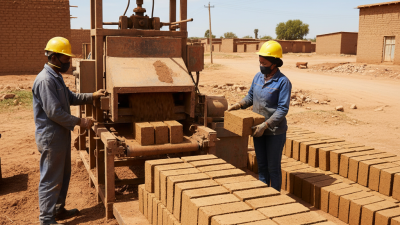
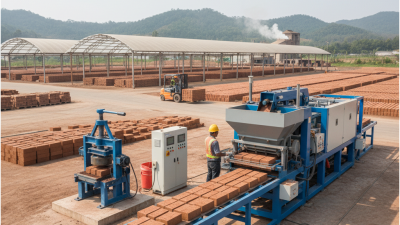
When exploring clay brick machines, it's essential to understand their types and functionalities. Clay brick machines are specialized equipment used in the manufacturing of clay bricks. Depending on the production needs, different machines offer various operational features. These machines typically fall into categories such as extruders, hydraulic presses, and vacuum brick machines.
Extruders play a crucial role in shaping the raw clay into a continuous strip. They ensure uniformity in brick density and dimensions. Hydraulic presses, on the other hand, apply significant pressure to mold the bricks. This results in stronger and more durable products. Vacuum brick machines are designed to remove air from the clay mixture. This process enhances the brick's strength and reduces defects during firing.
Recent advancements in technology have introduced automated systems in these machines. Automation can increase efficiency but may come with a steep learning curve for operators. Manual machines still have their place, particularly for smaller operations. While technology offers many benefits, it can sometimes lead to complexity and reliability issues. Understanding each machine's functionality will help buyers make informed choices tailored to their specific production needs.
Top 10 Clay Bricks Machines Every Buyer Should Know
| Machine Type |
Functionality |
Production Capacity (Bricks/Hour) |
Energy Consumption (kW) |
Weight (kg) |
| Extruder Machine |
Shapes clay into a continuous mold, producing wet brick. |
500-1000 |
15-30 |
5000 |
| Brick Press Machine |
Compresses clay into bricks with high density. |
800-1200 |
25-50 |
4000 |
| Vacuum Extruder |
Removes air from clay, producing dense bricks. |
600-1100 |
20-35 |
6000 |
| Molding Machine |
Molds bricks into desired shapes and sizes. |
700-1300 |
10-25 |
3000 |
| Drying Machine |
Removes moisture from bricks before firing. |
500-800 |
40-70 |
5500 |
| Kiln |
Fires bricks at high temperatures for hardening. |
N/A |
80-150 |
20000 |
| Hamersmith Machine |
Used for preparing clay by mixing and grinding. |
300-600 |
15-25 |
4000 |
| Sorting Machine |
Sorts finished bricks based on quality. |
500-900 |
10-15 |
1500 |
| Packaging Machine |
Packages finished bricks for shipment. |
400-700 |
5-10 |
1800 |
| Auto-Control System |
Monitors and controls machine operations. |
N/A |
3-5 |
200 |
Key Features to Consider When Purchasing Clay Brick Machines
When purchasing clay brick machines, several key features should be considered.
The machine’s production capacity is vital. Look for a model that matches your output requirements.
Additionally, assess the energy consumption. Efficient machines save costs over time.
Make sure to analyze the material quality as well.
Machines made from durable components tend to last longer.
Another important factor is automation. Semi-automatic or fully automatic machines can increase productivity.
However, they may require higher initial investments. Ease of operation is also essential.
A user-friendly interface minimizes training time and errors. Don’t overlook service and maintenance support, either.
Reliable support can greatly reduce downtime.
Consider the machine's footprint too. A compact design saves space in your facility.
It can help streamline operations. Lastly, understand the technology involved in the manufacturing process.
Some advanced features could enhance product quality.
However, they might complicate repairs. Reflect on your specific needs before making a final decision.
Comparison of Top Brands in Clay Brick Machine Manufacturing
In the competitive landscape of clay brick manufacturing, understanding the differences between top brands is crucial. A recent industry report highlights significant advancements in efficiency and output among leading manufacturers. Experts suggest that machines with advanced automation and energy-saving features can increase brick production by up to 30%. This improvement not only enhances profitability but also reduces environmental impact.
Brands specializing in clay brick machinery focus on key features such as durability and maintenance. Machines built with high-quality materials often show a longer lifespan and require less frequent repairs. Industry data indicates that maintenance costs can account for 20% of overall operational expenses. Therefore, investing in reliable machinery is essential for minimizing long-term costs.
Many buyers overlook the importance of technology integration in their machines. As digital monitoring technology evolves, its influence on production efficiency grows. However, integrating new technology comes with challenges. Some traditional manufacturers may resist adopting these advancements, leading to a potential drop in competitiveness. Buyers should weigh the pros and cons of modern versus conventional machines carefully.
Maintenance Tips for Enhancing the Longevity of Clay Brick Machines
Proper maintenance of clay brick machines is crucial for increasing their lifespan. Regular checks on lubrication systems are essential. Ensure that all moving parts receive adequate lubrication. This prevents excessive wear and tear, which can lead to costly repairs. Dust and debris can accumulate over time. Regularly cleaning the machine helps maintain its performance.
Inspect belts and gears frequently for signs of damage. Worn belts can affect the machine's efficiency. Replace them promptly to avoid further issues. Operators should be trained to identify early signs of malfunction. Unusual noises or vibrations can indicate problems. Address these signs immediately to prevent disasters.
Lastly, maintain a routine schedule for inspections. Create a log to track repairs and replacements. Documenting this helps in reviewing the machine's performance. However, don't overlook the need for professional servicing when necessary. Balancing self-service with expert help offers the best results. Each machine has its quirks and learns from them. Experience shapes the approach to keeping equipment running smoothly.
Top 10 Clay Bricks Machines - Performance Comparison
This chart illustrates the efficiency of the top 10 clay brick machines measured in bricks produced per hour. Understanding these metrics helps buyers make informed decisions regarding their investment in clay brick machinery.
Innovations in Clay Brick Machine Technology: Trends and Developments
Clay brick machine technology has seen significant advancements in recent years. Innovations focus on enhancing efficiency and sustainability. Reports show that energy-efficient machines can reduce energy consumption by over 30%. Automation is also transforming production processes. Today’s machines have integrated smart technology, allowing real-time monitoring and adjustments.
Tips: Look for machines that offer customization options. This can boost your production capacity according to specific market demands. Evaluate the materials your machine processes. Some machines handle both conventional clay and alternative materials efficiently.
The shift towards eco-friendly production methods is notable. Data indicates that the market for energy-efficient clay brick machines is expected to grow by 25% within the next five years. However, the initial investment can be significant. Buyers must weigh short-term costs against long-term benefits. It's essential to conduct thorough research. Seek out industry reports and user reviews for informed decisions.