Leave Your Message
Reliable electricity networks depend on durable support structures, and choosing how to manufacture them deserves careful attention. The World Bank-led Tracking SDG 7: The Energy Progress Report 2024 estimates that 685 million people lacked electricity in 2022. Meanwhile, the International Energy Agency’s Electricity Grids and Secure Energy Transitions (2023) says annual grid investment must rise from about $300 billion to more than $600 billion by 2030. These figures point to substantial infrastructure needs, though they do not predict demand for any single type of pole.
A Cement Pole Making Machine can help manufacturers produce reinforced concrete poles with repeatable dimensions and controlled curing. In practice, that means considering mold accuracy, vibration, reinforcement placement, cycle time, and maintenance—not just the machine’s advertised output. A poorly matched setup may create bottlenecks or inconsistent products. Details matter.
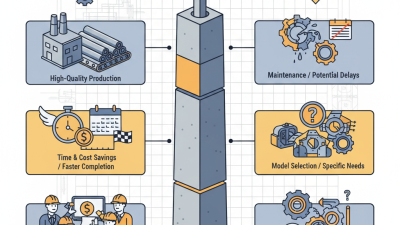
The right investment depends on local utility specifications, available aggregates, labor skills, energy costs, and transport limits. Concrete poles can suit certain distribution projects, but they are not automatically the best choice everywhere. Buyers should compare machine capacity with verified production records, inspect finished poles, and ask how quality checks are documented. A supplier’s claims are useful starting points, not proof. Even a technically capable machine cannot compensate for weak process control. That distinction is easy to overlook. This guide examines the practical reasons to choose a Cement Pole Making Machine, the features worth evaluating, and the trade-offs manufacturers should acknowledge before investing.
Why Choose a Cement Pole Making Machine?
What a Cement Pole Making Machine Produces in Precast Utility-Pole Manufacturing
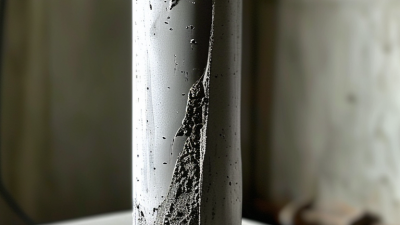
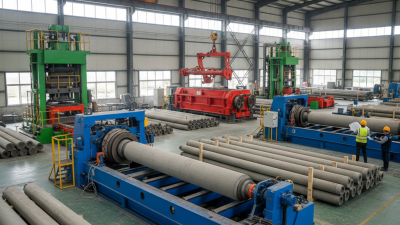
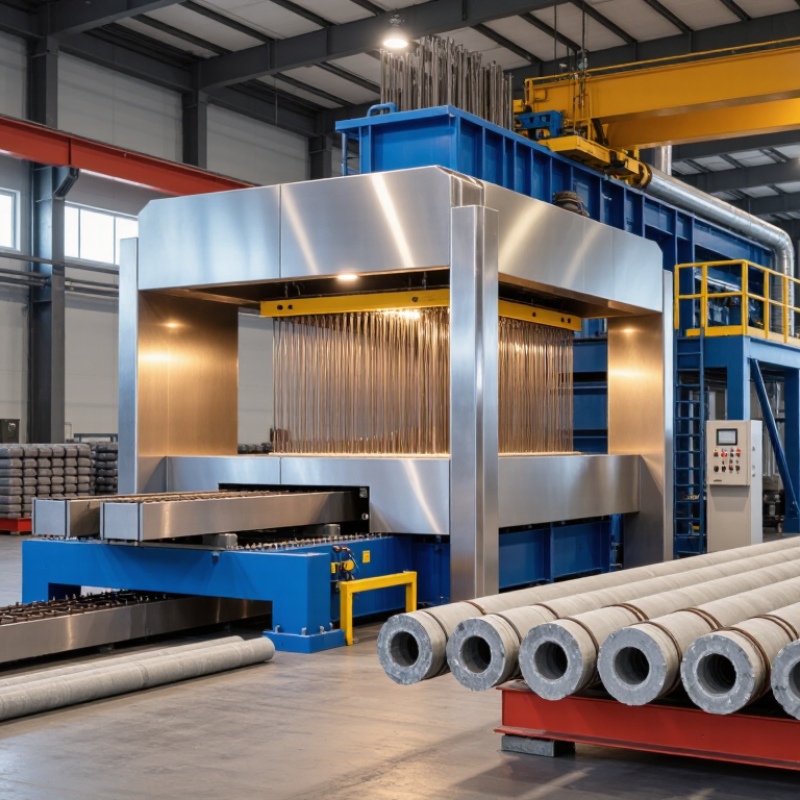
A cement pole making machine produces reinforced concrete poles used to support overhead power and communication lines. The finished poles are tapered, load-bearing components, not simply concrete tubes. Inside each pole, steel reinforcement helps resist bending and handling stresses. Length, diameter, and reinforcement layout vary with the intended installation and engineering specifications.
During production, workers place a prepared steel cage inside a pole mold, then add concrete. Some machines spin the mold at controlled speeds to distribute the mix and compact it evenly. The result is a dense pole with a consistent shape and a smooth outer surface. After forming, poles need proper curing before demolding and inspection. That takes time. In practice, curing conditions and mix quality can affect results as much as the machine itself. A pole that looks sound still needs dimensional and visual checks; appearance alone does not prove performance.
Tips: Confirm the machine matches your pole dimensions and production volume. Keep molds clean, check reinforcement placement, and follow the concrete mix and curing requirements. Small variations matter.
| Dimension | Typical Product or Process Detail | Why It Matters |
|---|---|---|
| Primary product | Precast reinforced or prestressed concrete poles for overhead electricity distribution, lighting, and communications infrastructure. | One production setup can support different pole designs when compatible molds and reinforcement arrangements are available. |
| Common manufacturing method | Many precast utility poles are manufactured in rotating molds. Centrifugal force distributes and compacts fresh concrete against the mold wall. | Spinning can form a hollow or tapered pole section, depending on the mold and product design. |
| Pole length | Product lengths vary by application and regional requirements; poles in the approximate 6–15 m range are common in many distribution and lighting applications. | Length affects mold selection, handling equipment, transport planning, and the pole’s intended installation. |
| Cross-section and taper | Common designs use round or polygonal sections, often tapered from a wider base toward a narrower top. Dimensions are specified by the pole design. | The shape and taper influence structural capacity, appearance, mold requirements, and compatibility with fittings. |
| Concrete pole wall | For hollow centrifugal products, the wall thickness is determined by engineering design and may vary along the pole. | Wall thickness affects weight, material use, strength, and durability; it should not be treated as a universal machine setting. |
| Reinforcement | Products may contain a reinforcing-steel cage or prestressing steel, positioned and detailed according to the approved design. | Correct reinforcement placement is essential to the pole’s structural performance and to accommodating lifting and service loads. |
| Concrete mix | The mix is selected for the required strength, workability, exposure conditions, and applicable product standard. Mix proportions are project-specific. | Consistent batching and placement help produce uniform sections; the machine alone does not determine concrete quality. |
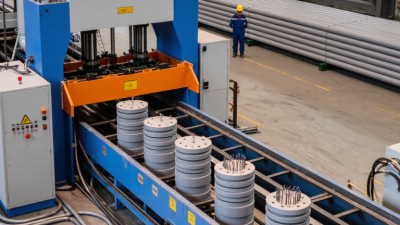
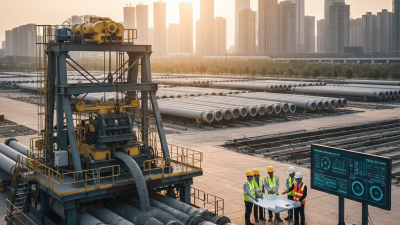
| Machine operations | A pole-making line may include mold preparation, reinforcement placement, concrete filling, mold rotation, demolding, and handling equipment. | Mechanized production can make repeated manufacturing steps more controlled, while setup and process checks remain necessary. |
| Curing and quality checks | Poles require an appropriate curing regime and inspection. Checks may include dimensions, visible defects, concrete strength, and design-specific tests. | Curing and inspection are essential parts of production but are separate from the pole-forming action of the machine. |
| Finished-product features | Depending on the design, poles may include lifting points, attachment provisions, or openings for cables and hardware. | These features should be specified before production so that the mold, reinforcement, and placement details match the intended use. |
Specifications are indicative only. Actual pole dimensions, reinforcement, concrete requirements, production methods, and testing criteria depend on the approved engineering design and applicable local standards.