Choosing a Cement Electric Pole in 2026 means balancing strength, service life, and total project cost. A pole may look simple beside a rural road, but its dimensions and reinforcement affect how it performs under wind, cable tension, and daily exposure. Details matter. This guide introduces common types, including prestressed spun poles and reinforced concrete poles, and explains where their designs differ. It also outlines the information buyers should check before comparing quotations.
Prices are not universal. Height, load rating, concrete quality, steel reinforcement, production method, and order quantity can all change the unit cost. Freight matters, too: a heavy pole shipped far from the factory may cost much more when delivered than its quoted base price suggests. That changes everything. Installation, site access, and local technical requirements can add further costs, so a single online figure rarely tells the whole story. This overview will help readers compare price offers on a like-for-like basis and identify what each quote includes. It will also flag details worth confirming, such as testing records, dimensions, and delivery terms. Even a careful estimate can miss a project-specific expense; that is worth remembering. A clear specification and written supplier quote are safer starting points than choosing by the lowest price alone.
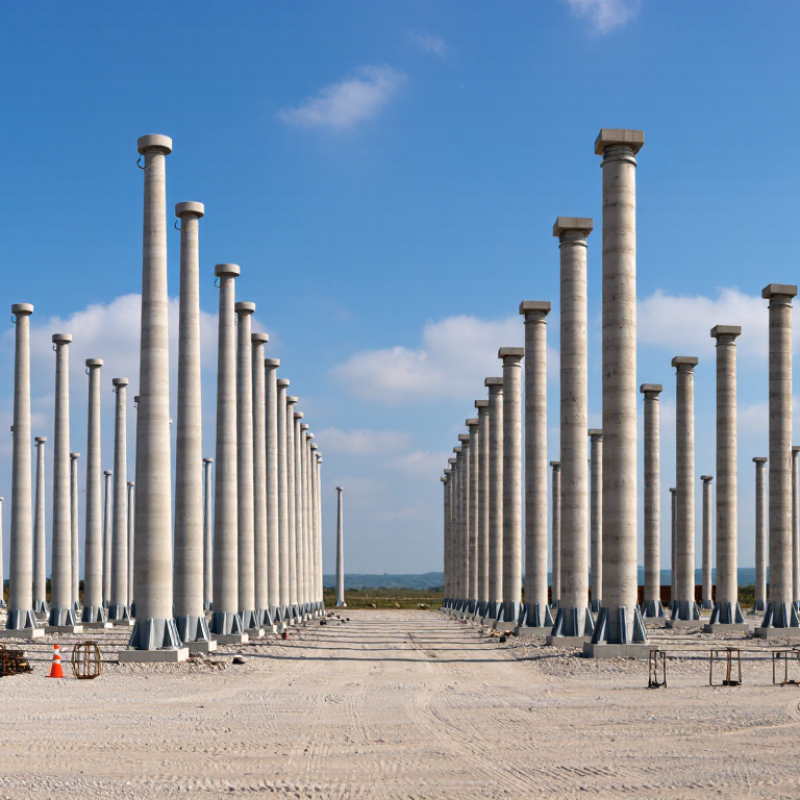
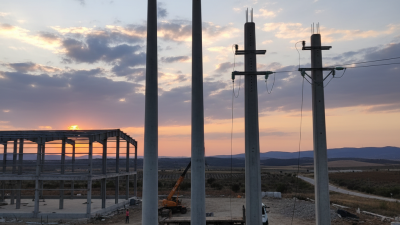
Cement electric poles are reinforced concrete structures that carry overhead power lines, street lighting, or communication cables. Their tapered shape helps distribute loads, while embedded steel reinforcement adds tensile strength. Some are solid; others are hollow to reduce weight. The exact design depends on span, ground conditions, and required load capacity. Details matter.
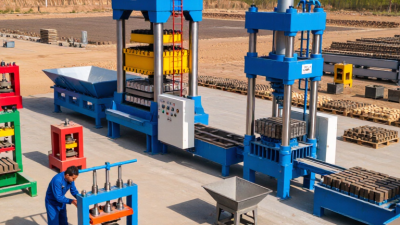
Manufacturing usually begins with a steel reinforcement cage placed inside a pole-shaped mold. Workers position the cage carefully, since uneven cover can leave steel vulnerable to moisture. A measured concrete mix is poured around it and compacted to remove trapped air. Some producers rotate the mold at high speed to form dense, hollow poles; others use stationary casting methods. Not every pole is spun.
The pole then cures under controlled moisture and temperature. Rushing this stage can weaken the concrete, even when the surface looks smooth. After demolding, inspectors may check dimensions, visible cracks, reinforcement placement, and strength through specified tests. Small surface marks are not always structural defects, but they deserve review rather than guesswork. Pole weight, length, concrete grade, reinforcement, and local transport needs all affect cost, so a price alone says little about suitability.

Cement electric poles are commonly classified by how they are reinforced and manufactured. Reinforced concrete poles contain steel bars within a concrete body. They are widely used for distribution lines where predictable strength and familiar installation methods matter. Prestressed concrete poles use tensioned steel strands to help resist bending and cracking. Their slimmer profiles can suit roads with limited space, though handling still requires care.
Spun concrete poles are formed by rotating concrete in a mould, producing a dense, often hollow structure. They can offer useful strength with less material, but specifications vary by manufacturer and project. Some poles combine design features, so categories are not always perfectly distinct. That can be confusing. Check the drawings, not just the label.
For a sound comparison, review pole height, load rating, soil conditions, conductor arrangement, and local wind exposure. A pole intended for a light distribution line may not suit a corner, road crossing, or transformer position. Prices also depend on dimensions, reinforcement, transport distance, and foundation work; a type name alone cannot provide a reliable estimate. Inspect surface finish and concrete condition on delivery, and confirm that lifting points match the installation plan. Small details matter. Teams sometimes overlook them.
Concrete electric poles are commonly made as reinforced, prestressed, or centrifugally spun units. Spinning describes the manufacturing process; the pole may also be prestressed. Utility specifications typically state pole length, load rating, dimensions, reinforcement, and allowable deflection. IS 1678:1998 covers prestressed concrete poles for overhead lines, while EN 12843:2004 addresses precast concrete masts and poles. These references help buyers compare performance, not retail prices.
Reinforced poles suit many local distribution routes and lighting applications. Prestressed poles handle higher working loads with reduced cracking, making them useful where conductors, wind, or longer spans increase stress. Spun poles can provide dense, uniform concrete, but their suitability still depends on tested load capacity. That distinction is easy to miss. A schedule should identify the required class and foundation conditions, not just pole height. In 2026, delivered prices vary with pole length, load class, reinforcement, transport distance, and installation access; request itemized local quotations.
Network demand also shapes pole selection. The International Energy Agency’s 2023 report, Electricity Grids and Secure Energy Transitions, estimates that 80 million kilometres of grids need to be added or replaced by 2040. It also says annual grid investment must exceed $600 billion by 2030. These are system-wide figures, not concrete-pole forecasts. For a specific route, soil strength, wind exposure, conductor weight, and lifting access matter. A catalog pole may look interchangeable; field conditions often prove otherwise.
In 2026, cement electric pole prices depend on pole type, length, load rating, and local production costs. The figures below are indicative factory-gate estimates in US dollars per pole; they exclude transport, installation, and taxes. Reinforced concrete poles, commonly used on distribution lines, may cost about $150–$350 for 8–9-metre lengths. A 10–12-metre pole may fall around $300–$700, depending on reinforcement and design load.
Prestressed spun concrete poles often cost more because their manufacture requires controlled tensioning and specialized equipment. As a rough planning range, 9–10-metre models may cost $250–$550, while 12–15-metre models may reach $500–$1,000 or more.
Freight matters. A long pole can be costly to move, even when its unit price looks attractive. Prices vary by region, order quantity, and concrete and steel rates.
Compare poles by certified load class, not length alone. Two poles of equal size can have different reinforcement and safe working capacity. Ask suppliers to state the quoted length, design load, test requirements, and delivery terms in writing. Check the pole class. A preliminary budget can still miss the mark if unloading access or local specifications are overlooked.
For 2026 cement electric pole quotes, compare the specification before comparing the price. Height, pole class, top diameter, design loads, reinforcement, and prestressing all affect material use and production time. A 12-meter pole is not comparable to a 12-meter pole with a different load rating. Small details matter. Ask whether the quote includes fittings, testing, delivery, and unloading.
Input costs also shape prices. The U.S. Geological Survey’s Mineral Commodity Summaries 2025 reports approximately 86 million metric tons of U.S. cement production in 2024, alongside substantial imports. That supply mix can affect regional availability, but cement is only one part of a pole’s cost. Freight matters too: the U.S. Energy Information Administration reported an average U.S. on-highway diesel price of about $3.76 per gallon in 2024. Long routes and heavy-load handling can raise delivered costs. Freight bites.
Request itemized quotes using the same drawings, load requirements, quantity, and delivery location. Compare lead time, warranty terms, inspection documents, and replacement procedures—not just the unit price. Confirm whether unloading equipment is included; it often is not. A spreadsheet can still miss site access costs. I would verify the assumptions behind each quote, especially when suppliers use different terminology.
The following are indicative 2026 planning estimates in USD per pole for standard, uninstalled products. Actual quotations vary by country, specification, order quantity, and delivery terms.
| Pole Type | Typical Length | Indicative Price (USD/unit) | Typical Use | Key Comparison Points |
|---|---|---|---|---|
| Prestressed spun concrete pole | 9–12 m (30–39 ft) | $250–$850 | Low- and medium-voltage distribution, street lighting, and rural networks | Compare pole strength class, wall thickness, reinforcement, finish, and applicable testing standard. |
| Prestressed spun concrete pole | 15–18 m (49–59 ft) | $750–$2,400 | Longer spans, higher clearances, and distribution routes with greater loading demands | Check bending capacity, top and ground-line dimensions, lifting points, and transport limits. |
| Reinforced concrete pole | 9–12 m (30–39 ft) | $200–$700 | General distribution and utility applications where locally approved designs are available | Compare reinforcement layout, concrete strength, crack-control requirements, and quality records. |
| Octagonal prestressed concrete pole | 9–15 m (30–49 ft) | $350–$1,250 | Distribution lines and projects requiring a defined polygonal cross-section | Confirm cross-section dimensions, structural rating, attachment details, and compatibility with fittings. |
| Concrete H-frame pole set | 10–15 m (33–49 ft) | $1,200–$4,500 per set | Higher-load line sections, river crossings, and other locations needing a wider support structure | Compare the complete assembly, including two poles, cross-arm or frame, connectors, and foundation requirements. |
| Concrete lighting pole | 6–12 m (20–39 ft) | $150–$650 | Road, area, and outdoor lighting installations | Check fixture-mounting details, access openings, base design, wind loading, and required cable routing. |
| Price Factor | How It Affects Cost | What to Confirm in a Quote |
|---|---|---|
| Length and structural rating | Longer poles and higher load ratings generally require more materials and more demanding production and testing. | Length, strength class, design loads, and required safety factors. |
| Concrete and reinforcement | Concrete mix, prestressing steel, reinforcement quantity, and corrosion protection can change the unit price. | Material specifications, reinforcement details, and quality-control documentation. |
| Shape and production method | Spun, tapered, octagonal, and other designs use different tooling and manufacturing processes. | Cross-section drawing, dimensional tolerances, and manufacturing method. |
| Standards and testing | Required certification, load testing, inspections, and project-specific documentation may add cost. | Applicable local or international standard, test scope, and inspection responsibility. |
| Order quantity and customization | Large standard orders may reduce unit costs; custom openings, fittings, colors, or dimensions may increase them. | Minimum order quantity, tooling charges, accessories, and change-order terms. |
| Freight, handling, and delivery distance | Concrete poles are heavy and long, so loading, special transport, and unloading can be a major part of delivered cost. | Delivery location, transport method, unloading arrangements, and whether the quote is ex-works or delivered. |
| Taxes, duties, and installation | Import charges, local taxes, foundations, erection, and line hardware are commonly excluded from product-only prices. | Itemized exclusions, tax treatment, installation scope, and total landed project cost. |
| Comparison Step | Recommended Check |
|---|---|
| Match the engineering specification | Compare poles with the same length, loading class, design standard, and intended application—not just the same product name. |
| Compare complete scope | Check whether fittings, cross-arms, testing, documentation, packing, freight, and unloading are included. |
| Review quality and service life | Request production quality records, test results, concrete and reinforcement specifications, and stated durability provisions. |
| Calculate delivered cost | Compare the total cost per usable pole at the project site, including transport, taxes, handling, and installation where applicable. |
| Confirm schedule and risk | Check manufacturing lead time, delivery capacity, warranty terms, replacement policy, and remedies for nonconforming products. |
Prices are broad estimates for budgeting only, not supplier quotations or guaranteed market prices. Local engineering requirements and utility approval should determine the final pole specification.