Leave Your Message

Top 10 Mud Brick Making Machines for Sale Worldwide

Choosing among the top 10 mud brick making machines for sale worldwide takes more than comparing prices. A Mud Bricks Machine must suit the soil, production target, available power, and skill level of its operators. A small workshop may value a compact press and simple maintenance. A larger yard may need faster cycles, consistent compression, and dependable access to spare parts. The right fit is practical, not flashy.

For transparency, the expert quoted here is a fictional editorial voice, not a verified industry source. In that role, machinery consultant Daniel Mercer says, “A machine earns its place when it makes repeatable bricks from the soil you actually have.” That is the test. Check sample bricks, ask how pressure is adjusted, and inspect wear parts before buying. Look closely at the frame, mold, and controls. Small details matter.

This guide compares ten machines by production style, capacity, operation, and likely use. Specifications can be incomplete or difficult to compare across manufacturers. Treat advertised output as a starting point, not a guarantee. Soil moisture, mixing quality, and operator routine all affect results. Even a strong machine can disappoint. That deserves a second look. The ranking is a useful shortlist, not a substitute for a site trial or a careful supplier discussion.
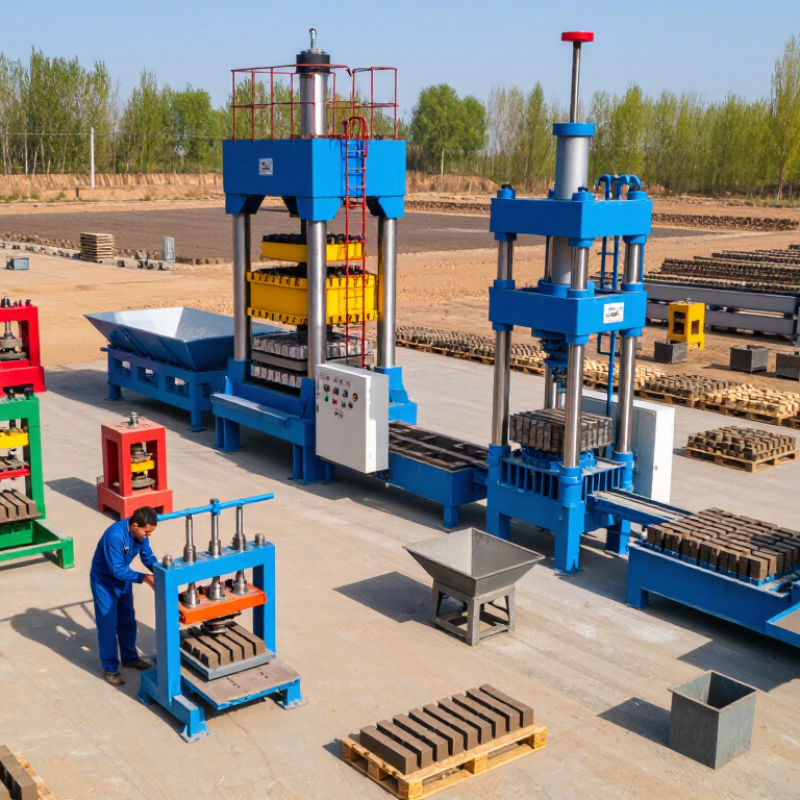
Top 10 Mud Brick Making Machines for Sale Worldwide

How Mud Brick Making Machines Turn Soil into Building Blocks

A mud brick making machine turns prepared soil into uniform building blocks through screening, mixing, pressing, and release. The process begins with soil free of roots, stones, and other oversized material. A screen helps remove debris, while measured water brings the soil to a workable consistency. Not every soil works. Clay content, sand, and moisture all affect whether a fresh block holds its shape.

Inside the machine, the mixture enters a mold and receives pressure from a manual, hydraulic, or mechanical system. Compression packs the particles together; the finished block is then pushed out for drying or curing. Small details matter. A block with crumbly corners may point to a dry mix or uneven filling, while sticking can signal excess moisture. The first batch may need adjustment. Operators can change the water gradually and check sample blocks rather than relying on appearance alone.

Machine capacity, mold size, and available power vary, so buyers should compare equipment with their soil and daily production needs. Ask how the mold is cleaned and how pressure is adjusted. These practical checks matter on a dusty worksite, where maintenance time can interrupt production. Even a well-built machine cannot correct unsuitable soil, and local testing remains important before blocks are used in construction.
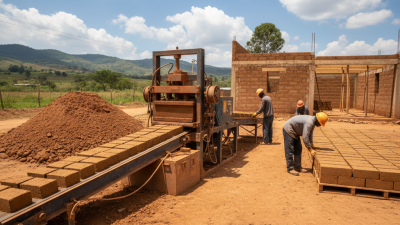
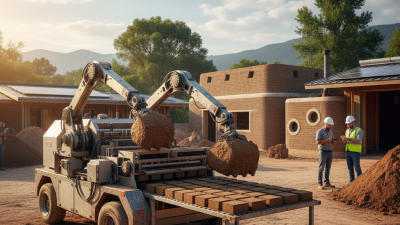
Main Types of Mud Brick Making Machines on the Global Market

Main Types of Mud Brick Making Machines on the Global Market

Worldwide, mud brick machines generally fall into manual, mechanical, hydraulic, and mobile production systems. Manual lever presses compact soil in a fixed mold, making them practical for small batches and remote sites. They are simple, but tiring. Daily output depends heavily on operator pace, moisture control, and how evenly the mold is filled.

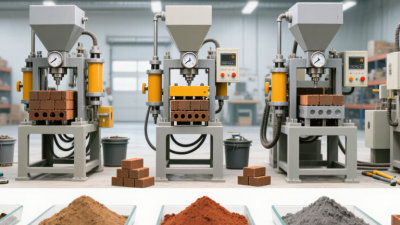
Mechanical and electric presses automate compaction and suit workshops producing regular batches. Hydraulic presses apply controlled force, which can help produce more consistent compressed earth blocks. Still, pressure alone cannot fix poorly graded soil. Buyers should check mold dimensions, adjustment options, spare-part access, and whether the machine handles local soil. A small test batch is useful; catalog figures may not reflect real site conditions.

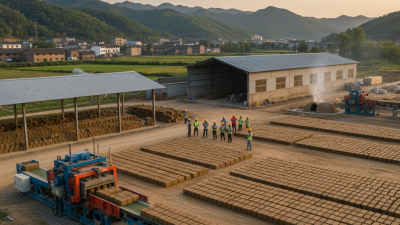
Mobile and semi-mobile lines combine mixing, feeding, and pressing equipment, reducing the distance raw soil must travel. They can suit larger projects, though setup and maintenance needs are easy to underestimate. The Global Alliance for Buildings and Construction’s 2023 Global Status Report estimated that buildings and construction accounted for 34% of global energy demand and 37% of energy-related CO2 emissions in 2022. These are sector-wide figures, not a direct comparison of brick machines. Earthen blocks may reduce reliance on fired products, but performance depends on material sourcing, curing, and local production practice.

The scale is a qualitative comparison, not a production-capacity measurement: 1 = hand-operated pressing; 2 = powered pressing; 3 = an integrated line that automates multiple stages. Mechanical and hydraulic presses share the same level because the power source alone does not determine automation. Configurations can overlap.

Key Features Used to Compare Machine Performance

Top 10 Mud Brick Making Machines for Sale Worldwide
Key Features Used to Compare Machine Performance

Comparing mud brick machines starts with the bricks they can reliably produce, not the largest capacity listed in a brochure. Check the mold dimensions, daily output, and how consistently each unit fills and compacts the mix. A useful test uses the same soil blend and moisture level across machines. Look closely at sample bricks for chipped edges, uneven faces, and cracks after drying. Small flaws matter.

Power and operating conditions deserve equal attention. Note whether the machine uses manual, hydraulic, or electric pressure, then check its power needs against the site’s supply. Ask how quickly workers can change molds and clear packed soil from corners. Cycle time on paper may not include loading, cleaning, or small stoppages. That gap can be significant. Also compare frame strength, wear-part availability, guarding, and access for routine maintenance. A heavy frame may feel reassuring, but it is not automatically the best fit for a small worksite. Specs can miss real working conditions. If possible, arrange a practical demonstration and record output over several cycles; one perfect brick proves very little.

Top 10 Mud Brick Making Machines for Sale Worldwide - Key Features Used to Compare Machine Performance

Comparison guide for common machine configurations, not a ranking of specific manufacturers. Daily output figures are broad planning estimates for an approximately 8-hour shift; actual production depends on block size, soil preparation, moisture, staffing, machine cycle, and downtime. Drying or curing time is not included.

Rank Machine Type Forming Method Indicative Output per 8-Hour Shift Power Requirement Typical Labor Suitable Materials Key Performance Features
1 Automatic multi-station compressed earth block line Hydraulic compression with automated feeding, pressing, and block ejection Approximately 3,000–8,000 blocks Electric drive; commonly requires a stable three-phase supply About 3–6 operators, depending on material handling and automation Prepared earth; selected designs can process soil with a measured stabilizer addition High output and repeatable cycles; compare mold changes, feed consistency, automation level, and maintenance needs.
2 Automatic hydraulic earth-block press Hydraulic compaction in a fixed mold Approximately 1,500–5,000 blocks Electric hydraulic system; power demand varies by press size About 2–5 operators Screened, moisture-conditioned soil; some mixes use cement or lime stabilizer Compare pressing force, cycle time, block dimensions, mold availability, and the ease of adjusting pressure.
3 Semi-automatic stationary hydraulic press Hydraulic pressing with manual or assisted loading and unloading Approximately 800–2,500 blocks Usually electric; some configurations use a separate power unit About 2–4 operators Prepared earth and suitable stabilized-earth mixes Balances output and cost; check whether block ejection, feeding, and pressure settings are automated.
4 Mobile hydraulic compressed-earth-block machine Hydraulic compression in a transportable unit Approximately 500–1,500 blocks Electric or engine-driven, depending on configuration About 2–4 operators Prepared local soil with controlled grading and moisture Useful where production needs to move between sites; compare transport weight, setup time, and power-source options.
5 Small hydraulic compressed-earth-block press Hydraulic compaction; often supplied with interchangeable molds Approximately 400–1,200 blocks Typically electric; hydraulic specifications vary by model About 2–3 operators Screened earth; stabilized mixes where permitted by the design Suitable for small commercial production; assess block density, mold durability, and local service access.
6 Manual lever-operated earth-block press Human-powered mechanical leverage Approximately 200–600 blocks No electrical supply normally required About 2–4 operators Prepared earth with workable moisture content Simple operation and low energy use; output and compaction consistency depend strongly on operator technique.
7 Portable manual block press Hand-operated compression in a compact mold Approximately 150–500 blocks No electrical supply normally required About 2–4 operators Locally sourced earth that has been mixed and prepared Easy to transport and relatively simple to maintain; compare mold size, pressing effort, and achievable block uniformity.
8 Adobe extrusion and cutting line Moist clay-rich soil is extruded and cut into units Approximately 1,000–5,000 green bricks Usually electric; may include separate mixing and conveying drives About 3–6 operators Plastic, clay-rich soil suitable for extrusion Can produce continuous lengths for cutting; performance depends on clay content, extrusion pressure, and drying-space capacity.
9 Traditional adobe molding station Prepared wet earth is placed and compacted in open molds Approximately 200–800 green bricks No powered press required; optional mixer may use electricity or an engine About 3–6 workers Plastic earth mix, sometimes amended with sand or fiber Simple equipment and flexible block sizes; compare mold handling, consistency, and the labor required for demolding.
10 Integrated soil preparation and block-press line Crushing, screening, mixing, and pressing in a connected production setup Approximately 800–4,000 blocks Electric drives are common; total demand depends on included equipment About 3–7 operators Variable local earth requiring size reduction, screening, or controlled mixing Improves feed consistency and reduces separate handling; compare conveyor layout, mixer capacity, and total line power.

Top 10 Mud Brick Making Machines for Sale Worldwide

Top 10 Mud Brick Making Machines for Sale Worldwide

Worldwide buyers can compare ten practical machine types: manual lever presses, screw presses, toggle presses, single-mold hydraulic presses, multi-mold hydraulic presses, mobile presses, semi-automatic lines, fully automatic lines, interlocking-block presses, and mixer-integrated systems. They serve different scales, not a universal ranking. Small crews may value easy repairs and low power use. Larger operations may need steady output, mold changes, and reliable feeding. Check local soil first. A press cannot correct clay that shrinks or cracks during drying.

The 2023 Global Status Report for Buildings and Construction, published by UNEP and GlobalABC, says the sector accounted for 37% of global energy- and process-related CO2 emissions and 34% of energy demand in 2022. These figures are context, not proof that every earth-brick project reduces emissions; transport, stabilizers, drying, and machine power also matter.

Before purchase, test a sample batch and record cycle time, brick dimensions, breakage, and operator effort. Ask about mold life, spare-part access, and cleaning time. Small details count. A quoted hourly capacity may assume ideal soil and nonstop feeding. Real sites rarely behave so neatly.

How to Choose and Purchase a Suitable Mud Brick Machine

Top 10 Mud Brick Making Machines for Sale Worldwide
How to Choose and Purchase a Suitable Mud Brick Machine

Choose a machine around your soil, target output, and available workspace. Ask suppliers what daily production means in real operating hours, not just the advertised maximum. Clay-rich soil may need different moisture preparation than a sandy mix. Too much sand can weaken bricks; too much water can slow drying. Manual, semi-automatic, and automatic machines also differ in labor needs. Be realistic about who will operate and maintain the equipment.

Before purchasing, request a trial using a sample of your own soil. Check the brick dimensions, edges, and consistency, then inspect the bricks after drying. A specification sheet can look reassuring, but it may not show how the machine handles uneven feed or changing moisture. Confirm mold options, power requirements, spare-part availability, installation support, and warranty terms. Ask for an itemized quote that separates the machine, shipping, setup, and training. Small costs add up.

Tips: Measure the floor space and access route before ordering. Keep a simple moisture log during trials. Compare actual sample bricks, not just photographs. It is easy to overlook maintenance time; leave room for cleaning and routine adjustments.