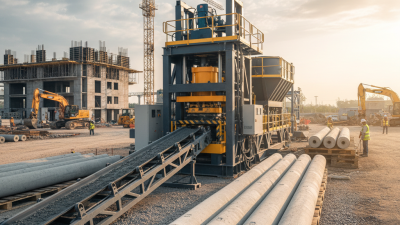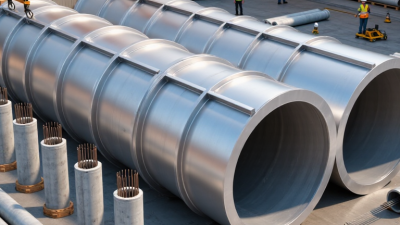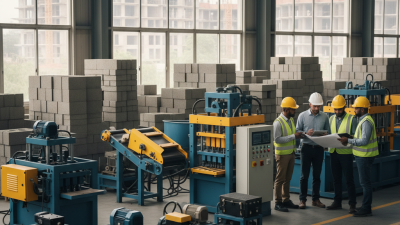
Choosing the best Cement Pile Making Machine starts with the piles you need to produce, not the machine’s headline capacity. Pile diameter, length, wall thickness, reinforcement layout, and required output all shape the decision. A machine suited to one product range may struggle with another. Small details matter.
Joseph M. Juran, a leading quality-management expert, wrote, “Quality does not happen by accident; it must be planned.” That principle applies on the production floor. Check how the machine controls mixing, forming, compaction, and curing. Ask for trial results using a pile design close to yours. Watch the process, listen for uneven vibration, and inspect finished piles for consistent dimensions and surface defects. A polished brochure is not proof.
This guide explains how to compare machine types, production capacity, mold options, automation, energy use, and after-sales support. It also considers spare-part availability and the skills your operators will need. These points can seem ordinary. They often decide whether a line runs smoothly or loses hours to adjustments. No machine is perfect, and even a careful comparison can miss a practical constraint. Measure your available floor space, power supply, and handling route before requesting final quotations. Then compare suppliers using the same production requirements, so promises are easier to test.
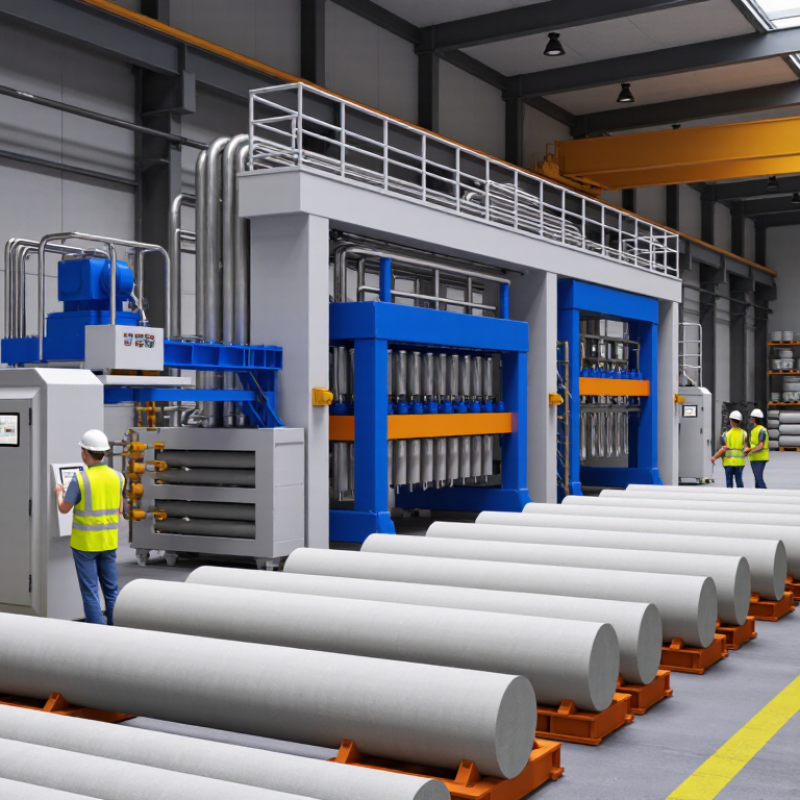
Define the required pile type before comparing machine capacity. A hollow spun pile, a solid pile, and a square pile may need different molds and forming methods. Confirm the design drawing, not just a product description. Record the pile’s outer diameter, wall thickness, and finished length. Small details matter. A few centimeters of length can affect mold selection, handling, and production planning.
The reinforcement layout is equally important. Specify the cage diameter, bar count, spacing, and spiral pitch. These dimensions help determine whether the machine can position and form the cage consistently. Check how the mold is loaded and secured, and whether the planned pile length suits the production line. For spun piles, ask how the equipment manages rotation and balance with the intended cage and concrete load. Do not assume that a machine rated for one pile size will handle every reinforcement arrangement. That assumption is easy to make—and costly to miss.
Tips: Share a dimensioned drawing with the equipment supplier. Ask for confirmation of compatible molds, cage placement, and length limits. Check the details twice. A clear specification can prevent avoidable mold changes and production delays.
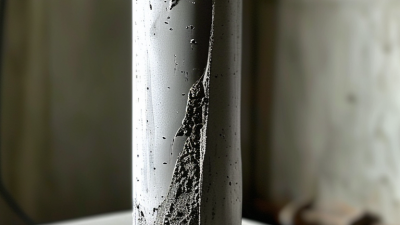
How to Choose the Best Cement Pile Making Machine?
Estimate Output: 60 ÷ Cycle Time in Minutes for One Pile per Cycle
Use the cycle-time formula for a quick production estimate: 60 ÷ minutes per pile = theoretical piles per hour. If one cycle takes four minutes, the machine could make 15 piles in an hour. This assumes one finished pile per cycle and uninterrupted operation. Check what your supplier includes in “cycle time,” such as feeding, forming, and demolding. Small differences matter.
Tips: Time several cycles with a stopwatch, not just the fastest one. Record delays for material loading, mold cleaning, and adjustments. Not a shift promise. A four-minute cycle does not guarantee 15 saleable piles each hour; operators, material consistency, and planned stops affect actual output. Keep the estimate theoretical until you have production data.
Compare machines using the same measurement method and pile specifications. A shorter cycle may look attractive, but only if the piles meet your required dimensions and finish. I would not trust one clean test run. Ask for repeated results, then compare them with a trial at your site. The numbers can still be imperfect, especially when mix consistency changes between batches. That uncertainty is worth noting before choosing a machine.
A pile-making machine must handle the mix your project requires, not just produce a fast cycle. ACI 318 exposure categories address conditions such as freezing, sulfates, moisture, and corrosion risks. Confirm the project’s adopted code edition and specifications with the responsible engineer; exposure limits can affect water-cementitious material ratio, air content, and binder selection. One category may not tell the whole story.
Before choosing equipment, test the intended mix with its actual aggregates and admixtures. Check whether the mixer can distribute materials evenly and whether the molding system can compact the concrete without segregation. For example, a stiff mix may need reliable vibration, while a more workable mix may call for careful control to prevent bleeding. Small details matter. A trial batch can reveal uneven color, trapped air, or slow filling around reinforcement before full production begins.
Ask suppliers for usable batch capacity, mixing time, and cleaning access, then compare those figures with trial results. A fast machine is not always the right machine. Operators may need to adjust water or admixture dosage as aggregate moisture changes, and that can affect exposure compliance. Keep batch records and arrange appropriate testing. The choice still involves judgment; laboratory results and project requirements should guide it, not a brochure’s cycle-time claim.
When choosing a cement pile making machine, check how consistently it produces testable concrete—not just how quickly it fills a mold. ASTM C31/C31M covers making and curing field test specimens; ASTM C511 specifies moist-curing facilities.
Small details matter. A dry corner or a thermometer near a warm motor can distort the curing conditions and weaken comparisons between batches.
Ask suppliers how their machine controls water addition, mixing time, and compaction, then verify the output with samples taken from routine production. Record batch proportions, fresh-concrete temperature, specimen location, and curing-room readings.
ASTM C39/C39M provides the compressive-strength test method, while ACI 308R explains how curing conditions affect strength development. Compare results at consistent test ages, commonly 7 and 28 days, and investigate unusual variation before changing the mix or machine settings.
This step is easy to rush. I would also check whether operators can clean and calibrate the system without disrupting production; a precise setting is less useful if it drifts unnoticed.
A neat test sheet does not guarantee a representative sample, either. Include a repeat batch when results look unexpectedly good.
Choosing a cement pile making machine means checking how it protects people during ordinary production, not just during a demonstration. Look for fixed guards around moving parts, clearly marked emergency stops, and safe access for clearing a jam. Good safety matters. Ask operators to inspect the controls and loading area; awkward reach can become a daily hazard.
Compare energy use against actual output, such as kilowatt-hours per finished pile, rather than relying only on motor ratings. A machine that runs efficiently at full capacity may waste power during frequent stops or small batches. Measure a real shift if possible. Also check whether motors, pumps, and curing systems can be shut down independently.
Maintenance affects both uptime and cost. Check whether grease points, filters, and wear parts are easy to reach, and ask how often routine service is needed. A blocked filter should not require half a day of dismantling. For lifecycle cost, include installation, molds, labor, spare parts, energy, and expected downtime over several years. A tidy spreadsheet can still miss the cost of delayed deliveries, so leave room for uncertainty in your estimate.
| Comparison factor | Centrifugal spun-pile line | Vibration-cast pile line | Continuous extrusion / slipformer |
|---|---|---|---|
| How it forms piles | A steel mold spins at controlled speeds, distributing concrete by centrifugal force. Commonly used for hollow, prestressed spun piles. | Vibrators compact concrete inside a pile mold. The process can suit solid or hollow products, depending on the mold and production setup. | A forming machine continuously compacts and shapes a stiff concrete mix around prestressing strands; suitable product shapes depend on the machine and tooling. |
| Safety considerations | Rotating molds create significant entanglement and ejection hazards. Use suitable guarding, interlocked access where appropriate, emergency stops, and lockout/tagout before clearing or servicing. | Manage vibration, noise, pinch points, and mold handling. Guard moving parts and use safe lifting procedures for molds and finished products. | Pay particular attention to moving feed and forming components, pinch points, and handling of prestressing strands. Strand tensioning and release require controlled procedures and exclusion zones. |
| Energy use | Spinning drives contribute to electricity use; batch size, pile dimensions, spin cycle, motor controls, and curing method affect total consumption. | Vibrators and any material-handling or curing equipment use electricity. Energy demand varies with vibration settings, production rate, and curing requirements. | Extrusion and feed drives use electricity; mix preparation, strand handling, and curing also contribute to energy use. |
| How to compare energy fairly | There is no universal energy figure that applies to every pile line. Compare metered kWh per accepted tonne or per equivalent pile length, using the same product dimensions, concrete mix, production rate, curing boundary, and operating shift. Request measured operating data, not only installed motor power. | ||
| Maintenance profile | Inspect drive components, bearings, alignment, mold condition, and safety systems. Rotating equipment requires attention to wear, vibration, and scheduled lubrication. | Inspect vibrator mounts and connections, fasteners, molds, and control components. Vibration can loosen connections and accelerate wear if maintenance is neglected. | Inspect feed and forming components, wear surfaces, drives, and strand-handling equipment. Wear depends on mix abrasiveness, output, cleaning practices, and service conditions. |
| Lifecycle cost drivers | Purchase and installation, molds, drive electricity, planned maintenance, mold and bearing replacement, curing, labor, downtime, and rejected piles. | Purchase and installation, molds, vibrator and electrical maintenance, curing, labor, mold changes, downtime, and product rejection. | Purchase and installation, forming tooling, wear-part replacement, electricity, strand handling, curing, labor, downtime, and rejected product. |
| Lifecycle cost calculation | Compare total cost over the same service period: initial equipment and installation + energy + labor + maintenance and parts + tooling and curing + cost of downtime and rejects − residual value. Use local energy and labor rates, expected utilization, and written maintenance estimates; equipment price alone is not a lifecycle-cost comparison. | ||
| Best fit to investigate | Consider when the required product is a hollow spun pile and the plant can support rotating-mold safety controls and the associated production flow. | Consider when the product range and mix are compatible with vibration compaction and the plant needs a mold-based production process. | Consider when the intended pile products, concrete consistency, production volume, and strand setup are compatible with continuous forming. |
| Questions for suppliers | Ask for a product-specific production demonstration, guarding and safety documentation, measured energy data, maintenance schedule, recommended spare-parts list, expected changeover time, and references for comparable pile dimensions and output. Confirm that the proposed line meets applicable local safety and product requirements. | ||
Note: This is a general process comparison, not a substitute for a site-specific engineering, safety, or cost assessment. Actual performance depends on product design, plant layout, operating practices, and local conditions.