Leave Your Message

How to Choose an RCC Pole Making Machine in 2026?

Choosing an RCC Pole Making Machine in 2026 is a production decision, not just a purchase. The World Bank and partner agencies reported in Tracking SDG 7: The Energy Progress Report 2024 that about 685 million people lacked electricity access in 2022. That figure signals continuing infrastructure needs, but it is not a forecast of RCC pole-machine sales. Buyers should assess local project demand, pole designs, and the output their plant can actually sell.

Start with the pole specification: length, load class, reinforcement layout, and concrete mix. Then examine mould changeover time, vibration consistency, curing arrangements, and daily production capacity. Ask for a live demonstration using a comparable mould. Watch the cage alignment, listen for uneven vibration, and inspect finished poles for visible honeycombing or dimensional variation. Small details matter. Request cycle-time records, maintenance schedules, spare-parts availability, and references from operating plants. A quoted maximum output means little without the shift pattern, curing method, and rejection rate behind it.

A trustworthy guide should also distinguish verified market evidence from sales claims. No source materials or verifiable public quotation from a named RCC pole-making-machine specialist were provided for this introduction, so attributing a direct quote would risk inventing one. That gap deserves attention. In the full guide, expert comments should be tied to named, checkable interviews or publications. The right Rcc Pole Making Machine is the one that meets your specifications reliably, fits your site and workforce, and delivers support after installation—not simply the one with the largest capacity figure.
How to Choose an RCC Pole Making Machine in 2026?

Define Your RCC Pole Production Requirements

How to Choose an RCC Pole Making Machine in 2026?
Define Your RCC Pole Production Requirements

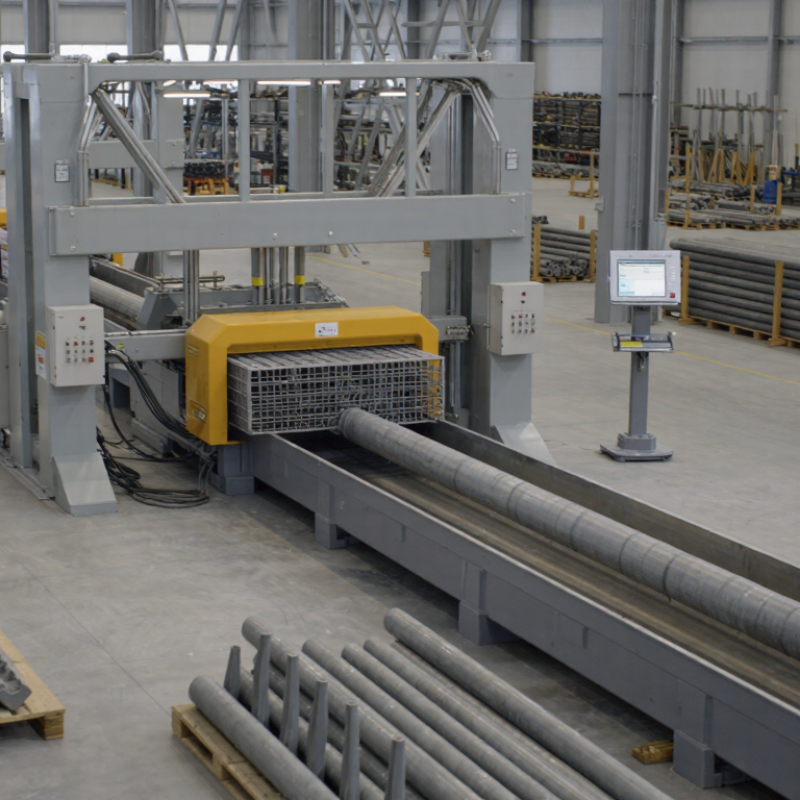
Start with the poles you actually plan to manufacture. Record their lengths, diameters, wall thicknesses, and reinforcement details. A machine suited to short utility poles may not handle longer, heavier designs efficiently. Be specific. These details guide mold selection, spinning capacity, and handling equipment.

Estimate daily output from confirmed orders, not an optimistic sales forecast. Include setup, mold changes, cleaning, and curing time in your calculation. A target of 40 poles per shift means little if the required molds are unavailable or concrete batching cannot keep pace. Consider the space needed for reinforcement cages, fresh poles, and curing areas. Check power supply, lifting capacity, and operator skills too.

Define how you will inspect each finished pole. Set practical checks for dimensions, surface condition, and structural performance in line with your project requirements. Ask suppliers for machine capacity data and arrange a production trial using your concrete mix and reinforcement design. Watch for vibration, handling difficulties, and inconsistent results. One detail is easily missed: actual output may fall below the rated figure. Leave room for maintenance and small delays; real production rarely runs perfectly.
How to Choose an RCC Pole Making Machine in 2026? — Define Your RCC Pole Production Requirements

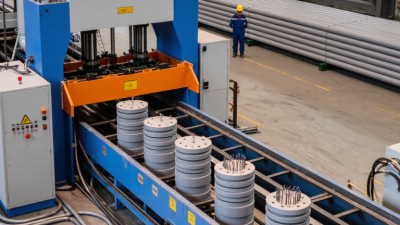
Estimate the monthly production volume required for each pole length before comparing machine capacity and mold configurations.

Example planning profile only—not an industry benchmark. Replace these illustrative quantities with your confirmed order forecast. Use the peak monthly demand by pole length to check that the machine and available molds can meet your production plan.

Compare Machine Types and Pole-Forming Methods

How to Choose an RCC Pole Making Machine in 2026?

Compare Machine Types and Pole-Forming Methods

When comparing RCC pole equipment, separate the machine layout from the forming method. A horizontal spinning line uses rotating steel molds to compact concrete through centrifugal force. It can produce consistent poles, but requires balanced molds, secure clamping, and careful speed control. Vertical vibration systems compact concrete around the reinforcement cage. They may suit different plant layouts, though results depend on the mix and vibration settings. Neither option wins everywhere.

Spun poles typically have dense, smooth walls and a hollow core, which reduces dead weight. Check mold length, diameter range, wall thickness, and changeover time against your production plan. Vibration-formed poles use another compaction approach, with close attention needed to prevent voids near the steel cage. Ask for trial data using your concrete mix, reinforcement, and target dimensions. A brochure figure alone tells little.

Tips: Inspect finished poles for straightness, surface defects, and dimensional variation across several runs. Record cycle time, labor, energy use, and curing-space needs. Small details matter. A machine may look efficient on paper, yet frequent mold changes can slow a shift.

Assess Capacity, Automation, and Technical Specifications

How to Choose an RCC Pole Making Machine in 2026?

Assess capacity against confirmed orders, not an ambitious sales forecast. Estimate poles per shift, curing time, mold changes, and routine maintenance. A machine’s stated output may assume ideal conditions. Ask how figures change with your pole dimensions and concrete mix. Leave room for downtime. It happens.

Compare automation by task. Does the system control vibration, feeding, and demolding, or only some steps? More automation can improve repeatability, but operators still need clear controls and practical training. Check technical specifications closely: compatible pole lengths and diameters, mold construction, vibration frequency, motor power, and hydraulic pressure. Confirm that the reinforcement cage fits the intended mold. Request a cycle demonstration using representative materials, and review safety features, spare-part availability, and service requirements. A detailed specification sheet helps, but it cannot replace a realistic production trial.

Tips: Measure your work area and check power supply before ordering. Record the time for each production stage. Compare actual trial results with quoted capacity. If one specification is unclear, ask for it in writing. Small gaps matter.

Review Product Quality, Safety, and Maintenance Features

When choosing an RCC pole making machine in 2026, inspect finished poles—not just the machine’s brochure. Check sample poles for straightness, consistent dimensions, smooth surfaces, and visible honeycombing or cracks. Ask how the supplier controls vibration, concrete compaction, and curing conditions. Request documented test results and traceability for critical components. A polished machine frame is not proof of consistent output.

Safety deserves equal scrutiny. Look for fixed guards around rotating equipment, clearly marked emergency stops, safe access to molds, and practical lockout points for servicing. The International Labour Organization’s 2019 report estimated 2.78 million deaths annually from work-related causes and 374 million non-fatal work injuries. Those figures cover all industries, not RCC plants, but they underline why safeguards should be checked in real operating conditions. Watch a complete production cycle, from loading reinforcement to demolding.

Maintenance can reveal hidden costs. Ask for a parts list, lubrication schedule, fault codes, and realistic service intervals. The U.S. Department of Energy’s Operations & Maintenance Best Practices Guide reports potential energy savings of 5–20% from improved operations and maintenance practices. The actual result depends on the facility. Check whether bearings, belts, and hydraulic connections are easy to inspect, and whether technicians can obtain replacement parts promptly. There is no perfect checklist. A small access panel can still make routine work awkward.

How to Choose an RCC Pole Making Machine in 2026? — Review Product Quality, Safety, and Maintenance Features
Evaluation Dimension What to Review Practical Evidence or Check Why It Matters
Pole specifications Confirm the machine supports the required pole type, length, diameter, wall thickness, and design drawings. Compare the machine’s stated working range with approved product drawings and the intended production mix. A machine suited to one pole size may not accommodate other molds, reinforcement cages, or product lengths.
Concrete compaction Review the vibration or compaction system, including its operating controls and suitability for the selected concrete mix. Run a trial using the proposed mix; inspect sample poles for visible honeycombing, voids, and uneven surfaces. Consistent compaction helps produce dense concrete and reduce surface defects. Results also depend on mix design and process control.
Dimensional consistency Check mold alignment, clamping, support, and repeatability between production cycles. Measure trial poles at the specified points and compare the readings with the project’s drawings and tolerances. Stable tooling and setup help keep pole geometry within the applicable product requirements.
Mold quality Review mold material, fabrication quality, joint fit, surface finish, and access for cleaning. Inspect welds, closures, alignment features, and the mold interior; ask how replacement parts are identified and supplied. Well-fitted molds support repeatable shape and make cleaning and routine repairs easier.
Reinforcement compatibility Verify that the production layout can accommodate the required reinforcement cage, inserts, and positioning method. Check a representative cage against the mold and product drawing before a production trial. Correct reinforcement placement and cover are important to structural performance and product compliance.
Production capacity Assess the complete production cycle, including loading, casting, curing, demolding, and mold turnaround. Request a documented cycle-time demonstration under stated operating conditions; distinguish machine time from curing time. A quoted machine rate alone may not represent finished poles per shift or the capacity of the full production line.
Electrical safety Review electrical enclosures, wiring protection, grounding, emergency stops, and access to energized components. Have a qualified person inspect the electrical documentation and installation against local regulations and site requirements. Proper electrical protection reduces exposure to shock, unexpected startup, and equipment damage.
Moving-part protection Check guards and safe access around rotating, lifting, clamping, and vibration equipment. Confirm guards are secure and that emergency-stop devices are reachable from normal operating positions. Safeguards help reduce the risk of entanglement, crushing, and contact with moving equipment.
Lifting and handling Review lifting points, rated loads, lifting accessories, and the method for moving molds and finished poles. Verify load ratings and lifting procedures; ensure the site’s crane or handling equipment is suitable for the loads. RCC poles and molds can be heavy; safe handling depends on rated equipment and trained operators.
Operator controls Assess control-panel labeling, operating instructions, alarms, and access to emergency shutdown. Ask operators to complete a supervised start-up and shutdown using the supplied instructions. Clear controls and training support consistent operation and help prevent avoidable operating errors.
Routine maintenance Review lubrication points, wear parts, inspection intervals, and access for cleaning and adjustment. Request a maintenance schedule and parts list; check whether routine service can be completed with standard tools. Planned maintenance can reduce unplanned downtime and help identify wear before it affects production.
Spare parts and service Confirm the availability of critical components, technical documentation, and service support for the intended operating location. Obtain part numbers, recommended stock levels, warranty terms, and a clear process for requesting technical assistance. Repair time can depend on parts availability and the ability to diagnose faults accurately.
Factory acceptance test Agree on a test plan covering machine functions, safety devices, and a representative production run. Record test conditions, inspection results, open issues, and corrective actions before shipment or handover. A documented acceptance process helps align expectations between the purchaser and supplier.
Standards and compliance Identify the product, machinery, electrical, and workplace-safety requirements applicable in the installation country. Review relevant certificates and technical documents with the project engineer or local compliance specialist. Requirements vary by jurisdiction and project; documentation should be checked against the actual application.

Evaluate Supplier Support, Compliance, and Lifetime Costs

When choosing an RCC pole making machine in 2026, look beyond its rated output. Ask how quickly the supplier can respond when a mould jams or a vibration motor fails. Request a sample maintenance schedule, spare-parts list, and realistic response times. Ask for evidence. A clear support plan matters more than a polished demonstration.

Check that the machine’s design and documentation match the standards and inspection requirements in your intended market. Confirm what records are supplied for electrical systems, guarding, testing, and operator training. Requirements vary, so have a qualified local reviewer verify the details before purchase. A certificate alone may not answer every practical question.

Compare lifetime costs, not just the initial quotation. Include installation, operator training, electricity, routine maintenance, mould replacement, and likely production downtime. Ask the supplier to explain each estimate and identify assumptions, such as daily operating hours. Small details add up. I would also request references from plants with similar pole sizes and output targets. Even then, projections can miss real-world delays; leave room in the budget for repairs and learning during commissioning. A machine that is cheaper to buy may cost more when support is slow or parts are difficult to obtain.