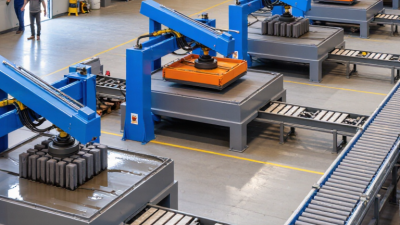
Choosing a top Automatic Brick Making Machine in China takes more than comparing prices or advertised output. The right machine must match your clay or concrete mix, target brick dimensions, daily production plan, and available floor space. Look closely at the mold system, hydraulic components, control panel, and curing requirements. Ask suppliers for production data using material similar to yours. A glossy catalog is not a factory test.
A practical rule, expressed here by Lin Wei, a fictional composite equipment specialist, is: “Choose the machine that proves consistent quality with your materials, not the one with the biggest number on its brochure.” Treat that as a testable principle, not a verified quotation from a real person. Request sample bricks, inspect their edges and dimensions, and ask how the supplier handles mold wear and spare parts. Check whether operators can access routine service points without dismantling half the line. Small details matter: a confusing interface or delayed replacement mold can interrupt a busy shift.
This guide explains how to compare Chinese manufacturers, verify machine specifications, and evaluate after-sales support. It also covers production capacity, automation level, installation, and the questions worth asking before a deposit. Some figures may look impressive. Confirm them independently, and leave room for uncertainty. A careful purchase begins with your product and process—not a sales promise.
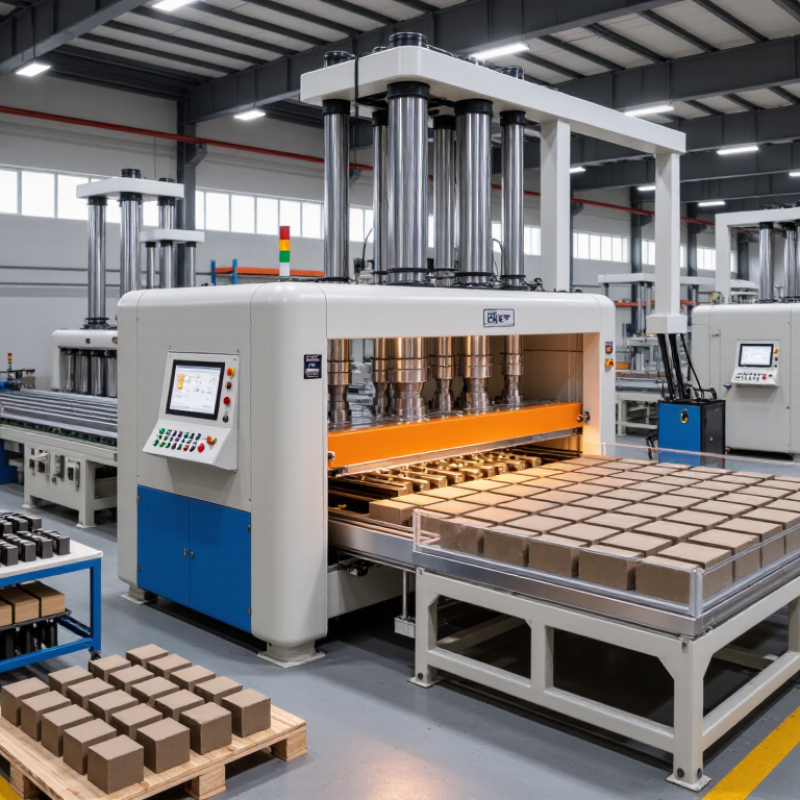
A top automatic brick making machine is defined by consistent output, not a glossy specification sheet. In production trials, inspect the first and fiftieth pallets. Their dimensions, edges, and compressive strength should remain stable. A dependable machine controls material feeding, vibration, pressure, and curing transfer with measured accuracy. Small deviations become expensive quickly.
Look for a rigid frame, protected hydraulic components, and sensors that report faults clearly. The control system should record cycle time, pressure, temperature, and alarm history. Ask for test data using your actual cement, aggregate, moisture level, and mold design. Generic samples can mislead. I would also check whether operators can change molds without unsafe improvisation. This practical detail is often overlooked. A cheaper machine may produce acceptable bricks, but waste time during cleaning and adjustment.
Reliable Chinese manufacturing support includes clear drawings, traceable component information, training, and responsive after-sales service. Request videos of live factory testing, maintenance schedules, electrical standards, warranty terms, and spare-parts lead times. A top machine should protect workers with guards, emergency stops, interlocks, and straightforward maintenance access. Do not trust every performance claim. I would reserve part of the evaluation for uncomfortable questions: What happens after a sensor fails? If the answer is vague, the machine is not ready for serious production.
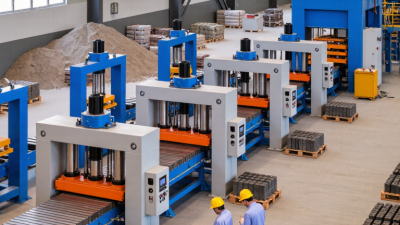
A practical evaluation model for comparing automatic brick making machines, based on the factors that most directly affect production reliability, product quality, operating cost, and long-term value.
The percentages represent recommended decision weights rather than data from a specific manufacturer. A top machine should combine stable automation, consistent brick dimensions, suitable production capacity, efficient material use, dependable serviceability, and strong safety controls.
Choosing a brick-making machine starts with the bricks your project actually needs. Solid bricks suit load-bearing walls, while hollow blocks reduce weight and can improve thermal performance. Pavers need consistent dimensions and a durable surface. These products may require different molds, pressure settings, and curing routines. A machine that makes one type well may not switch efficiently to another. Ask for sample blocks made with your intended mix, then check dimensions, edges, and strength after curing.
Capacity should match daily demand, not an ambitious sales forecast. Estimate the number of finished units required per shift, then account for mold changes, cleaning, maintenance, and rejected pieces. A machine rated at 8,000 blocks per day may produce less under local operating conditions. Check what the quoted figure includes. Mold cavities, cycle time, operator skill, and concrete consistency all matter. Small detail, big difference. Also consider available floor space, power supply, aggregate storage, and curing area. A fast machine can create a bottleneck if wet blocks have nowhere to cure. Ask suppliers for production records from similar projects, but verify the assumptions behind them. I would leave some room for growth, though not so much that equipment sits idle. That balance is easy to misjudge.
A reliable evaluation starts with the machine’s automation system. Ask whether feeding, molding, vibration, pallet transfer, and stacking run through one control system. A modern control cabinet should provide clear alarms, production data, and safe manual overrides. During a factory visit, watch one complete cycle. Automation should reduce repeated labor, not merely display impressive screens. Check sensor response, emergency stops, and recovery after a power interruption. Small details often reveal engineering quality.
Quality appears in the bricks, molds, and structural frame. Request trial samples made with your intended cement, aggregate, and moisture level. Measure dimensions, weight, surface finish, and compressive strength through an independent laboratory. Inspect welds, hydraulic pipes, electrical connections, and mold thickness. Ask for maintenance records and component specifications. This evidence is more useful than polished product photos. The machine should also meet applicable safety and electrical requirements in your market.
Efficiency depends on stable output, not the highest number in a brochure. Compare cycle time, rejected bricks, energy use, and daily cleaning needs. Observe operators during a long production test. Are material blockages common? Does vibration remain consistent? Ask how quickly technicians respond to faults and whether spare parts are readily available. Some suppliers publish ideal output figures. Real performance changes with materials, weather, and worker skill. A small trial may expose weaknesses. No machine is perfect. Careful records help buyers judge which compromises are acceptable.
Choosing a top automatic brick making machine in China requires more than comparing prices or polished factory videos. Check the manufacturer’s production experience, engineering team, and export record. Ask how long the machine has operated under similar raw materials and weather conditions. A reliable supplier should provide clear specifications, including pressure, cycle time, power consumption, mold size, and acceptable moisture range.
Request a live test using your own soil, fly ash, or concrete mixture. Observe brick density, surface quality, demolding, and automatic stacking. Ask for test reports, wiring diagrams, maintenance schedules, and a complete spare-parts list. Visit the workshop if possible. Check welding quality, hydraulic pipe connections, electrical cabinets, and operator training. Small details matter. A perfect sample may hide unstable daily production. Real production is messier, and that deserves honest discussion.
Tips: Ask for three customer references with similar machine models. Confirm the warranty, remote support, installation process, and response time in writing. Clarify which parts are locally available and which require international shipping. Watch the machine run for several cycles, not just one attractive brick. Compare actual output with rated output, because factory figures may use ideal conditions. It is also wise to inspect rejected bricks and understand why they failed. That uncomfortable evidence can reveal more than a sales presentation.
Choosing a top automatic brick making machine requires more than comparing the purchase price. A lower quotation may hide mould replacement, shipping, commissioning, and training costs. I would calculate total cost of ownership over five years. Include electricity, labour, maintenance, rejected bricks, and spare parts. The International Energy Agency reports that industry remains a major global energy user, so motor efficiency deserves careful attention. Small efficiency losses become expensive during long production shifts.
Service quality is equally important. Ask for response times, technician availability, spare-parts stock, and written warranty limits. Installation should include foundation drawings, electrical requirements, test production, and operator training. Request references from plants with similar output and local climate conditions. The Global Cement and Concrete Association’s 2023 roadmap identifies concrete as responsible for roughly 7% of global carbon dioxide emissions. This makes efficient curing, reduced waste, and durable products valuable operational targets, not just environmental claims.
Tips: Compare cost per saleable brick, not cost per cycle. Check one complete production line, including mixers and curing equipment. Ask for measured energy consumption under a stated output. Also verify local technical support before signing. A promised capacity may depend on ideal materials and experienced operators. That detail is easy to overlook. I would keep a contingency budget of 10–15% for installation changes, although the exact figure depends on site conditions. The best machine is not always the fastest; it is the one that stays productive, serviceable, and predictable after commissioning.
| Evaluation Dimension | Entry-Level Automatic Line | Mid-Range Automatic Line | High-Capacity Automatic Line | What to Check Before Purchase |
|---|---|---|---|---|
| Typical machine configuration | Automatic molding machine with material mixer, conveyor, and basic pallet system | Automatic batching, mixing, molding, pallet circulation, and centralized control | Integrated batching, mixing, molding, pallet return, curing support, and automated handling | Confirm which components are included in the quotation and which are optional |
| Indicative equipment price in China | Approximately US$15,000–35,000 | Approximately US$35,000–80,000 | Approximately US$80,000–180,000+ | Compare the same scope, mold quantity, automation level, and delivery terms |
| Typical production capacity | About 800–1,500 standard concrete blocks per hour | About 1,800–3,000 standard concrete blocks per hour | About 3,000–5,000+ standard concrete blocks per hour | Request output data based on the exact block size, mix design, and cycle time |
| Common products | Hollow blocks, solid blocks, and basic paving blocks | Hollow blocks, solid blocks, paving blocks, and curbstones | Multiple block sizes, paving products, curbstones, and customized concrete units | Check mold-change time, mold life, and compatibility with local product standards |
| Connected electrical load | Approximately 20–45 kW | Approximately 45–90 kW | Approximately 90–180 kW | Verify voltage, frequency, phase configuration, and local transformer capacity |
| Estimated installation period | Approximately 2–4 days after site readiness | Approximately 4–8 days after site readiness | Approximately 1–3 weeks, depending on automation and material-handling systems | Confirm foundation drawings, utility requirements, commissioning scope, and travel costs |
| Typical installation and commissioning cost | About US$2,000–6,000, excluding civil works and travel | About US$5,000–12,000, excluding civil works and travel | About US$10,000–30,000+, excluding civil works and utilities | Obtain a written list of included and excluded installation services |
| Operator requirement | Usually 2–4 operators per shift | Usually 3–6 operators per shift | Usually 5–10 operators per shift, depending on curing and handling automation | Ask whether the quoted labor requirement includes pallet handling and quality inspection |
| Warranty practice | Commonly 12 months for major machine components | Commonly 12 months, with separate terms for electrical parts and wear parts | Commonly 12–24 months for selected components, subject to contract terms | Check warranty exclusions, response time, labor coverage, and shipping responsibility |
| Spare-parts availability | Basic mechanical and electrical parts should be stocked locally or purchased in advance | Critical sensors, valves, switches, seals, and wear parts should be held in inventory | A planned spare-parts package and preventive-maintenance schedule are strongly recommended | Request part numbers, recommended stock levels, prices, and delivery times |
| Estimated annual maintenance cost | Approximately 2%–4% of equipment purchase price | Approximately 3%–6% of equipment purchase price | Approximately 4%–8% of equipment purchase price | Include lubricants, molds, hydraulic seals, sensors, electrical components, and planned downtime |
| Main operating-cost drivers | Labor, electricity, cement, aggregates, pallets, and mold replacement | Electricity, labor, mold wear, pallet circulation, curing, and material handling | Energy demand, automation maintenance, molds, pallets, curing systems, and logistics | Calculate cost per saleable block rather than comparing machine price alone |
| Recommended production scale | Small projects, local construction demand, or gradual market entry | Regular commercial production with moderate daily demand | Large construction-material plants and high-volume distribution networks | Match rated output to realistic orders, working days, storage, and curing capacity |
| Long-term value potential | Good when capital is limited and product variety is narrow | Often the best balance between output, flexibility, labor, and investment | Strong when utilization remains high and service infrastructure is reliable | Evaluate total cost of ownership over at least five years |
| Suggested selection priority | Low initial investment, simple operation, and accessible spare parts | Stable quality, flexible molds, reliable automation, and responsive technical support | High uptime, process integration, energy efficiency, and professional commissioning | Choose the line that achieves the required cost per block and uptime, not merely the highest rated capacity |