Choosing a Cement Pile Making Machine is a production decision, not just a capacity purchase. Buyers must compare pile types, forming methods, output rates, and the space available on the factory floor. A centrifugal machine may suit spun piles, while a static or extrusion system may fit other product designs. The right choice depends on the pile specifications and the production process—not a headline speed alone.
A practical selection principle, expressed here as an illustrative expert perspective rather than a verified quotation, is: “Match the machine to the pile design, then verify the output under real production conditions.” This guide does not attribute that line to a real person. Buyers should request confirmed specifications, operating references, and details about mould changes, maintenance access, and operator training. Small details matter. A narrow aisle beside a mould can slow handling. A mismatch between machine capacity and curing space can limit daily output.
The 2026 market includes several machine types, each with distinct strengths and trade-offs. This overview will help buyers compare them using practical criteria: pile dimensions, production volume, automation, setup requirements, and long-term service support. Treat quoted performance as a starting point. Ask how it was measured. Then compare it with your planned materials, crew, and plant layout. A careful evaluation takes time, but it can prevent an expensive mismatch.
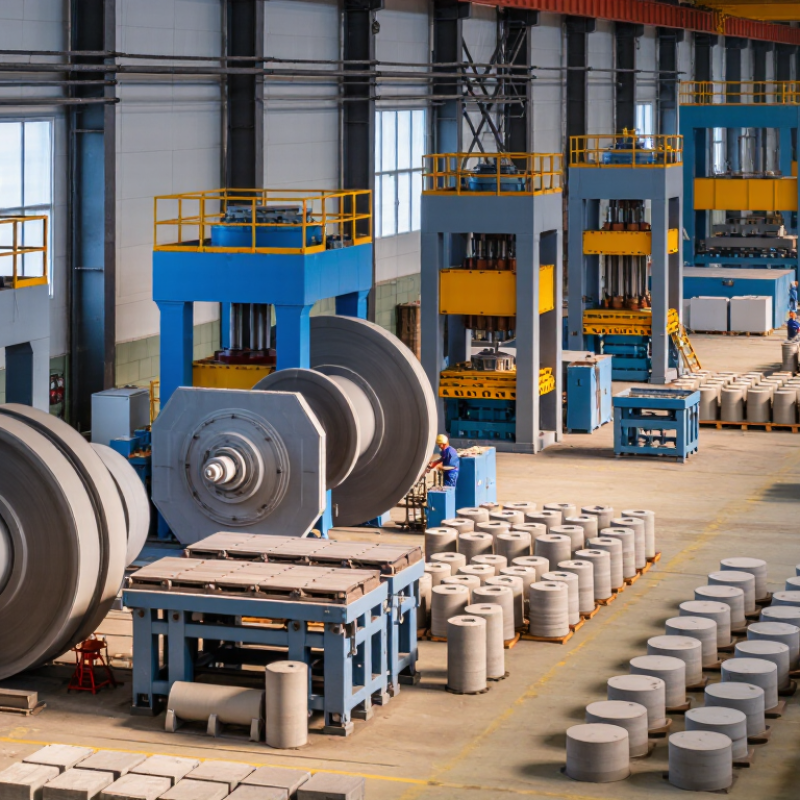
A cement pile making machine forms reinforced concrete into long structural piles for foundations. The machine works with a prepared concrete mix, steel reinforcement, and a mold sized for the required pile. For hollow piles, a centrifugal system spins the closed mold. The rotation presses concrete against the mold wall and helps compact it around the reinforcement cage. Solid piles may use vibration or other compaction methods instead. The method depends on the pile design.
A typical production cycle begins with placing the reinforcement cage inside the mold. Workers then add the mix, secure the mold, and start the forming process. Speed and run time matter. Too little compaction can leave weak spots; poor mix consistency can make results uneven. After forming, piles need controlled curing before removal and handling. On the factory floor, small details count: a loose clamp, misplaced cage, or residue on the mold can affect the finished surface. The process is less forgiving than it may seem. Machine settings alone cannot guarantee quality; material checks and careful inspection still matter. And curing takes patience.
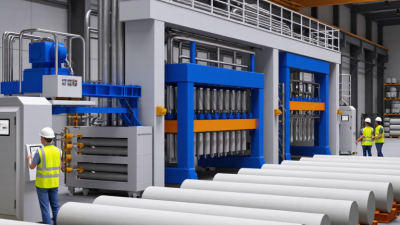
Cement pile making machines generally fall into three groups: centrifugal, extrusion, and precast molding systems. Each suits a different production rhythm and pile design.
Centrifugal machines spin a concrete-filled steel mold at controlled speed. The rotation distributes concrete around the reinforcement cage and forms a hollow pile. Operators need to monitor concrete consistency, spinning stages, and curing conditions.
A smooth surface helps, but it does not prove uniform wall thickness. Check dimensions and concrete quality.
Extrusion machines compact concrete through a forming system, producing piles continuously or in repeated lengths, depending on the setup.
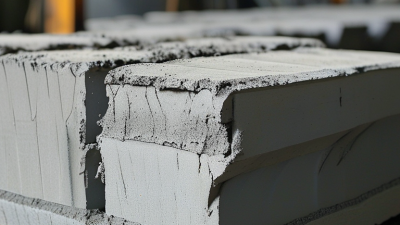
They can support steady output when mix consistency and feed rate remain stable. Watch the cut ends: poor compaction or uneven feeding may leave visible defects.
Not always. A faster line may still need more careful adjustment than buyers expect.
Precast molding machines use fixed or adjustable molds, with concrete placed and compacted inside each form.
This approach can suit varied pile sizes or lower production volumes, though changing molds takes time. Mold cleanliness, release-agent coverage, and reinforcement positioning affect the finished product.
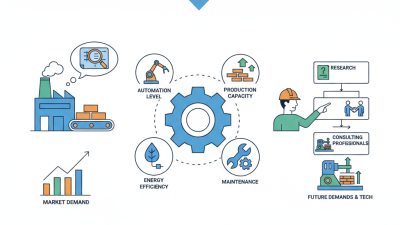
Buyers should compare the required pile shape, daily output, labor skills, floor space, and maintenance access.
One detail is easy to overlook: curing capacity must match the machine’s pace, or finished piles can become a bottleneck.
Cement pile machines should be selected around the pile’s cross-section, dimensions, and reinforcement—not just hourly output. For hollow circular piles, centrifugal spinning equipment compacts concrete against a rotating mold, creating a smooth bore and dense outer wall. Square or rectangular piles usually call for fixed molds and vibration systems. They suit projects needing flat faces or specific handling details. Fit matters. A larger pile may require a longer casting bed, stronger mold supports, and more lifting capacity; check all three before ordering.
Reinforcement changes the production line, too. Prestressed piles need tensioning beds and reliable anchorage, while conventionally reinforced piles require accurate cage placement and enough cover. FHWA’s 2016 Design and Construction of Driven Pile Foundations discusses pile section and material as key design considerations, so machine settings should match approved drawings rather than a generic recipe. USGS estimated global cement production at about 4.2 billion metric tons in 2024, a reminder of the scale of concrete demand, not a forecast of pile-machine sales. Ask suppliers for trial-cast results, dimensional tolerances, and records of concrete strength at release. A neat mold brochure is not proof. Some buyers overlook curing space; that can quietly become the production bottleneck.
2026 Top Cement Pile Making Machine Types for Buyers
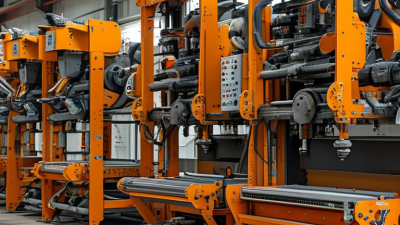
A cement pile line depends on coordinated equipment, not one machine. A batching system meters cement, aggregates, water, and admixtures. A cage-forming unit welds or ties reinforcement into a firm cylinder. For prestressed piles, hydraulic jacks tension steel strands before concrete placement. Molds hold the shape; centrifugal machines compact concrete by spinning the mold at controlled speeds. Small setup errors matter.
Production usually moves from batching to cage installation, strand tensioning, concrete filling, spinning, curing, demolding, and inspection. Operators check dimensions, surface defects, and test specimens before piles leave the yard. Curing conditions deserve close attention: uneven heat can affect strength and create cracks. The International Energy Agency estimates cement production causes about 7% of global CO2 emissions in its Cement tracking report, making accurate batching and reduced rejects worthwhile. Still, a fast line is not automatically a consistent one; maintenance and operator judgment can be uneven.
Tips: Inspect mold wear and strand tension before each shift. Record curing temperature, not just curing time. Keep trial batches; one result rarely tells the whole story. A production line may look efficient on paper, yet reject rates often reveal the real weakness.
| Production Step | Machine or Equipment Type | Key Components | Main Function | Buyer Considerations |
|---|---|---|---|---|
| 1. Material preparation | Aggregate batching system | Aggregate bins, weighing hoppers, gates, conveyors, control system | Stores and meters sand and coarse aggregate for the specified concrete mix. | Check bin capacity, weighing accuracy, aggregate moisture handling, and compatibility with the required production rate. |
| 2. Cement and water dosing | Cement and water batching equipment | Cement silo, screw conveyor, cement scale, water tank, water meter or scale | Measures cement and mixing water before they enter the mixer. Admixture dosing equipment may be added when required by the mix design. | Confirm dust control, silo capacity, dosing accuracy, and whether admixtures need separate metering. |
| 3. Concrete mixing | Concrete mixer | Mixing drum or pan, mixing blades, drive, discharge gate, control panel | Produces a uniform concrete mixture suitable for the selected pile design and forming process. | Choose capacity and mixer type based on batch size, concrete consistency, and the planned production cycle. |
| 4. Reinforcement preparation | Reinforcement cage welding machine | Rotating cage supports, longitudinal bar holders, wire or hoop feeding unit, welding heads, drive system | Assembles the reinforcement cage to the specified length, diameter, and reinforcement layout. | Verify the machine can accommodate the required cage dimensions and reinforcement arrangement; setup depends on the pile design. |
| 5. Prestressing | Prestressing strand tensioning system | Hydraulic jack, pump, pressure gauge or load indicator, anchorage, end plates | Applies and holds the specified prestressing force before concrete placement in prestressed pile production. | Capacity and measurement method must match the approved production design and applicable quality procedures. |
| 6. Mold preparation and assembly | Steel pile mold | Half-shells, end rings, joint bolts or clamps, end plates, locating features | Defines the pile’s shape and dimensions and contains the reinforcement and concrete during forming. | Check pile diameter, length, wall thickness, joint condition, alignment, and compatibility with the spinning equipment. |
| 7. Concrete placement and forming | Concrete distribution or mold-charging equipment | Hopper or bucket, discharge gate, transfer trolley or crane, positioning guides | Places measured concrete into the assembled mold before compaction or centrifugal forming. | Plan the transfer method and charging sequence to reduce delays and help achieve consistent concrete distribution. |
| 8. Centrifugal forming | Centrifugal spinning machine | Rollers or drive wheels, motor and transmission, speed control, mold supports, safety guards | Rotates the mold to compact concrete and form hollow spun piles. Spinning schedules depend on the product and process design. | Match the machine to mold size, mold mass, operating speed range, production layout, and required safety provisions. |
| 9. Concrete curing | Curing chamber or controlled curing area | Insulated enclosure or curing space, heat or steam supply where used, temperature sensors, controls | Provides controlled curing conditions. Steam curing is used in some production lines; curing method and cycle vary by concrete mix and product requirements. | Assess temperature control, chamber capacity, energy use, monitoring, and the curing procedure required by the production specification. |
| 10. Demolding and handling | Mold opening equipment and lifting system | Bolts or clamps tools, lifting beam, crane or hoist, approved pile lifting points | Opens the mold and transfers the cured pile to a handling or storage area using the specified lifting procedure. | Confirm lifting capacity, safe handling arrangements, mold-opening access, and protection against damage during transfer. |
| 11. Inspection and dispatch preparation | Inspection and testing equipment | Dimensional tools, visual inspection checklist, marking tools, test equipment specified for the project | Supports checks of pile dimensions, appearance, identification, and other acceptance requirements defined by the applicable specification. | Set inspection criteria and records according to the relevant project documents and standards; testing requirements vary by product and market. |
2026 Top Cement Pile Making Machine Types for Buyers
How Buyers Can Compare Capacity, Automation, and Operating Costs
Compare machines by saleable piles per shift, not headline cycle speed. Ask suppliers to run your pile dimensions, reinforcement layout, and concrete mix during a witnessed trial. Record changeover time, rejected units, and the labor needed for feeding, demolding, and stacking. A fast press can still be a bottleneck. Small detail. Big effect.
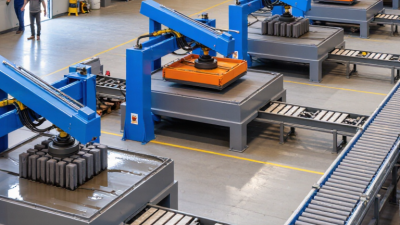
Automation should match your production mix. A fixed, high-volume line may benefit from automated feeding and handling, while varied orders can make quick mold changes more valuable. Request downtime and maintenance records, plus a clear list of included sensors and controls. The International Energy Agency’s 2023 cement-sector analysis estimates production at about 4.1 billion tonnes in 2022 and attributes roughly 7% of global CO2 emissions to cement. That figure is not a machine-efficiency estimate, but it makes energy use worth measuring. Ask for actual energy consumption per finished pile, not a general claim.
Build operating costs around your own shift plan: electricity, labor, molds, wear parts, maintenance, and scrap. Compare those costs over the same annual output and service period for every machine. Check whether quoted capacity assumes uninterrupted operation or excludes curing and material handling. It often does. A spreadsheet can still miss the awkward costs, such as a mold sitting idle during changeover. Use trial data and local utility rates, then revisit the calculation after real production begins.
Compare indicative production capacity, automation, and operating-cost considerations across common pile-making setups.
Planning estimate: The bars show illustrative midpoints for an eight-hour shift. Actual output varies with pile dimensions, mold count, curing capacity, changeovers, and plant layout; these figures are not guaranteed production rates.
| Production setup | Illustrative output range | Automation | Operating-cost considerations |
|---|---|---|---|
| Manual mold and vibration setup | 20–40 piles per shift | Low; more manual handling and process control | Lower equipment investment; typically higher labor per pile |
| Semi-automatic centrifugal line | 60–100 piles per shift | Medium; mechanized spinning with operator-led handling | Moderate labor needs; energy and mold maintenance affect costs |
| Integrated automated centrifugal line | 100–160 piles per shift | High; coordinated material handling and process controls | Higher investment and maintenance; potential for lower labor per pile at sustained utilization |
For a fair comparison, use the same pile size, shift length, staffing assumptions, and curing workflow. Evaluate total cost per accepted pile, including labor, energy, molds, maintenance, and downtime.