7 Tips for Choosing a Clay Bricks Machine
Choosing a Clay Bricks Machine is a production decision, not merely a price comparison. The Global Status Report for Buildings and Construction 2024/25 estimates that buildings and construction accounted for 32% of global energy use and 34% of energy-related carbon dioxide emissions in 2023. These figures describe the wider sector, not brick machines alone. Still, they make energy use, output consistency, and material waste practical questions for any buyer.
The right machine depends on the clay, the target brick dimensions, and the daily production plan. A brochure may promise impressive output, but it cannot show how local clay behaves after mixing or drying. The details matter. Manufacturing-quality expert W. Edwards Deming is widely credited with the reminder, “If you can’t describe what you are doing as a process, you don’t know what you’re doing.” For a brick plant, that means examining each step: feeding, forming, cutting, drying, and firing. Some choices will remain uncertain until the machine is tested with your own material. That is worth admitting. This guide introduces seven tips for comparing capacity, automation, energy needs, maintenance, spare parts, supplier support, and total operating cost. Look for measurable answers, such as hourly output under stated conditions and the time required to replace a worn component. A lower purchase price can be attractive, but downtime and inconsistent dimensions may quietly erase the savings. The aim is not to find a perfect machine; it is to choose one that fits the plant’s real constraints.
Understand the Types of Clay Brick Machines
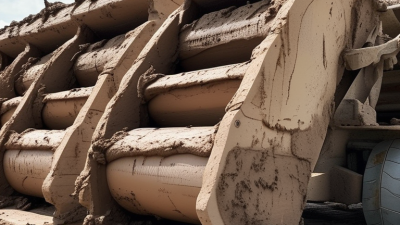
Clay brick machines are grouped by automation and by how they shape the clay. Manual and semi-automatic units suit smaller batches, where operators feed molds and move green bricks by hand. Fully automatic lines coordinate feeding, forming, cutting, and handling. More automation can raise output, but only when material supply and maintenance keep pace. Small details matter.
Forming method is another key distinction. Stiff-mud extruders push prepared clay through a die, producing a continuous column that wires cut into bricks. Presses compact clay in molds, while soft-mud machines form wetter clay in sanded molds. These categories can overlap: a line may use an extruder and still automate downstream handling. Don’t compare machines by hourly capacity alone. Check clay moisture range, mold changes, power needs, and the space required for drying and firing. A quoted capacity may assume ideal clay and uninterrupted operation; real production can be less tidy.
The GlobalABC 2024 Global Status Report for Buildings and Construction estimates that buildings and construction used 32% of global energy and produced 34% of energy- and process-related CO2 emissions in 2023. These figures describe the sector, not individual brick machines, so they cannot prove one machine is cleaner. They do make energy use worth checking. Ask suppliers for measured power consumption per thousand saleable bricks, not just motor ratings. Then test your own clay. A machine that performs well on a brochure sample may behave differently with your local mix.
Define Your Brick Specifications and Production Goals
Before comparing clay brick machines, define the product you need to make. Record the brick’s length, width, height, and acceptable dimensional variation. Specify whether you plan to produce solid, perforated, or hollow units. These designs can require different molds and forming pressures. Small details matter.
Describe the clay mix, too. Note its moisture range, particle size, and any additives, since material consistency affects forming and surface quality. If possible, test representative samples before choosing equipment. A machine that performs well with one clay may struggle with another. Keep the test results, including cracked edges, uneven faces, and rejected bricks.
Set a realistic production target in finished bricks per hour or per shift. Include time for mold changes, cleaning, and routine maintenance, not just the machine’s rated output. Then map the full process: forming, drying, and firing capacity must work together. A fast press cannot compensate for a slow dryer. That estimate may change. It often does. Review your figures with an experienced process engineer, and leave room for seasonal changes in clay moisture or demand. The initial plan may be imperfect; measured trials will make it more useful.
Match Machine Capacity to Your Clay and Workflow
7 Tips for Choosing a Clay Bricks Machine
Match the machine to the clay you actually process, not an ideal sample. Clay is rarely uniform. The U.S. EPA’s AP-42 section on brick manufacturing describes green-brick moisture levels of about 10–30%, reduced to roughly 0–2% before firing. That change affects drying time, handling strength, and the pace your production line can sustain. Ask for a capacity estimate using your clay’s tested moisture and the brick dimensions you plan to make.
Tip: Compare usable daily output, not just the machine’s advertised hourly rate. Include mixing, mould changes, drying space, planned cleaning, and rejected bricks in your calculation. Allow for rejects. A press that outpaces your dryer can leave fresh bricks waiting, where they may crack or deform. One weak link sets the rhythm.
Before choosing, test more than one clay batch if possible. Record feed moisture, cycle time, and the number of acceptable bricks produced. I would not size a line from one unusually smooth production run; that is an easy mistake. Keep some room for seasonal changes, but avoid buying far more capacity than your workflow can feed. Small trials can reveal awkward steps that a specification sheet misses.
Compare Build Quality, Energy Use, and Automation
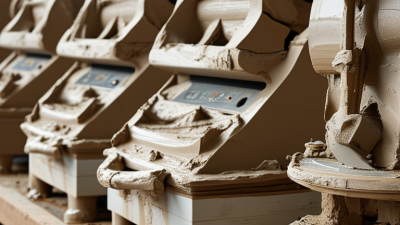
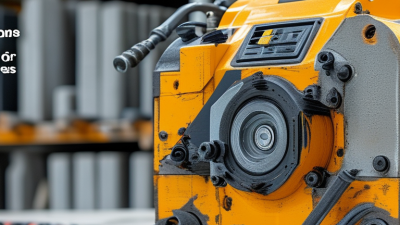
A clay bricks machine should handle daily production without loose guards, uneven vibration, or frequent adjustments. Check the frame welds, bearing housings, and access panels in person when possible. Ask how wear parts are replaced and how often they need inspection. A machine that looks solid in a brochure may feel different on a dusty factory floor. Small details matter. Compare energy use under similar production conditions, not just the motor’s rated power. Review expected power consumption alongside output per hour, since an efficient motor cannot compensate for long stoppages.
Tip 1: Request a production trial using clay similar to yours. Watch for inconsistent brick dimensions, excess scrap, and material buildup around the mold.
Tip 2: Check the automation carefully. Useful controls can regulate feeding, pressing, and cycle timing, but operators still need clear alarms and accessible manual adjustments. Ask what happens after a sensor fault or power interruption. More automation is not always better.
Tip 3: Compare maintenance access before choosing. Can a technician reach lubrication points without dismantling major sections? Are wiring diagrams and operating instructions included? I would not rely only on the supplier’s projected output; actual results depend on clay moisture, preparation, and operator skill. Leave room for a learning period. A careful site visit may reveal a small inconvenience that a specification sheet misses.
Evaluate Maintenance Needs, Safety, and Supplier Support
Before comparing output rates, ask how routine maintenance fits into a normal shift. Inspect the service schedule for lubrication points, belt checks, die changes, and cleaning access. Can one technician reach the mixer bearings without removing a guard? Small access problems can cost hours. Ask to see the actual maintenance checklist, not just a promised service interval.
During a machine trial, watch how operators clear residue and isolate power before servicing equipment. Guards, emergency stops, and clear shutdown instructions matter more than polished paint. Ask who trains new operators and how often safety procedures are reviewed. A tidy demonstration is useful, but it may not show the mess and wear of a busy production day.
Support must be specific. Ask which wear parts are kept nearby, how quickly technicians respond, and what remote troubleshooting includes. Request sample manuals and a clear parts list before buying. Written response times and a named service contact provide better evidence than broad assurances. Even then, delays happen. Keep a modest stock of critical parts and confirm that your team can perform basic checks safely.
7 Tips for Choosing a Clay Bricks Machine
Evaluate maintenance needs, safety, and supplier support before comparing equipment.
Illustrative buyer-priority ratings (1 = lower priority, 5 = higher priority), not measured industry data. Adjust the ratings to reflect your production plan, site conditions, and budget.